PM Narendra Modi's Morphed Images Circulated: Why Was Meta India Head Booked? Crime & Punishment Explained
PM Narendra Modi's Morphed Images Circulated: Why Was Meta India Head Booked? Crime & Punishment Explained Published By, Last Updated: July 31, 2026, 16:31 IST
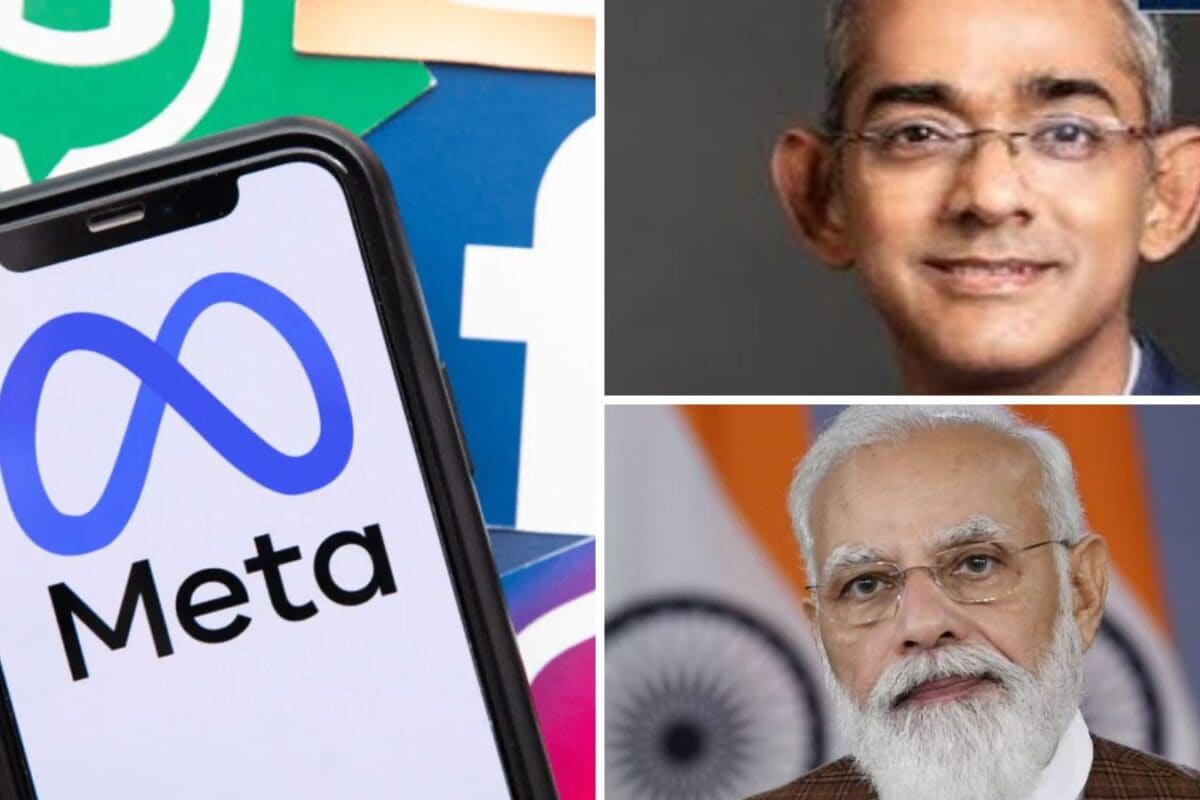
PM Narendra Modi's Morphed Images Circulated: Why Was Meta India Head Booked? Crime & Punishment Explained Published By, Last Updated: July 31, 2026, 16:31 IST Online circulation of offensive, digitally manipulated, and AI-generated media targeting Prime Minister Narendra Modi during CJP stir: Why was Meta India head booked? Rapid Read The police invoked strict provisions under both new criminal and electronic laws. (File) The Hyderabad Cyber Crime Police have registered two FIRs against Meta India Head Arun Srinivas along with the operators of multiple Facebook and Instagram accounts. This legal action follows the widespread online circulation of highly offensive, digitally manipulated, and AI-generated media targeting Prime Minister Narendra Modi. Decoding what’s “objectionable" under the Indian law. THE COMPLAINTS The legal actions were triggered by complaints from S. Aravind Reddy, a local businessman, and T. Saikiran Goud, a Telangana BJP activist. They reported discovering highly morphed, obscene, and derogatory videos of the Prime Minister while browsing social media. They flagged at least 20 specific URLs containing Facebook and Instagram reels. The content allegedly included Highly objectionable AI-altered visuals, including depictions of the Prime Minister in obscene and deeply misleading contexts alongside global and political figures. Abusive and profane language in the accompanying posts and comment sections. Political timing, as these posts were actively pushed and amplified during youth protests led by the Cockroach Janta Party (CJP) concerning competitive exam and NEET paper leak agitations.
WHAT ARE THE CHARGES? The police invoked strict provisions under both new criminal and electronic laws IT Act (Sections 66C & 67): Penalises identity theft and the publication of obscene material in electronic form. Bharatiya Nyaya Sanhita (BNS Sections 353(2) & 336(4)): Targets statements conducing to public mischief, forgery, spreading misinformation, and threatening public order or national integrity. WHAT IS THE PUNISHMENT? The legal sections applied in these FIRs carry distinct criminal penalties under Indian law, ranging from monetary fines to mandatory prison sentences. Penalties Under the Information Technology (IT) Act Section 66C (Identity Theft): Imprisonment: Up to 3 years; Fine: Up to ₹1 Lakh (100,000 INR); Nature: Cognizable (police can arrest without a warrant) and bailable. Section 67 (Publishing Obscene Material): First Conviction: Up to 3 years imprisonment and a fine up to ₹5 Lakhs. Subsequent Conviction: Up to 5 years imprisonment and a fine up to ₹10 Lakhs. Nature: Cognizable and non-bailable. Penalties Under the Bharatiya Nyaya Sanhita (BNS) Section 353(2) (Spreading False Information/Public Mischief): Imprisonment: Up to 3 years, a fine, or both. Covers destroying public tranquility using electronic media or printed text. Section 336(4) (Forgery for Harming Reputation): Imprisonment: Up to 3 years, a fine, or both. Covers creating false electronic records to damage an individual’s reputation. If convicted on multiple counts, a judge determines whether sentences run concurrently (at the same time) or consecutively (one after another).
 The BriefWire