A Swedish doctor spent 80 minutes trapped beneath river ice. Months later, she returned to work after one of medicine's most extraordinary recoveries
Image(s): Left/Nine/Right/Canva A skiing accident left Anna Bågenholm trapped beneath thick river ice Her heart stopped, but the freezing water also protected her brain Doctors
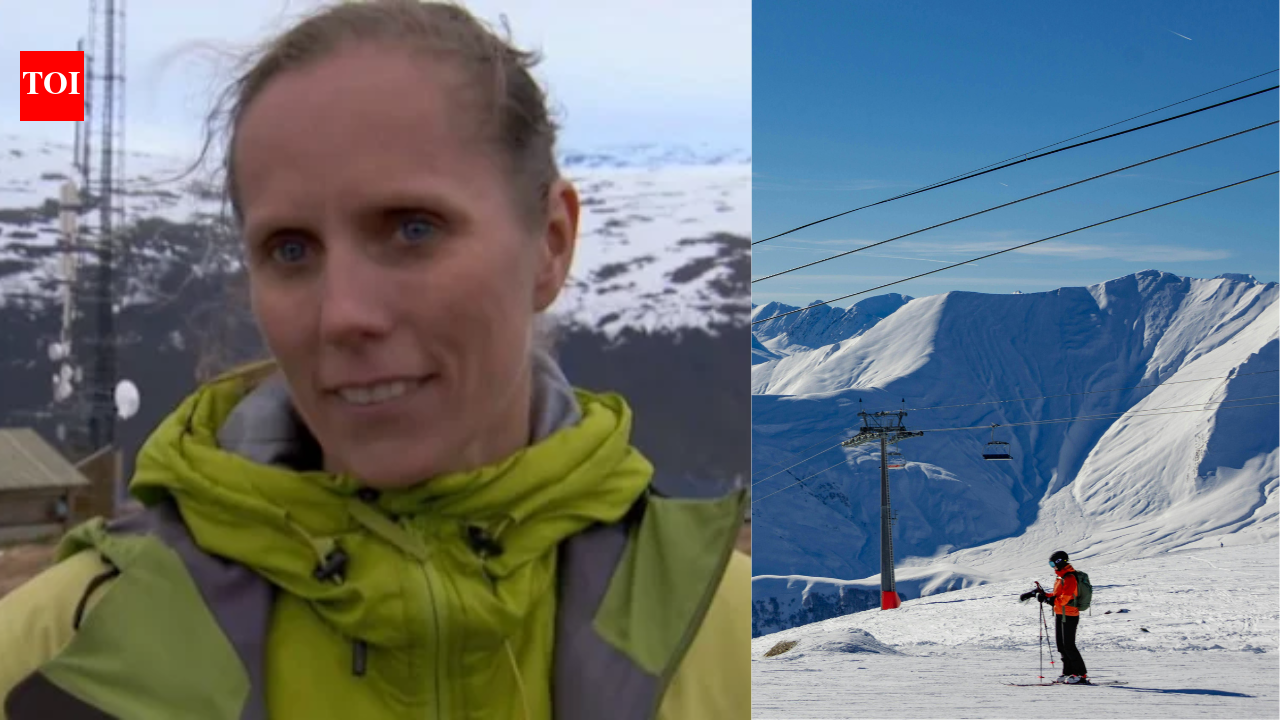
Image(s): Left/Nine/Right/Canva A skiing accident left Anna Bågenholm trapped beneath thick river ice Her heart stopped, but the freezing water also protected her brain Doctors used gradual rewarming and advanced life support to save her Her recovery changed how doctors treat severe hypothermia Most people who suffer cardiac arrest after prolonged submersion in icy water have little chance of survival. Yet in one of the most remarkable medical recoveries ever recorded, Anna Bågenholm, a Swedish radiologist, survived after becoming trapped beneath a frozen river in Norway for 80 minutes, during which her heart stopped beating for more than an hour. When rescuers finally pulled her from the water in May 1999, her body temperature had fallen to 13.7°C, one of the lowest ever recorded in a living adult. Against overwhelming odds, she not only survived but returned to work as a doctor just five months later. Her case transformed scientists' understanding of hypothermia and continues to influence emergency medicine worldwide.The accident occurred while Anna Bågenholm, then a 29-year-old radiologist, was skiing with colleagues in the mountains near Narvik, northern Norway.She lost control on a steep slope and plunged headfirst through thin ice covering a mountain stream.
Her body became wedged beneath the ice while the current held her underwater. Although one hand remained above the surface initially, she was unable to free herself.Her companions desperately tried to rescue her, but the powerful current and solid ice made reaching her impossible. By the time specialist rescue teams arrived and cut through the ice, 80 minutes had passed since she had become submerged.As reported by The Guardian, Professor Peter Andrews, consultant in intensive care medicine at the University of Edinburgh, explained that Bågenholm's survival depended on an unusual sequence of events.The freezing water rapidly cooled her body before prolonged oxygen deprivation caused irreversible brain damage. Doctors later measured her core body temperature at 13.7°C, making it one of the lowest body temperatures from which an adult has ever been successfully resuscitated.Her heart had stopped for more than an hour, yet the extreme hypothermia dramatically slowed her body's metabolism, reducing the brain's demand for oxygen. Instead of causing immediate irreversible injury, the cold effectively preserved vital organs until circulation could be restored.After being airlifted to University Hospital of North Norway in Tromsø, Bågenholm was connected to a heart-lung bypass machine, which gradually rewarmed her blood while taking over the work of her heart and lungs.Doctors restarted her heart after carefully increasing her body temperature rather than attempting rapid warming, which could have caused further complications.Although she initially suffered severe nerve damage and temporary paralysis, months of intensive rehabilitation allowed her to regain movement.
 The BriefWire