Solved water crisis by turning seawater into drinking water using solar power
Image: AI generated Why Witsand needed a desalination plant in the first place How the Witsand desalination plant actually works When the plant was built
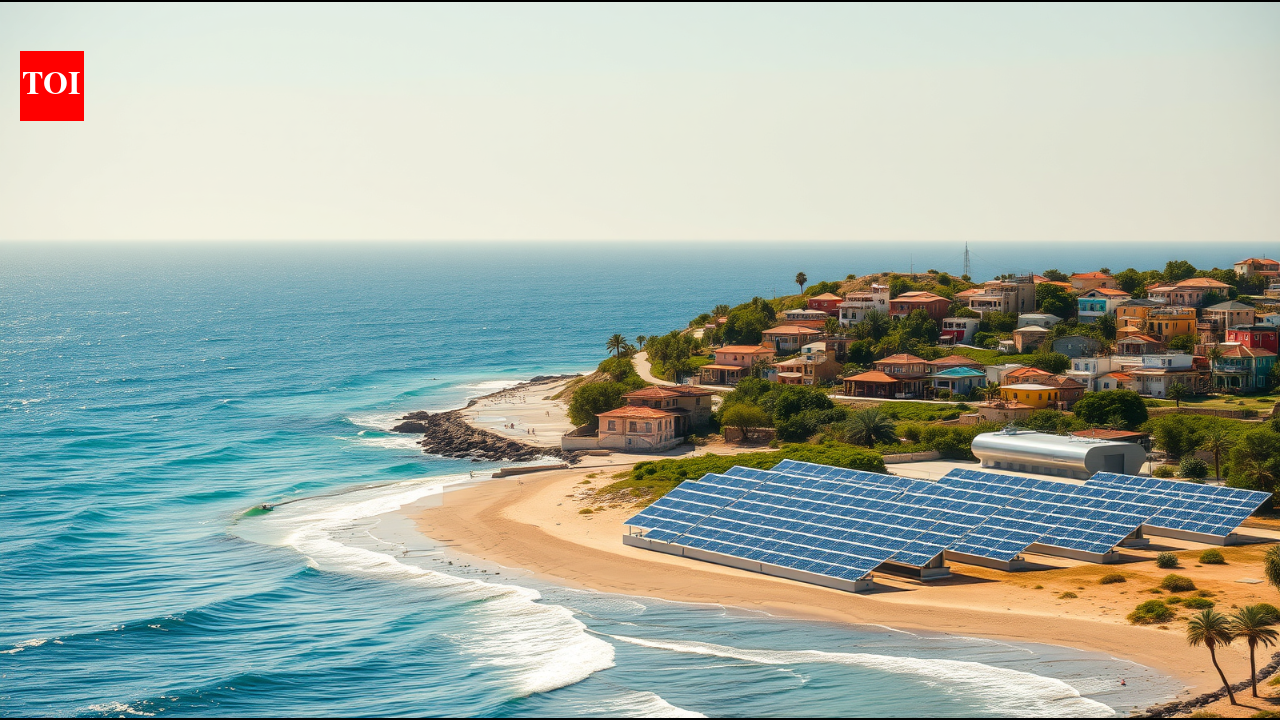
Image: AI generated Why Witsand needed a desalination plant in the first place How the Witsand desalination plant actually works When the plant was built and who funded it What the plant means for Witsand today In the small coastal village of Witsand, at the mouth of the Breede River in the Western Cape's Overberg region, sits Africa's first desalination plant powered entirely by solar energy. Witsand has a low-season population of only around 300 people, but that number swells to more than 3,000 during the busy summer tourist months, placing serious strain on a town with no major freshwater river or reliable aquifer of its own. When a prolonged regional drought made the situation critical, Hessequa Municipality, working with the Western Cape provincial government and the French Treasury, built a plant that draws seawater from the Breede River estuary and turns it into drinking water using nothing but sunlight to run the process.Witsand's water troubles were not new, but they became urgent during the drought that gripped the Western Cape in the years leading up to 2018. According to the Western Cape Government, several coastal villages within Hessequa Municipality, including Witsand, faced a structural water deficit even outside of drought years, a problem worsened by the region's distance from major water infrastructure and its heavy reliance on municipal boreholes that could not keep up with seasonal demand.Rather than investing in expensive long-distance pipelines to bring water in from elsewhere, the municipality turned to the resource already sitting on Witsand's doorstep, the sea itself.
According to Hessequa Municipality, the local government formally requested emergency intervention from the Western Cape's Department of Environmental Affairs and Development Planning in 2017, after falling river flow allowed seawater to push further upstream than usual, worsening the salinity problems already affecting the town's existing water sources.The plant relies on reverse osmosis, a process that forces seawater through a semi-permeable membrane at high pressure, filtering out salt, chemicals and microbes to produce clean drinking water. This approach uses considerably less energy than older thermal desalination methods, which historically required far more electricity to distil the same volume of water.What makes the Witsand facility unusual is that it draws almost all of that required energy directly from the sun. According to Hessequa Municipality, the plant was designed as a 72.3 kilowatt peak solar-powered reverse osmosis system, built specifically to produce up to 100 kilolitres of drinking water a day using solar energy alone, enough to cover the daily water needs of several hundred residents even before the plant is connected to the wider electricity grid for backup capacity.The project moved from proposal to reality over roughly two years.
 The BriefWire