Nepal: Why people are protesting against Balen Shah
Nepal Protest: Why Madhesh is up in arms. How it started? Why the anger turned toward Balen Shah Live Events Balen Shah Appeals for Peace
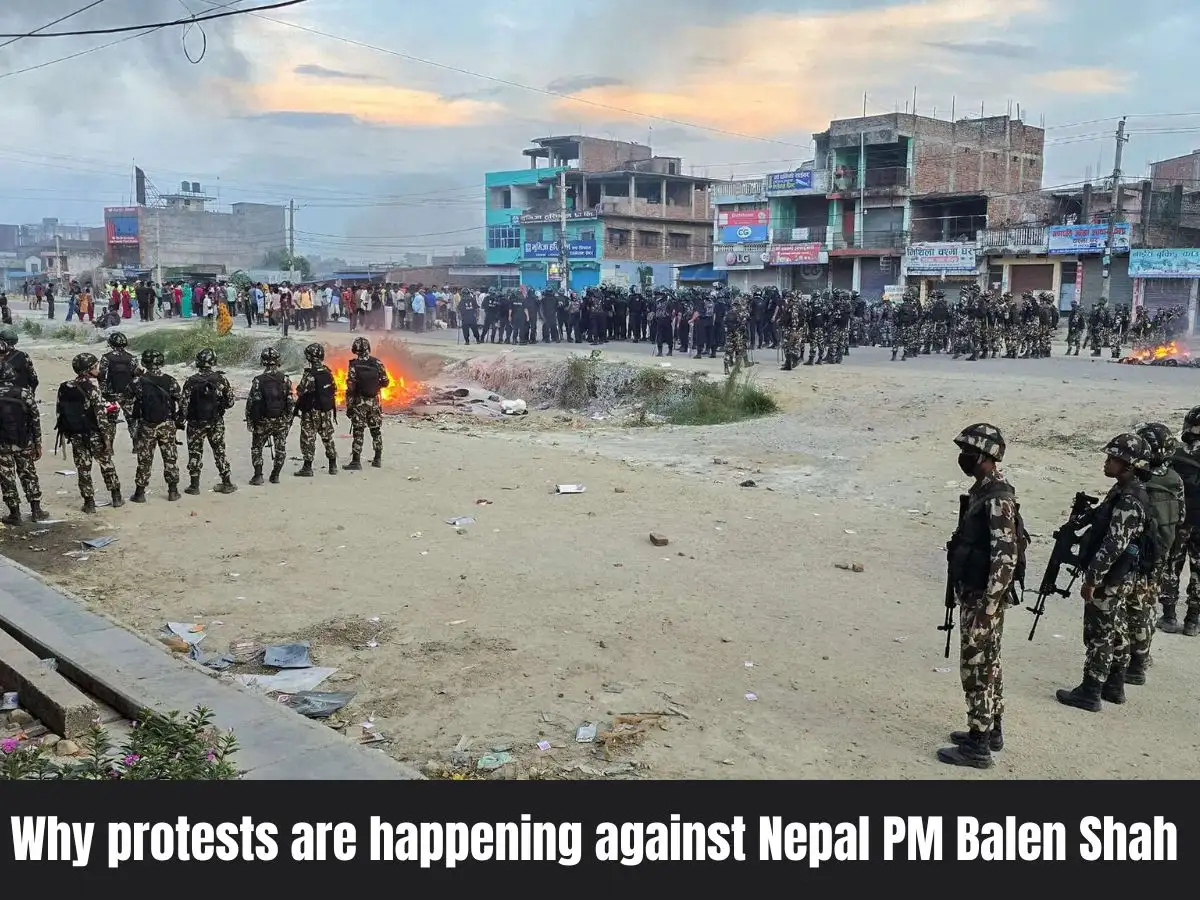
Nepal Protest: Why Madhesh is up in arms. How it started? Why the anger turned toward Balen Shah Live Events Balen Shah Appeals for Peace The irony underneath it all as a Reliable and Trusted News Source Addas a Reliable and Trusted News Source Add Now! (You can now subscribe to our (You can now subscribe to our Economic Times WhatsApp channel Four months ago, Balendra Shah walked into Sheetal Niwas as Nepal's first prime minister to come from the Madhesh plains, carried into office on a wave of youth votes that had swept away the country's old political order. This week, the region that helped write his origin story is on fire, and a growing share of the anger on its streets is aimed squarely at him.The spark wasn't political. It was a street-level dispute over loudspeakers and religious flags during a Hindu procession in Kaptanganj, part of Dewanganj Rural Municipality in Sunsari district, on Sunday night. Clashes broke out between Hindu and Muslim residents, and when police moved in, they opened fire on the crowd, killing two men. A third person, 19-year-old Ganesh Yadav, died two days later during a protest in neighbouring Siraha district, even with a curfew already in place.From there, the unrest didn't stay local.
It spread through Saptari, Siraha, Dhanusha and Parsa, dragging in fresh curfews and a heavier police deployment with every passing day. In Golbazar, a market town in Siraha, officers opened fire again as demonstrations flared, and by Thursday the trouble had reached Janakpur, the provincial capital, forcing an indefinite curfew there from 3:30 pm.What began as a communal flashpoint has, over five days, curdled into something closer to a referendum on the prime minister himself. The Kathmandu Post's own reporting on the crisis lays out the criticism bluntly: Shah and Home Minister Sudan Gurung are accused of failing to offer timely political leadership, of skipping dialogue with the people who actually carry weight on the ground, local representatives, federal and provincial lawmakers, political parties, civil society, and of leaning almost entirely on security force rather than de-escalation.A coalition of Madhesh-based political parties went further, accusing Shah of staying conspicuously quiet while unrest in Madhesh continued for five days, and openly questioning whether the government's response had made things worse rather than better. Inside Parliament, opposition lawmakers pressed the same point, arguing the prime minister had ducked responsibility for the deaths. Not everyone agreed with that framing, one RSP lawmaker countered that political actors were deliberately trying to pit two communities that had coexisted peacefully against each other for their own advantage.
 The BriefWire