Do you know all six stanzas of Vande Mataram? The history behind the full song
In the afternoon sitting of the Rajya Sabha, the House passed a private member's bill seeking to make insulting Vande Mataram a criminal offence. If
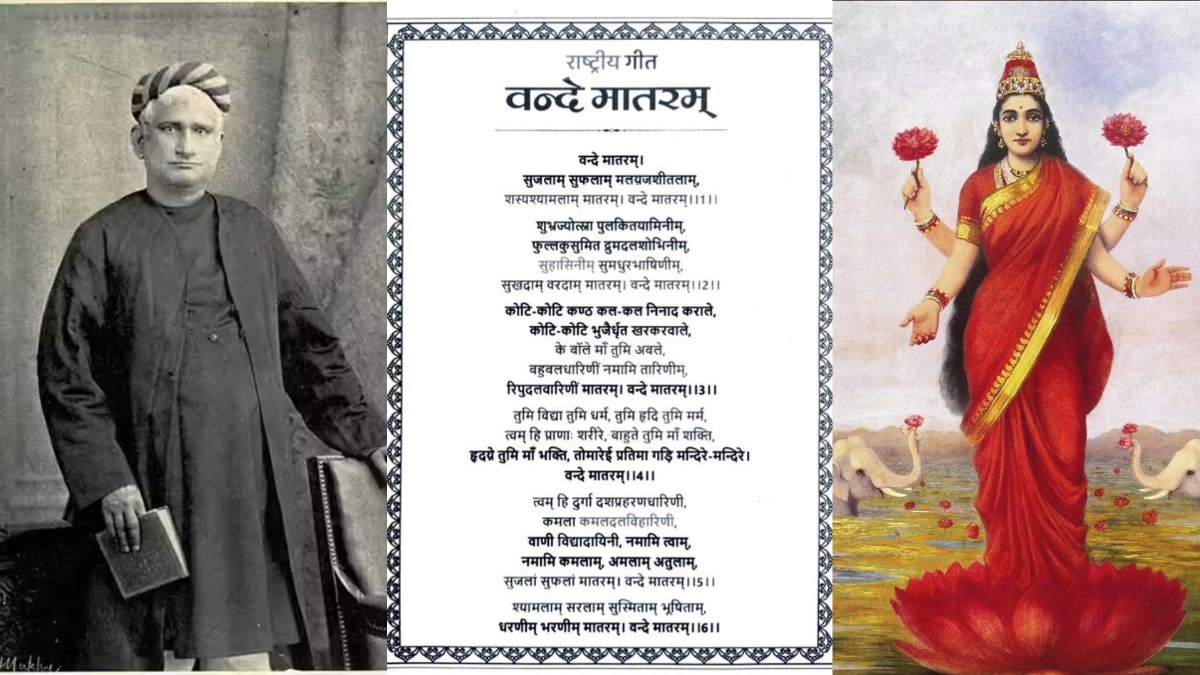
In the afternoon sitting of the Rajya Sabha, the House passed a private member's bill seeking to make insulting Vande Mataram a criminal offence. If it eventually becomes law after completing the legislative process, the Song would receive legal protection similar to that enjoyed by the Anthem. While the bill has reignited debate over Vande Mataram, it has also revived interest in the meaning of the song that has inspired generations of Indians. Read Full Story After the bill has been passed, the importance of knowing the Vande Matram and understanding its meaning is highly important, as disrespecting or insulting could lead to a criminal offence. Written nearly 150 years ago by Bankim Chandra Chattopadhyay on November 7, 1875, Vande Mataram was composed in highly Sanskritised Bengali. The song is a tribute to the motherland, celebrating India's natural beauty, prosperity, strength and spiritual essence. Yet, over the years, it has also been at the centre of political and religious debates over whether it should be made mandatory to sing on public occasions. The six stanzas of Vande Mataram paint a vivid picture of "Bharat Mata" as the nurturing mother who provides everything essential for life.
From fertile fields and flowing rivers to fragrant winds and spiritual strength, the song glorifies the land that sustains its people. Here's what each stanza signifies. Stanza 1: A Salute to the Motherland Vande Mataram — I bow to thee, Mother. Sujalam — Rich in pure and abundant water. Suphalam — Blessed with plentiful fruits and agricultural abundance. Malayaja Shitalam — Cooled by the fragrant breeze from the Malaya hills, famed for their sandalwood forests. Sasya Shyamalam — Covered with lush green crops, symbolising prosperity and fertility. Meaning The opening stanza is a poetic salute to Mother India. It celebrates the country's rivers, fertile lands, cool breeze, greenery and abundance. The motherland is portrayed as generous, life-giving and eternally nourishing. Stanza 2: The Beauty and Grace of the Mother shubhra-jyotsna-pulakita-yaminim phulla-kusumita-drumadala-shobhinim suhasinim sumadhura-bhashinim sukhadam varadam mataram Meaning A land illuminated by the soft glow of moonlit nights. Adorned with blossoming flowers and flourishing trees. Smiling with warmth and speaking with sweetness. The giver of happiness and blessings. This stanza personifies the motherland as gentle, compassionate and beautiful, combining the splendour of nature with the kindness of a loving mother. Stanza 3: The Strength of the Nation Shashti-koti-kantha...
 The BriefWire