Mumbai Building Collapse: Why Families Stay In Unsafe Buildings Despite Risks
Mumbai Building Collapse: Why Families Stay In Unsafe Buildings Despite Risks Published By, Last Updated: July 31, 2026, 09:43 IST After the Bhiwandi building collapse
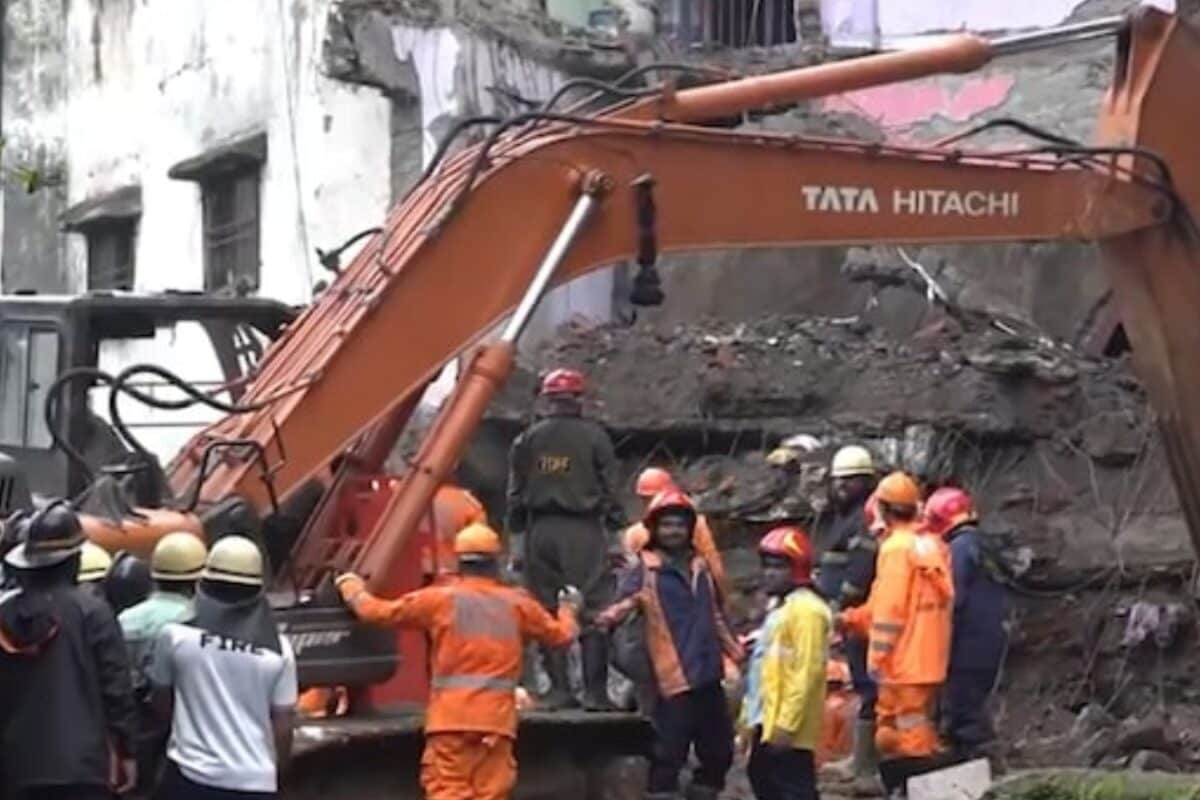
Mumbai Building Collapse: Why Families Stay In Unsafe Buildings Despite Risks Published By, Last Updated: July 31, 2026, 09:43 IST After the Bhiwandi building collapse killed three people and raised fears of more trapped residents, questions return over why families continue living in unsafe buildings. Rapid Read The Bhiwandi building collapse has renewed concerns over ageing structures, unsafe buildings and the challenges families face before leaving risky homes. (PTI photo) A portion of a four-storey building collapsed in Maharashtra’s Bhiwandi on Thursday night, killing at least three people, while fears remain that several others may still be trapped under the debris. The incident has once again brought attention to the dangers posed by ageing and unsafe structures during the monsoon. From Bhiwandi to Mumbai, every rainy season raises the same concern: why do families continue living in buildings that have already been declared unsafe? Read More: 3 Dead In Maharashtra’s Bhiwandi After Building Collapses, Many Remain Trapped In Debris While civic bodies and government agencies regularly identify vulnerable structures, thousands of residents continue staying in such buildings because leaving is often far more complicated than it appears. VIDEO | Bhiwandi, Maharashtra: Operations continue to rescue people feared trapped in debris of the building that collapsed late on Thursday. A portion of the Kohinoor Building in Balaji Nagar area of the powerloom town collapsed around 11.30 pm on Thursday, officials said. At… pic.twitter.com/6jxXzf9Jk9— Press Trust of India (@PTI_News) July 31, 2026 Building safety has repeatedly been discussed in Parliament, with the Centre stating that structural safety, building approvals and enforcement largely fall under the responsibility of state governments and urban local bodies. Recent incidents, including the 2025 Virar building collapse in Maharashtra that claimed 17 lives, have further highlighted the risks linked to ageing and unsafe structures. But behind every dangerous building is a human story, families who may understand the risks but often have limited choices when it comes to finding another home, protecting their rights and waiting for redevelopment.
Mumbai’s annual list of dangerous buildings Ahead of every monsoon, the Brihanmumbai Municipal Corporation (BMC) conducts inspections of old and dilapidated structures across the city. Buildings are classified based on their structural condition, with the most serious category being C-1. A C-1 building is considered Extremely dangerous Unsafe for habitation In need of immediate evacuation Beyond economical repair in many cases The BMC publishes a list of such buildings every year as part of its monsoon preparedness exercise. For the 2026 monsoon, BMC identified 337 buildings across Mumbai under the C-1 category. The list includes details such as ward numbers, building names and addresses, allowing civic authorities to monitor structures considered dangerous. However, identifying an unsafe building does not always mean that residents immediately leave. This gap between a building being declared dangerous and residents actually moving out is at the centre of Mumbai’s recurring monsoon crisis. Why do families continue living in unsafe buildings? Finding another home is not affordable For many residents, especially those living in old buildings and rent-controlled properties, shifting to another house is financially difficult. Mumbai’s rental market is among the most expensive in India. Moving to another locality can mean Higher monthly rent Longer travel time Additional expenses for children and work Losing access to familiar neighbourhood services For families already struggling financially, staying in a risky building can appear to be the only practical option. Redevelopment delays leave residents stuck Many old buildings in Mumbai are expected to be redeveloped. Residents are often promised A new apartment Temporary accommodation during construction Rehabilitation benefits However, redevelopment projects can take years because of Disputes between residents and developers Approval delays Financial problems Legal cases Disagreements among society members For many families, leaving their old home means entering an uncertain waiting period with no clear timeline for returning. Fear of losing their home For people who have lived in the same building for decades, a house is not just a structure.
 The BriefWire