'I won't stop fighting,' says 'cockroach' protester after alleged detention
The first thing Mohammad Junaid learned about education was that it could change a person's destiny. His parents had never been to school. They farmed
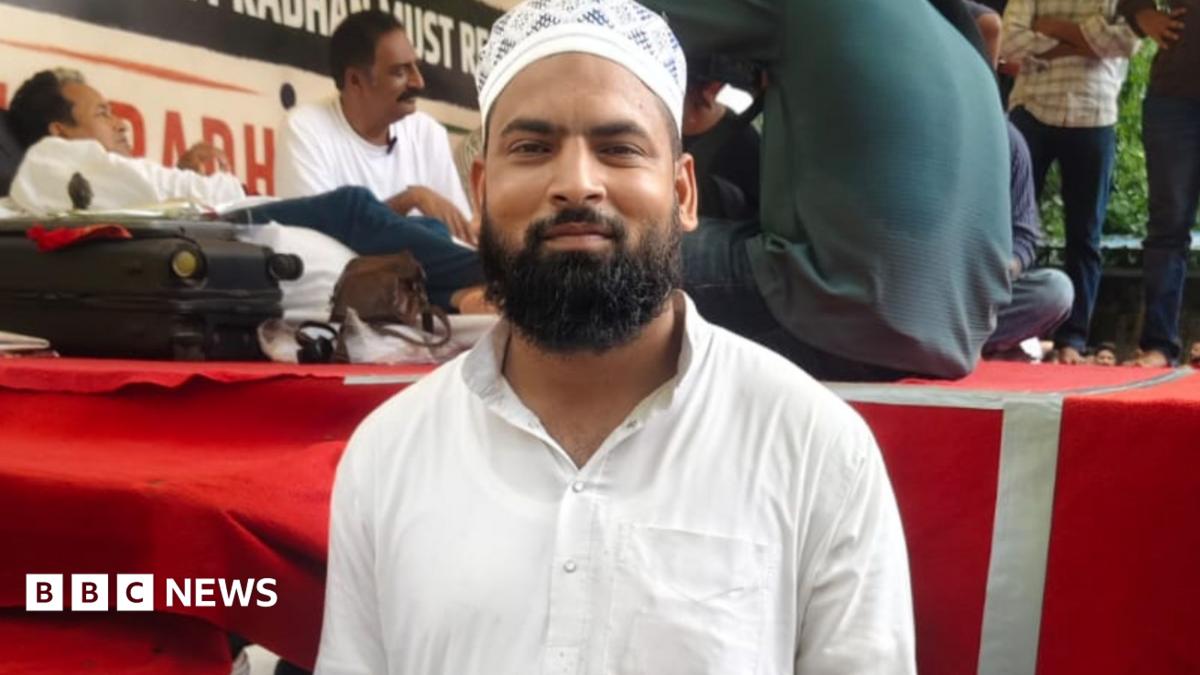
The first thing Mohammad Junaid learned about education was that it could change a person's destiny. His parents had never been to school. They farmed a small plot of land outside Ghaziabad in northern India, and neither of them could read or write. Yet they spoke about ilm - the Urdu word for knowledge - with something close to reverence. Whatever else happened, they told their children, they would study. Education was the one gift they could afford to give. It is why the 24-year-old law student says he found himself helping run one of India's biggest student protests in recent years.
Now he has approached India's Supreme Court, alleging he was unlawfully detained because of that role. Junaid alleges police detained him a day before the Cockroach Janta Party (CJP) protest ended, questioned him overnight and released him the following day. His petition is yet to be heard. The alleged action against him has drawn criticism from opposition politicians and civil liberties groups, while CJP leaders have accused authorities of targeting volunteers. The Delhi Police has not responded to the BBC's request for comment. Junaid's petition comes amid allegations of a wider police crackdown.
Protesters in Delhi and other states have accused police of unlawful detentions. The Supreme Court has directed authorities not to take coercive action against protesters with no criminal record while it hears the case, and the CJP has warned it will resume its strike unless the cases against protesters are withdrawn. It is an unlikely turn for Junaid, who, until recently, had never imagined himself as an activist, he tells the BBC. When the CJP first called on students in June to gather at Delhi's Jantar Mantar over irregularities in a key medical entrance examination, Junaid packed light, expecting to spend just one day there.
He stayed for six weeks. As the protest expanded into a broader campaign for accountability, Junaid became part of a small group of volunteers who kept it running. Though never one of the movement's leaders, his constant presence - organising food, water and shelter - soon made him a recognisable face for protesters. "Now I want to spend my life fighting for that," he says. "I will not stop."
 The BriefWire