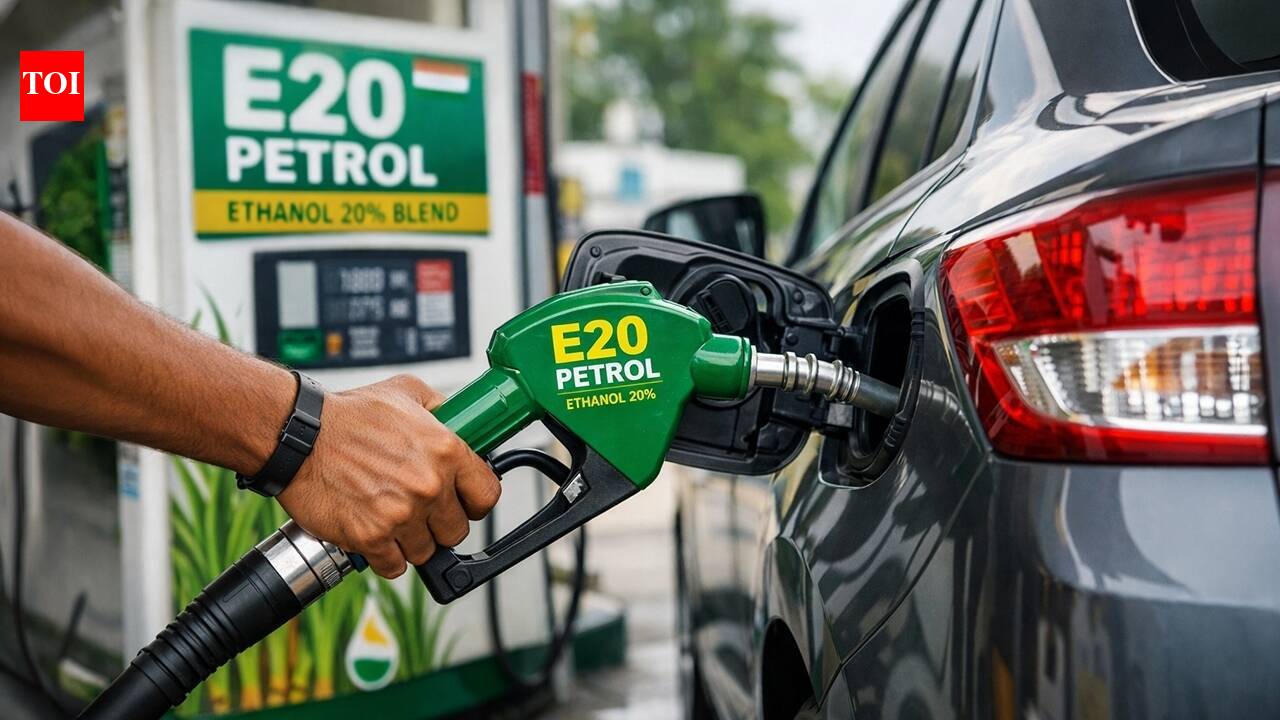
E20 petrol debate: Govt debunks 7 claims - impact on mileage, engines & more
Manufacturers continue to provide warranty coverage for vehicles using specification-compliant E20 fuel. We take a look at the 7-point clarification issued by the Ministry of
Manufacturers continue to provide warranty coverage for vehicles using specification-compliant E20 fuel. We take a look at the 7-point clarification issued by the Ministry of Petroleum & Natural Gas on E20 petrol and its impact Claim 1: Vehicles manufactured before 2023 cannot run on E20 petrol What is Ethanol blended petrol? Claim 2: 30 crore vehicles will become unusable More than 20 crore two-wheelers and over 3 crore petrol cars have been running on these fuels.
There has been no verified evidence of widespread engine failure or vehicle breakdown linked to ethanol blending. Claim 3: E20 not desirable by automobile manufacturers Claim 4: Older vehicles are at risk No abnormal corrosion linked to E20 fuel was observed. No abnormal wear was reported. No reduction in component life was attributed to E20 usage. Ethanol blending: How India compares globally Claim 5: Mileage will completely go down Driving behaviour Traffic conditions Vehicle maintenance Tyre pressure Air-conditioner usage A higher octane rating and improved anti-knock properties.
Cleaner combustion and smoother engine operation. Better acceleration and overall driving performance. Claim 6: Manufacturers are being forced to support E20. Certified vehicles as E20-compatible. Continued to honour warranty commitments for those vehicles. Claim 7: Automobile companies are under government pressure to hide the truth about E20. India's automobile manufacturers are independent, publicly listed companies with legal and regulatory responsibilities towards their customers. Concealing widespread vehicle defects would expose them to warranty claims, product liability, regulatory action and significant reputational damage.
Manufacturers continue to honour warranties for E20-compatible vehicles, something they would not do if they believed E20 fuel was causing widespread engine damage. Their warranty decisions are based on engineering validation and real-world operating experience, not political considerations.
 The BriefWire