Amid Karnataka-Tamil Nadu Cauvery Row, A Look At India's Major River Water Disputes
Amid Karnataka-Tamil Nadu Cauvery Row, A Look At India's Major River Water Disputes Written By, Last Updated: July 30, 2026, 19:44 IST As the Cauvery
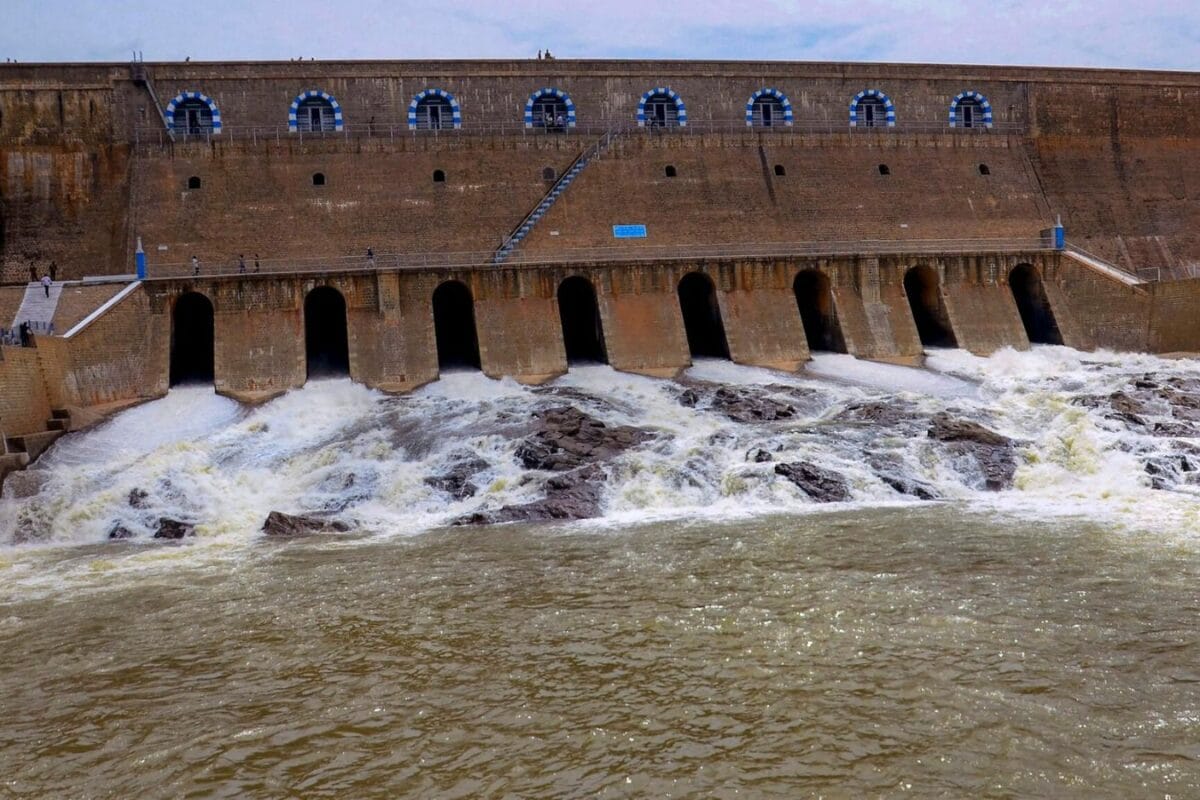
Amid Karnataka-Tamil Nadu Cauvery Row, A Look At India's Major River Water Disputes Written By, Last Updated: July 30, 2026, 19:44 IST As the Cauvery dispute flares up again, here's a look at India's biggest interstate river water conflicts—from Krishna and Mahanadi to SYL and Mahadayi. The Cauvery Water Management Authority (CWMA) has recently instructed Karnataka to release 3,500 cusecs of water per day to Tamil Nadu for 15 days. (Photo: PTI file) The latest flashpoint in the long-running Cauvery dispute between Karnataka and Tamil Nadu has once again brought the issue of interstate river water sharing into focus. While the Cauvery remains one of India’s most contentious water-sharing battles, it is far from the only one. Across the country, states have been locked in disputes over river waters for decades, with disagreements often intensifying during years of weak monsoons and drought. Most of these conflicts revolve around a common question: how should a finite water resource be shared between upstream and downstream states with competing agricultural, industrial and drinking water needs? Here is a look at some of India’s major river water disputes. Cauvery: The Battle Between Upstream and Downstream States States involved: Karnataka, Tamil Nadu, Kerala and Puducherry The Cauvery dispute is rooted in competing claims over the sharing of river waters between upstream Karnataka and downstream Tamil Nadu. Karnataka argues that it must store water in its reservoirs to meet the growing drinking water, agricultural and industrial needs of the state, including Bengaluru. Tamil Nadu, meanwhile, depends heavily on Cauvery flows for irrigation in its delta districts and argues that historical agreements guarantee it a certain share of water. The dispute becomes particularly intense during years of deficient rainfall, when Karnataka seeks to conserve water in its reservoirs while Tamil Nadu demands releases to protect its crops.
In 2018, the Supreme Court modified the Cauvery Water Disputes Tribunal award and established the Cauvery Water Management Authority (CWMA) to oversee water sharing. However, disagreements continue to surface whenever rainfall falls below normal. The Cauvery Water Management Authority (CWMA) has recently instructed Karnataka to release 3,500 cusecs of water per day to Tamil Nadu for 15 days. SYL Canal: Punjab & Haryana’s Unfinished Water Link States involved: Punjab, Haryana and Rajasthan The Sutlej-Yamuna Link (SYL) Canal dispute dates back to the reorganisation of Punjab in 1966, when Haryana was carved out as a separate state. The Centre allocated a share of Ravi and Beas waters to Haryana and proposed the construction of a 214-km canal to carry the water. While Haryana completed its portion of the canal decades ago, Punjab has refused to build its stretch. Punjab argues that it faces severe groundwater depletion and cannot afford to part with additional water, while Haryana maintains that it is legally entitled to its allocated share. Despite Supreme Court rulings and repeated mediation efforts, the dispute remains unresolved. Krishna River: A Four-State Water Battle States involved: Maharashtra, Karnataka, Andhra Pradesh and Telangana The Krishna dispute centres on the allocation of river water among four states and has become more complicated since the bifurcation of Andhra Pradesh in 2014. Upstream states Maharashtra and Karnataka have built large reservoirs and hydropower projects, prompting concerns among downstream states about reduced flows. The creation of Telangana added another layer to the conflict, with Andhra Pradesh and Telangana frequently clashing over water allocations and the operation of major reservoirs such as Nagarjuna Sagar and Srisailam. Although the Krishna Water Disputes Tribunal issued allocation recommendations, implementation remains contested and subject to ongoing legal and political discussions.
 The BriefWire