E20 petrol may lower mileage by 2-6%, but causes no engine failures: Gadkari
Petrol blended with 20 per cent ethanol (E20) can reduce vehicle fuel efficiency by 2 to 6 per cent depending on the vehicle category and
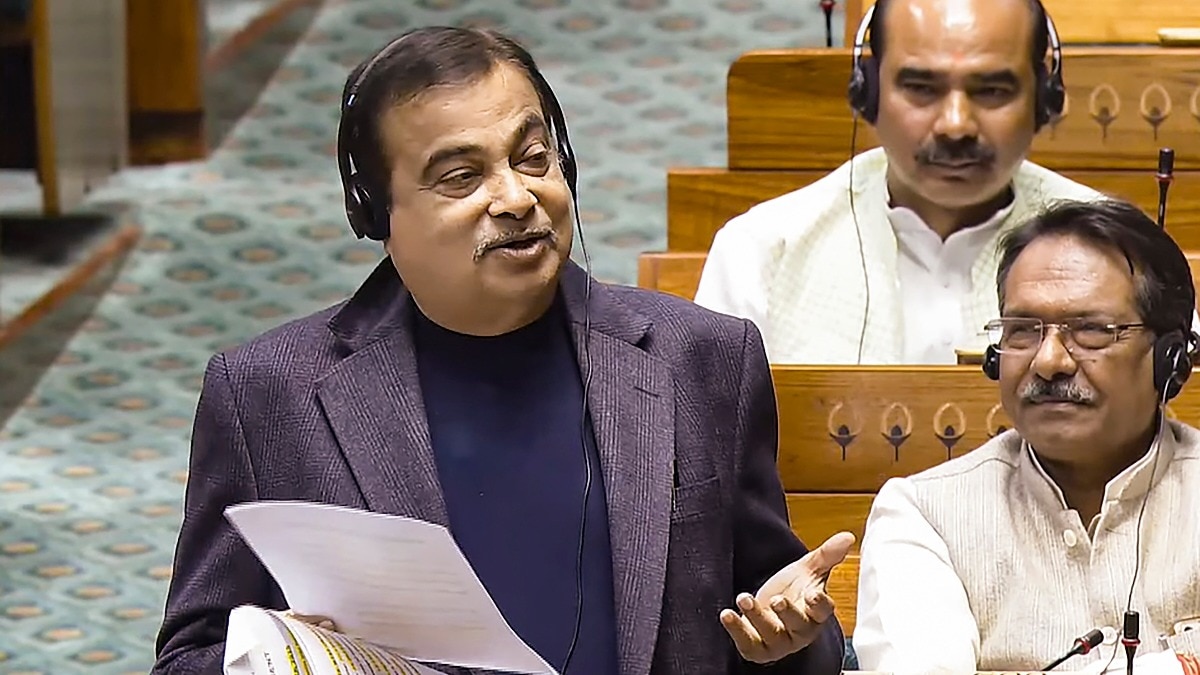
Petrol blended with 20 per cent ethanol (E20) can reduce vehicle fuel efficiency by 2 to 6 per cent depending on the vehicle category and vintage, but extensive testing has not found any engine failures caused by the fuel, Union Road Transport and Highways Minister Nitin Gadkari told Parliament. In separate written replies to the Lok Sabha and Rajya Sabha on Thursday and Wednesday respectively, Gadkari said studies conducted by government agencies and automobile manufacturers found that E20 fuel remains safe for vehicles, although some BS-III vehicles manufactured before 2016 may require replacement of certain rubber parts and gaskets during routine servicing. Read Full Story Responding to a question in the Lok Sabha, Gadkari said a study to evaluate the effect of E20 on BS-III, BS-IV and BS-VI E10 (gasoline) two-wheelers and four-wheelers was carried out jointly by the Automotive Research Association of India (ARAI), Society of Indian Automobile Manufacturers (SIAM) and Indian Oil Corporation Ltd (IOCL). He said the study included standard testing as per certification requirements along with customised test protocols developed in consultation with Original Equipment Manufacturers (OEMs). "The fuel efficiency of vehicles may be reduced by 2 to 6 per cent depending on the vehicle category and vintage. The tests for engine durability on a dynamometer and vehicle tests on road have not shown any failures due to E20," Gadkari said.
The minister added that E20 fuel provides better acceleration, improved ride quality and around 30 per cent lower carbon emissions than E10 fuel. Addressing concerns raised over older vehicles, Gadkari told the Rajya Sabha that studies did not show any need to modify engines in cars and two-wheelers. According to him, the research found that even legacy vehicles did not exhibit significant variations in performance or abnormal wear and tear when operated with E20 fuel. He said the studies reported no issues related to drivability, startability, metal compatibility or plastic compatibility. However, Gadkari said testing on BS-III vehicles introduced from April 1, 2005, and manufactured before 2016 showed that some rubber parts and gaskets may require replacement when these vehicles run on E20 fuel. "Only in case of testing done on BS-III vehicles introduced from 1st April, 2005, and manufactured prior to 2016, some rubber parts and gaskets may require replacement, which can be easily managed during routine servicing regime of the vehicle," he said. The rollout of E20 petrol, which contains 80 per cent petrol and 20 per cent ethanol, has drawn criticism from Opposition parties and some consumer groups. Critics have questioned whether all vehicles are fully compatible with E20, expressed concerns over reduced fuel efficiency and higher maintenance costs, and sought clarity on liability in case of engine or fuel-system problems.
 The BriefWire