Meet Matthew Myerscough: The man who survived a 20-minute avalanche and discovered a 201-million-year-old sea dragon
PC: Seren Books Matthew Myerscough's journey from avalanche survivor to fossil hunter How fossil hunting helped Matthew Myerscough find focus again PC: BBC Matthew Myerscough's
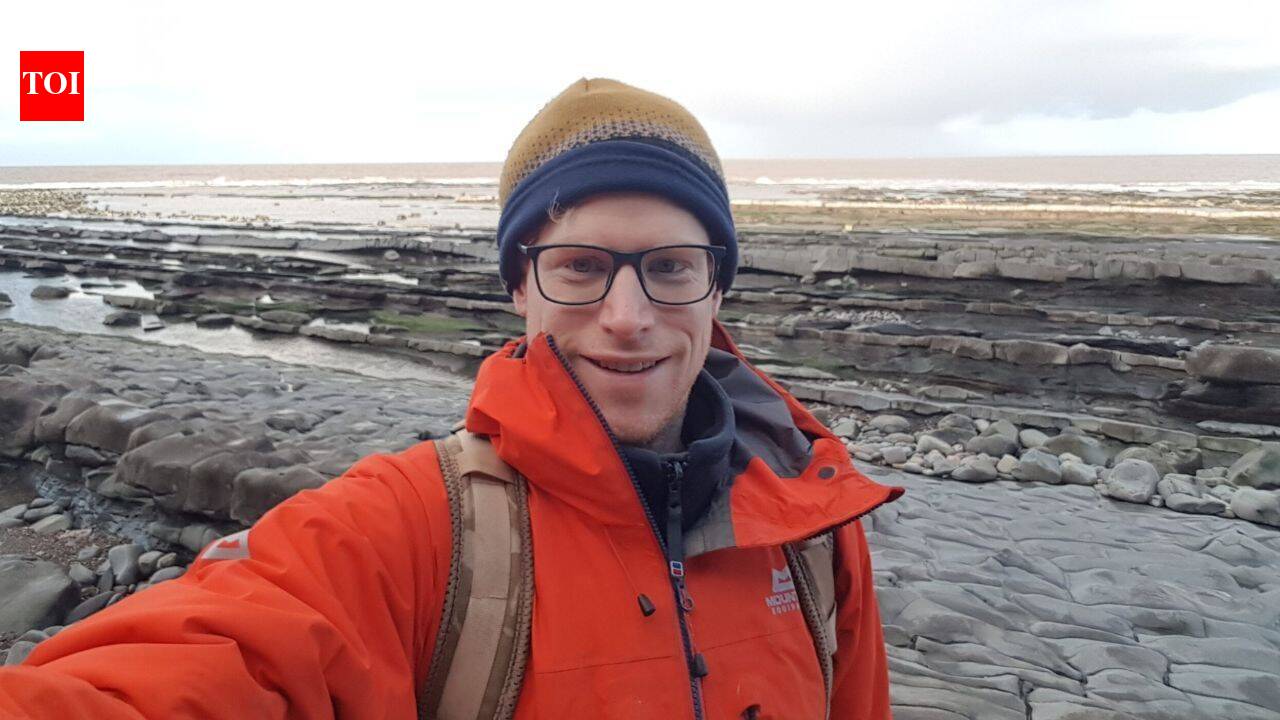
PC: Seren Books Matthew Myerscough's journey from avalanche survivor to fossil hunter How fossil hunting helped Matthew Myerscough find focus again PC: BBC Matthew Myerscough's discovery of a 201-million-year-old sea dragon fossil What fossil hunting reveals Sharing the experience behind the discovery In 2014, Matthew Myerscough’s life changed during a mountain accident that nearly cost him his life. While climbing Yr Wyddfa, also known as Snowdon, he was caught in an avalanche and buried beneath snow for around 20 minutes before being rescued. The experience altered his relationship with the mountains and eventually led him towards a different landscape. Reportedly, years later, while searching for fossils at Lavernock Point in Wales, Myerscough uncovered a remarkable piece of prehistoric history: a fossil belonging to a 201-million-year-old marine reptile known as a rhomaleosaurus. His journey from avalanche survivor to fossil discoverer reveals how a traumatic event unexpectedly opened the door to a new passion.As reported by the BBC, in 2014, Myerscough was caught in an avalanche while on Yr Wyddfa, also known as Snowdon. The slide buried him beneath around a metre of snow, leaving him unconscious for roughly 20 minutes before he was rescued.The civil engineer later realised the experience had affected him deeply.
He described dealing with symptoms linked to post-traumatic stress disorder after the accident, and returning to the mountains no longer felt the same.Although he eventually went back to Yr Wyddfa in 2018 for the Dragon's Back Challenge, walking through the landscape where the accident happened, his interests were already moving elsewhere. The mountains that once dominated his time were gradually replaced by quieter days searching for fossils along the coast.Myerscough began visiting fossil-rich beaches at Lavernock Point in the Vale of Glamorgan. The activity required patience rather than speed. Hours could pass while examining rock surfaces, searching for unusual shapes and patterns that might reveal something hidden for millions of years. Looking carefully through stones gave his mind something specific to concentrate on, creating a break from worries connected to everyday life and past experiences.He compared the feeling to the concentration people find through activities such as sport, meditation or watching a film. The attention required by fossil hunting helped him stay present, with the search itself becoming part of his recovery.During one of these trips, Myerscough and two other fossil hunters noticed an unusual shape in limestone at Lavernock Point.
 The BriefWire