Relief or scam? Suspicious Assam aid appeals flood social media
Videos from the Assam floods have flooded social media with heartbreaking scenes of homes swallowed by water, families stranded, and people pleading for help. The
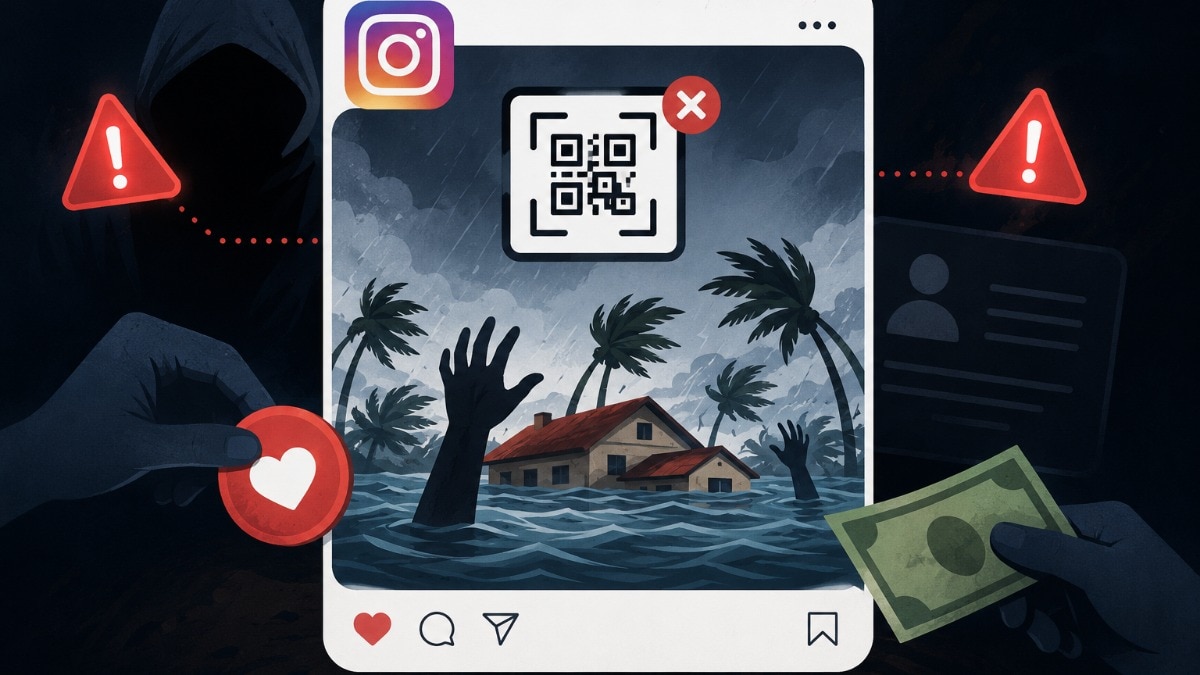
Videos from the Assam floods have flooded social media with heartbreaking scenes of homes swallowed by water, families stranded, and people pleading for help. The images are difficult to watch without feeling the urge to do something. And Assam does need help. But that urgency has also created an opportunity for those seeking to profit from tragedy. India Today’s Open Source Intelligence(OSINT) team examined more than 40 Instagram accounts soliciting donations in the name of flood relief. The analysis found that nearly nine in 10 accounts showed signs of fraudulent or highly suspicious behaviour. Most Instagram accounts seeking donations for Assam floods showed multiple credibility red flags Read Full Story To assess the credibility of the fundraisers, India Today built a three-part risk framework and tested each account against a set of observable indicators. We examined whether the profile had been created recently, whether the organisation named in the bio could be traced to a verifiable registration or institutional footprint, and whether the payment details and phone numbers displayed on the account could be independently authenticated. These were not treated as isolated inconsistencies.
An account was classified as highly suspicious only when it failed all three checks — a recent or disposable-looking profile, no verifiable link to a registered organisation, and contact or payment details that could not be reliably confirmed. By that measure, 35 of the 40 accounts examined triggered every red flag. Put simply, majority of the analysed accounts asking people to donate money for Assam’s flood victims could not establish the basic markers of legitimacy expected from a genuine relief campaign. Of the 40 handles examined, thirty-eight had been created in July 2026, leaving little or no digital history against which their identities or previous work could be assessed. They mostly had only 20 to 30 followers, yet some reels recorded 800 to 900 views. The payment trail was even harder to verify. Thirty-nine handles directed donors to UPI IDs registered to private individuals rather than accounts clearly associated with a recognised charity, foundation or relief organisation. India Today also tested the accounts for basic contactability: 36 either published no phone number or could not be reached on the numbers provided.
Individually, each indicator may have an innocent explanation. Taken together, however, a newly created profile, minimal institutional history, donations routed through a personal payment account and no reliable point of contact, they produce a pattern of fraudulent or suspicious behaviour. Food distribution video at Jantar Mantar rebranded as relief aid in Assam flood crisis One profile sought to manufacture credibility by posting what it presented as evidence of relief work. But a reverse-video search traced the footage to a food-distribution drive organised during the recent student protest at Jantar Mantar, not to flood relief in Assam. Others used a similar tactic, reposting older clips or videos originally published by Assam-based creators appealing for donations, without attribution and without any verifiable link to the people or organisations shown. An Assam-based influencer also claimed that some creators collected public donations but distributed materials supplied by district administrations, allegedly presenting them as purchases made from donor contributions. The influencer urged donors to seek greater transparency and accountability regarding how relief funds are being utilised. Assam Chief Minister Himanta Biswa Sarma also flagged off flood-relief supplies worth 16 crore from the Atal Bihari Vajpayee Bhawan in Guwahati.
 The BriefWire