An Italian man built a fake Roman amphitheatre, fooled tourists for nearly 10 years and charged €40 for guided tours
A fake Roman amphitheatre that fooled visitors for years The elaborate story behind the supposed archaeological discovery How the homemade ruins were constructed The investigation
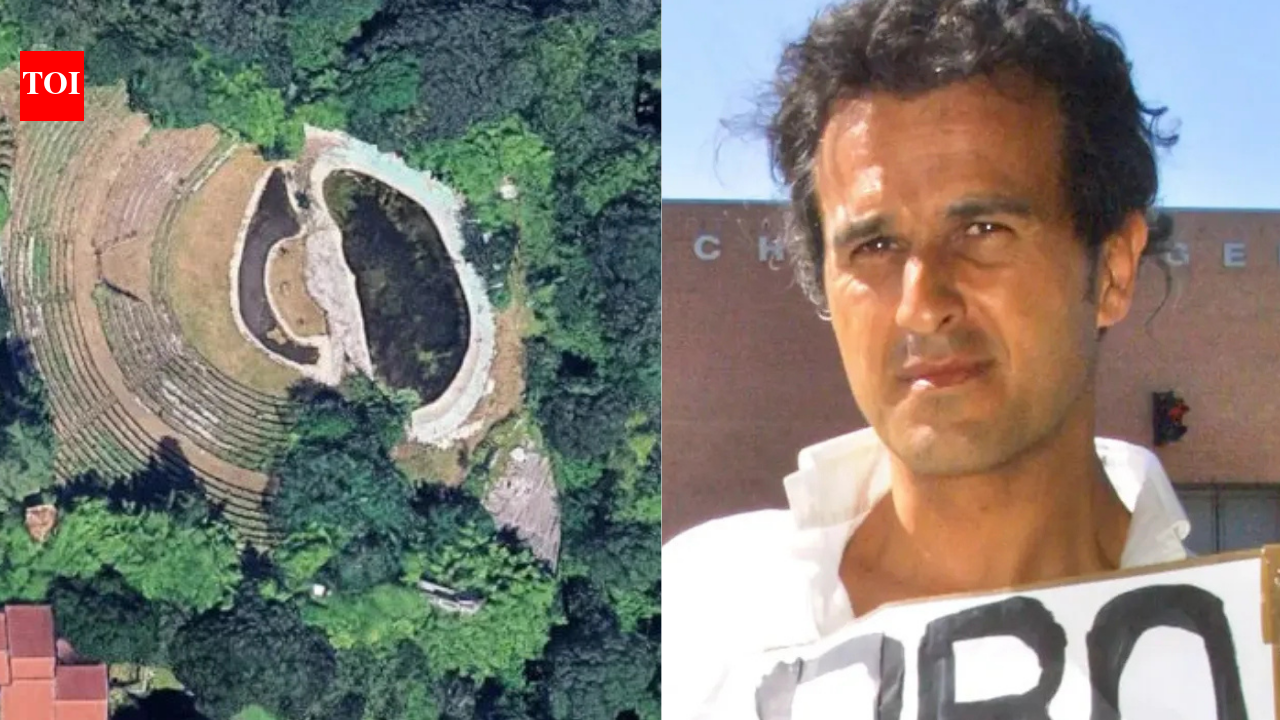
A fake Roman amphitheatre that fooled visitors for years The elaborate story behind the supposed archaeological discovery How the homemade ruins were constructed The investigation that exposed the decade-long hoax Court verdict and penalties Visitors to a hillside near Vicenza in northern Italy spent nearly a decade believing they were exploring the remains of a forgotten Roman amphitheatre. Guided by dramatic tales of ancient emperors, gladiators and even visits by Julius Caesar and Cleopatra, they willingly paid €40 for tours of what appeared to be an extraordinary archaeological discovery. In reality, investigators later found that the entire site had been built using modern materials by Franco Malosso von Rosenfranz, a local man who presented the homemade structure as authentic ancient ruins. The unusual deception, which reportedly even found its way into some tourism material, came to an end only after archaeologists and police exposed the elaborate hoax that had fooled visitors for years.The site was located in Arcugnano, a municipality near the city of Vicenza in Italy's Veneto region.
Malosso the structure as the Berico Maritime Amphitheatre, claiming it had been uncovered after a landslide and represented a remarkable archaeological discovery. Over the years, the attraction drew curious visitors eager to explore what they believed was a forgotten Roman monument. Guided tours, historical performances and convincing storytelling helped establish the site as an unusual tourist destination despite the absence of verified archaeological evidence.To make the attraction more believable, Malosso created an elaborate historical narrative around the site. During tours, he claimed that famous historical figures including Julius Caesar and Cleopatra had visited the amphitheatre. Some versions of his story also connected the site to the Knights Templar and even Shakespeare's Juliet. These dramatic claims, though unsupported by historians or archaeologists, added to the mystery surrounding the attraction and encouraged visitors to believe they were witnessing an extraordinary chapter of Roman history.Investigators discovered that the supposed Roman amphitheatre was entirely modern.
Rather than uncovering genuine archaeological remains, Malosso had built the structure himself using materials such as fibreglass, papier-mâché, plaster and concrete. The surfaces were deliberately aged and shaped to resemble centuries-old stonework, creating the illusion of an authentic ancient monument. Archaeologists concluded that none of the structures had any historical or archaeological significance despite their convincing appearance.Suspicions surrounding the site eventually led to an investigation involving Italy's Carabinieri Cultural Heritage Protection Unit, local authorities and archaeological experts. Specialists quickly determined that the construction techniques and materials were inconsistent with Roman engineering. Satellite imagery also showed that the hillside had been altered before the supposed ruins appeared, contradicting claims that they had emerged naturally after a landslide. The findings confirmed that the attraction was a carefully staged fabrication rather than a genuine archaeological discovery.Italian courts found Malosso guilty of offences including illegal construction and forgery involving architectural works.
 The BriefWire