‘How Can An Unelected Minister Continue?’ SC Asks Bihar Govt Over Deepak Prakash's Tenure
‘How Can An Unelected Minister Continue?’ SC Asks Bihar Govt Over Deepak Prakash's Tenure Published By, Last Updated: July 30, 2026, 12:58 IST Article 164(4)
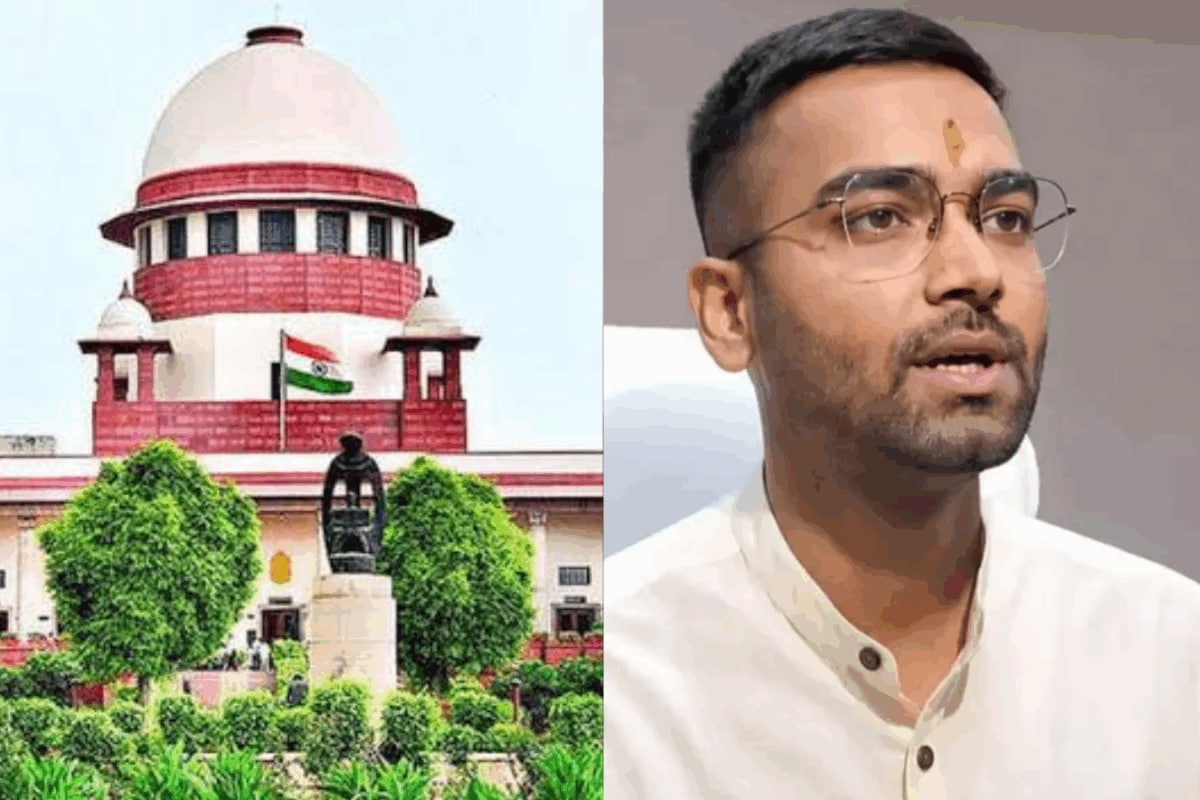
‘How Can An Unelected Minister Continue?’ SC Asks Bihar Govt Over Deepak Prakash's Tenure Published By, Last Updated: July 30, 2026, 12:58 IST Article 164(4) grants ministers a grace period of six months to get elected when appointed by the Prime Minister or a Chief Minister. The petitioner contends that while Prakash has not held office for six consecutive months in his current stint, his total tenure as a minister without being elected has crossed the si month constitutional limit. The Supreme Court on Thursday sought a reply from the Bihar Government explaining how a minister has continued in office for more than six months without being elected to the state legislature. While hearing a petiton challenging the continuance of Bihar Panchayati Raj Minister Deepak Prakash, a bench led by Chief Justice Surya Kant noted that the issue was a “pure question of law" and said the state would have to justify how a minister could remain in office beyond the constitutionally prescribed period without securing election.
“This is a pure question of law. The State will have to explain how a minister is continuing for over six months without being elected," the said as quoted by Lawbeat. The case has been listed for August 4, with the top court indicating that it would not grant unnecessary adjournments as the issue involved constitutional interpretation. What’s The Case? A petiton was filed in the Supreme Court challenging Prakash’s reappointment as minister under Article 164(4) of the Constitution, arguing that the si month grace period available to a non-legislator cannot be repeatedly invoked by resigning and rejoining the Council of Ministers without first getting elected. Prakash was first sworn in as Panchayati Raj Minister on November 20, 2025, under the Nitish Kumar government despite not being a member of either House of the Bihar Legislature. He remained minister for four months and 26 days before that government ended on April 15, 2026. After a gap of 22 days, Prakash was again inducted into the Council of Ministers on May 7, 2026, following the formation of the new government led by Chief Minister Samrat Choudhary, even though he continued to be unelected.
According to the plea, such reappointments amount to a circumvention of constitutional safeguards and undermine representative democracy. The petition has sought declarations that Prakash’s reappointment and continuance in office are unconstitutional, illegal and void, along with directions restraining him from exercising powers attached to the ministerial post. What Law Says? Article 164(4) grants ministers a grace period of six months to get elected when appointed by the Prime Minister or a Chief Minister. It states, “A Minister who for any period of six consecutive months is not a member of the Legislature of the State shall at the expiration of that period cease to be a Minister." So, a minister must quit office if not elected within a period of six months. Article 164(4) has been invoked extensively by ministers and Chief Ministers appointed without holding a seat in the legislature. The standard practice is to then have an elected legislator in a “safe seat" resign so that the minister can contest a by-election.
 The BriefWire