History was kinder: The verdict Manmohan Singh never lived to see
For years, the coal allocation controversy defined the second Congress-led United Progressive Alliance (UPA) government. 'Coalgate' became shorthand for an administration accused of overseeing rampant
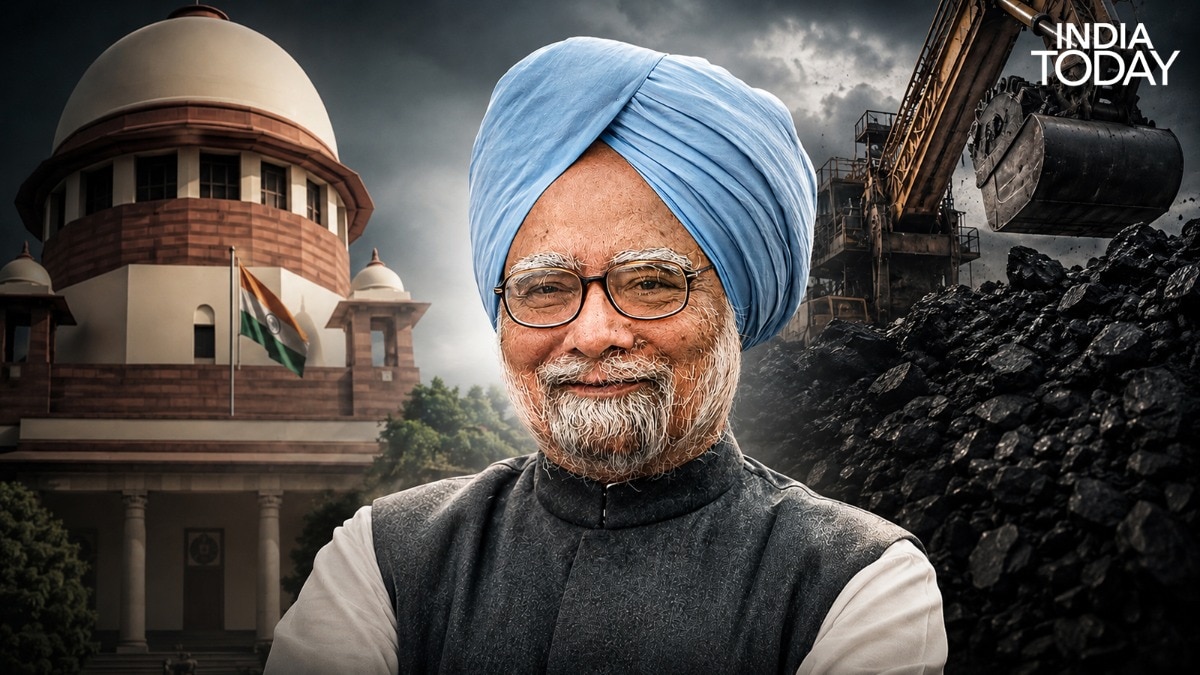
For years, the coal allocation controversy defined the second Congress-led United Progressive Alliance (UPA) government. 'Coalgate' became shorthand for an administration accused of overseeing rampant corruption and policy paralysis. The allegations fuelled the Anna Hazare-led anti-corruption movement, stalled Parliament and took over television debates. It steadily chipped away at the UPA's credibility. Ultimately, it paved the way for the BJP's massive victory in the 2014 general elections. At the centre of that political storm was a reluctant protagonist -- then Prime Minister Manmohan Singh. For a man whose public life was largely defined by personal integrity and intellectual credibility, the years between 2011 and 2014 were brutal. Singh, an economist who steered India out of the 1991 balance-of-payment crisis and oversaw years of rapid economic growth, was suddenly recast as the face of a scandal-ridden government. His quiet demeanour earned him the mocking nickname "Maun Mohan Singh". The opposition painted him as a weak leader who was either unable or unwilling to control his Cabinet. Even though nobody actually accused him of profiting personally from the coal allocations, the controversy severely damaged his image. It temporarily reduced a widely respected statesman to a symbol of government failure. On Wednesday, nearly two years after his death, the Supreme Court finally brought that long chapter to a close. The court accepted the CBI's closure reports in the Talabira-II coal block allocation case. It set aside a 2015 special CBI court order that had summoned Singh as an accused and formally closed the criminal proceedings against him. The verdict clears the former Prime Minister in the very case that clouded his final years in politics. For Singh, it was the judicial validation he waited for, but didn't live to see. Manmohan Singh and Prime Minister Narendra Modi. (Photo: PTI) The case centred on the 2005 allocation of the Talabira-II coal block in Odisha to Hindalco Industries.
At the time, Singh was holding the coal portfolio. After investigating, the CBI found no evidence to warrant prosecution. But in March 2015, after the government in New Delhi had already changed, a special CBI court rejected the agency's findings. The court summoned Singh, industrialist Kumar Mangalam Birla, former coal secretary PC Parakh and others to face trial for criminal conspiracy and offences under the Prevention of Corruption Act. The order was unprecedented. Never before had a former Prime Minister been summoned as an accused in a corruption case based on decisions made in office. Singh immediately challenged the order in the Supreme Court. He argued there was no evidence of criminal intent, no quid pro quo and simply no legal basis to prosecute him. The court stayed the proceedings in April 2015, sending the case into an eleven-year legal limbo. By the time the matter was finally heard, Singh had died on December 27, 2024. Ordinarily, his death might have rendered the appeal moot. Instead, the Supreme Court chose to examine the actual merits of the case. It recognised that the trial court's order had cast a lasting shadow over his legacy. A bench headed by Chief Justice Surya Kant examined both of the CBI's closure reports and concluded the trial court made a mistake in rejecting them. "Having regard to the relevant parameters consistently laid down by this Court on acceptance of reports of the investigating agency, we are satisfied that there was no reason for the learned Judge to turn down the closure reports of the CBI and take cognisance," the bench noted. While the verdict came from a single courtroom, its significance stretches well beyond Talabira-II. Manmohan Singh with Sonia Gandhi and Rahul Gandhi. (Photo: PTI) The broader coal allocation controversy was never just about one block. It became the overarching political narrative of UPA-II after the Comptroller and Auditor General's 2012 report suggested that allocating blocks without competitive bidding might have handed massive notional gains to private companies.
 The BriefWire