Coal Scam Timeline: How Supreme Court Cleared Manmohan Singh 11 Years After He Was Summoned
Why Was Manmohan Singh Summoned In Coal Scam? The 11-Year Timeline To Supreme Court Verdict Published By, Last Updated: July 30, 2026, 12:01 IST The
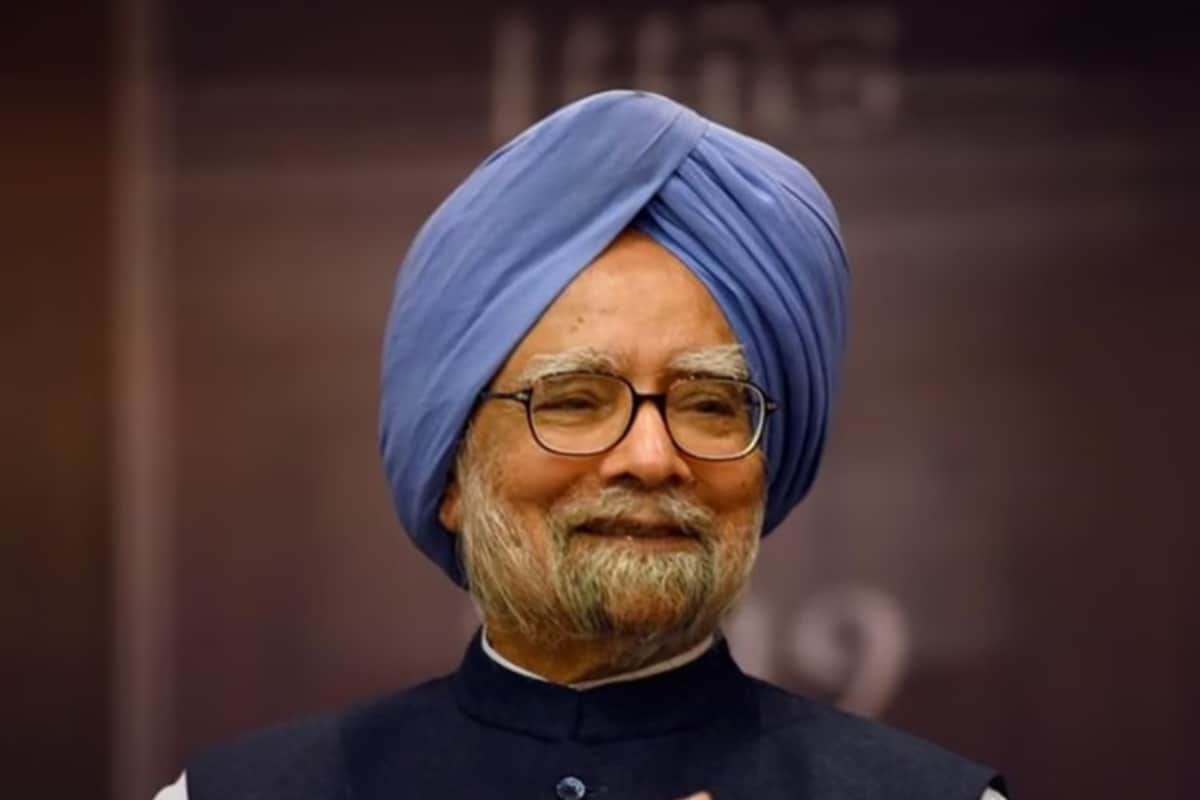
Why Was Manmohan Singh Summoned In Coal Scam? The 11-Year Timeline To Supreme Court Verdict Published By, Last Updated: July 30, 2026, 12:01 IST The Supreme Court on Wednesday ruled that the trial judge had not provided adequate grounds to reject the CBI’s closure reports in the Talabira II coal block case. Rapid Read PM Dr Manmohan Singh More than a decade after the coal allocation controversy became one of the biggest political storms of the UPA era, the Supreme Court has finally brought a crucial chapter to a close. The court set aside a trial court order that had summoned former Prime Minister Manmohan Singh in the Talabira coal block case and accepted the CBI’s closure reports, effectively ending the criminal proceedings against him. The decision has revived an old question: what exactly was Coalgate, and how did a former prime minister move from being accused in court to being cleared years later? Read More: Nearly Two Years After His Death, Supreme Court Clears Manmohan Singh In Coal Scam The case begins in 2012, when the Comptroller and Auditor General (CAG) released a report on the allocation of coal blocks between 2004 and 2009.
The report argued that the government had allocated coal blocks without competitive auctions, potentially causing a huge loss to the exchequer. The opposition seized on the findings, and the controversy soon came to be known as “Coalgate." At the centre of the political attack was Manmohan Singh, who had also held the coal portfolio for a period during his second term as prime minister. The allegation was not that he personally received money, but that irregularities had occurred under his watch. Following the uproar, the Central Bureau of Investigation (CBI) began probing several coal block allocations in 2012. One of these involved the Talabira II coal block in Odisha, allocated to Hindalco. In 2014, the Supreme Court delivered a landmark judgment in the larger coal allocation matter. It held that the allocation process was arbitrary and cancelled 214 coal block allocations made since 1993. This was a major blow to the UPA government’s legacy, though the judgment dealt with the legality of the allocation process and did not by itself establish criminal guilt for Manmohan Singh. That same year, the CBI filed closure reports in the Talabira case, stating that it had found no prosecutable evidence against the former prime minister.
However, the case took a dramatic turn in March 2015. A special CBI court rejected the agency’s closure reports and summoned Manmohan Singh as an accused. The order created a political earthquake: for the first time, a former Indian prime minister was being asked to appear before a trial court in a corruption-related case. Within weeks, the Supreme Court stayed the summons in 2015, preventing further proceedings against Dr Singh while it examined whether the trial court had been justified in rejecting the CBI’s conclusion. What followed was not a rapid legal battle but a long period of pendency. Governments changed, political narratives evolved, and the case remained unresolved for years. Manmohan Singh continued to maintain that he had acted in accordance with established procedures and had done nothing wrong. In December 2024, Singh passed away at the age of 92. The legal question, however, remained before the Supreme Court. Finally, on July 29, 2026, the court ruled that the trial judge had not provided adequate grounds to reject the CBI’s closure reports. It quashed the 2015 summons and accepted the closure reports, bringing the proceedings against Singh to an end.
 The BriefWire