Nothing nice about...: High Court says road project may be state's biggest scam
In a strongly worded judgment, the Karnataka High Court has described the Bengaluru-Mysuru Infrastructure Corridor Project (BMICP), implemented by Nandi Infrastructure Corridor Enterprise (NICE), as
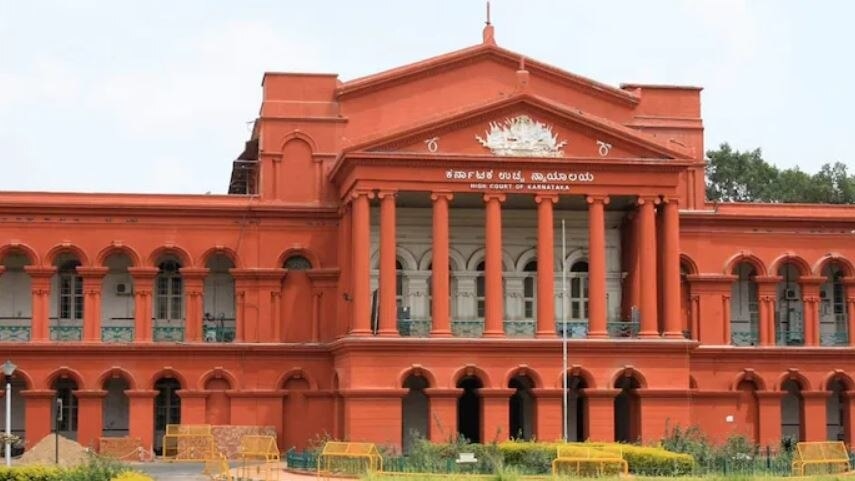
In a strongly worded judgment, the Karnataka High Court has described the Bengaluru-Mysuru Infrastructure Corridor Project (BMICP), implemented by Nandi Infrastructure Corridor Enterprise (NICE), as potentially "one of the biggest scams" in Karnataka. Coming down heavily on the state for the ‘complete failure’ to protect the constitutional rights of thousands of landowners, the Division Bench of Justices DK Singh and TM Nadaf observed that the government had allowed private interests to flourish while farmers were deprived of their property and livelihoods for two decades without receiving compensation. Read Full Story The bench also remarked that there was ‘nothing nice about the NICE project’, saying that the venture appeared to have benefited its promoters far more than the public or affected landowners. The court made the observations while hearing appeals filed by NICE and the Karnataka Industrial Areas Development Board (KIADB) against an earlier order quashing the acquisition of farmers' land due to the prolonged failure to determine and pay compensation.
The judges further mentioned that despite the acquisition of nearly 20,193 acres for the ambitious infrastructure project, compensation awards had not been passed even after 23 years. Rejecting the contention that the acquisition could no longer be challenged because the land had already vested with the state, the High Court ruled that payment of compensation within a reasonable period is a constitutional obligation under Article 300A, which protects the property right. It held that indefinite delays in determining compensation could not be justified merely because acquisition proceedings had formally concluded. The court also questioned the execution of the BMICP, observing that the project had fallen significantly short of its original objectives. The corridor was initially envisioned as a 111-kilometre expressway supported by peripheral and link roads along with five self-sustaining townships.
However, referring to an affidavit submitted by the state government, the Bench noted that only five kilometres of the proposed expressway had been completed despite nearly 26 years having elapsed since the project was conceived. The judges further took note of material placed before the court suggesting that portions of the acquired land had been diverted for commercial transactions and private development agreements instead of being utilised for the purposes for which they were acquired. These findings, the Bench observed, raised serious questions about the manner in which the project had been executed. Describing the case as a possible "fraud on the statute and the Constitution", the High Court said the conduct of the authorities warranted serious scrutiny. It remarked that the matter deserved an independent investigation and a forensic audit of NICE's accounts to examine the handling of the project and the use of acquired land.
 The BriefWire