Inside Trump-Netanyahu Meeting: 3 Options That Could Decide Next Move Against Iran
Inside Trump-Netanyahu Meeting: 3 Options That Could Decide Next Move Against Iran Published By, Last Updated: July 30, 2026, 11:06 IST Netanyahu voiced doubts over
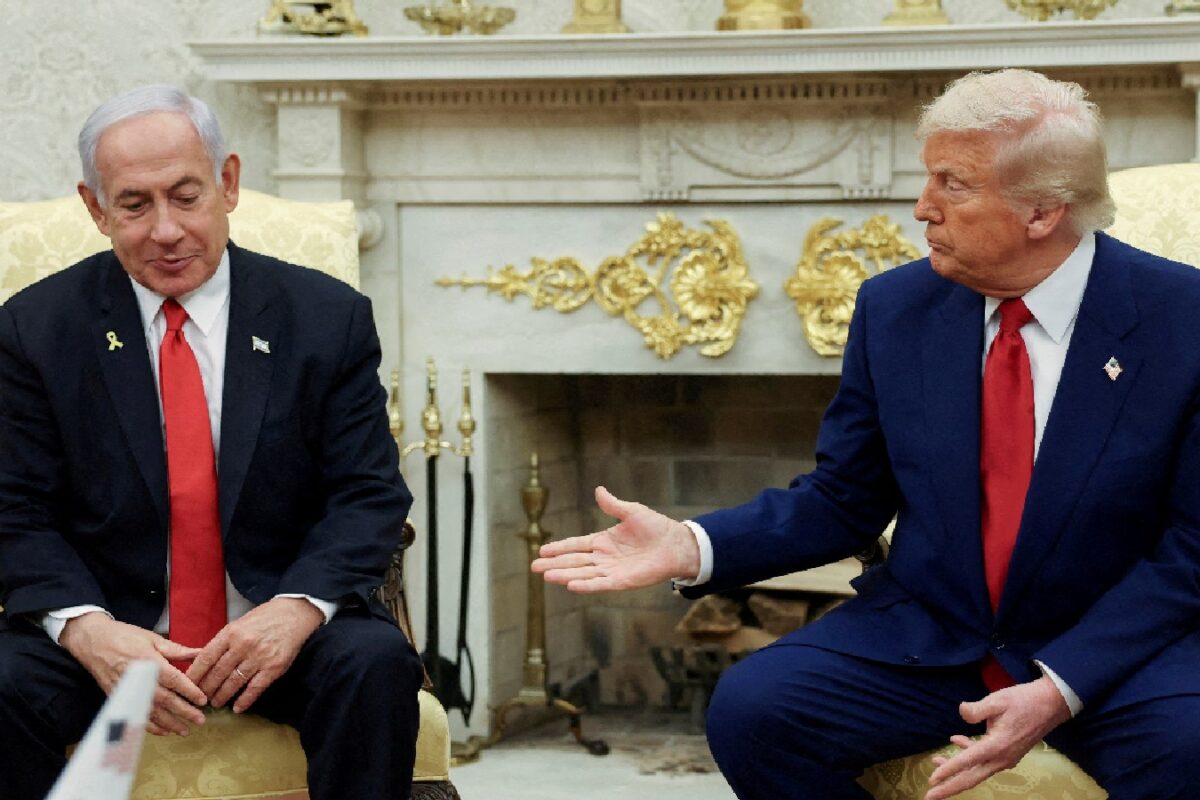
Inside Trump-Netanyahu Meeting: 3 Options That Could Decide Next Move Against Iran Published By, Last Updated: July 30, 2026, 11:06 IST Netanyahu voiced doubts over a deal with Iran but stopped short of pressing Trump to resume large-scale strikes. Rapid Read Benjamin Netanyahu with Donald Trump. (IMAGE: REUTERS) Deal, blockade or renewed military action — these were the three broad options discussed when US President Donald Trump met Israeli Prime Minister Benjamin Netanyahu behind closed doors at the White House on Tuesday. The meeting was the first between the two leaders since the United States and Israel launched attacks on Iran on February 28. It came as the US weighed whether to continue negotiations with Iran, deepen economic pressure or return to large-scale military action. No final decision was taken, Reuters reported, citing a senior Israeli official briefed on the meeting. The official said the final call rested with Trump. Netanyahu expressed doubts about the possibility of reaching an agreement with Iran, but did not urge Trump to choose military escalation. The Israeli side acknowledged that the final call rested with the US president. “In the end, it’s his decision," a senior Israeli official told Reuters. Trump later described the meeting as “very good" and said “many important subjects were discussed". Option One: Keep Negotiating With Iran The first option was to continue diplomatic efforts aimed at restricting Iran’s nuclear programme and addressing its stockpile of enriched material. Axios reported that Trump’s envoys were still negotiating with the Iranian side, although the gaps remained wide. Netanyahu told Trump he was sceptical that a viable agreement could be reached, according to the report.
That scepticism did not amount to a rejection of diplomacy. Netanyahu believed negotiations should be accompanied by “very strong pressures", MS NOW reported, citing a senior Israeli official. “There are ways of squeezing them and squeezing them and squeezing them and negotiating at the same time," the official told the outlet. The Israeli position appears to be that negotiations should not give Iran relief from military or economic pressure. Israel sees Iran’s nuclear programme as its principal security threat and wants guarantees that it cannot develop a nuclear weapon. Iran maintains that its nuclear programme is peaceful and that it is not seeking a bomb. Option Two: Maintain The Blockade And Tighten Economic Pressure The second option was to maintain the naval blockade while further tightening pressure on Iran’s economy. Reuters reported that the two leaders discussed “continuing the blockade and economic pressures". According to Axios, they also examined ways of increasing that pressure through “kinetic and non-kinetic means", although the Israeli official did not elaborate on what those measures would involve. Netanyahu told Trump that Iran was using the Strait of Hormuz as its principal remaining leverage to force concessions from Washington. Trump, however, raised concerns about the impact of the war on energy markets and the global economy, Axios reported. Netanyahu argued that Iran’s economy was already under severe strain. A senior Israeli official cited fuel shortages, diesel supply problems, queues at petrol stations and public frustration. “They’re having fuel supply problems, long lines at gas stations, diesel shortages. There are small protests because the public is very frustrated," the official told Axios. The official also described a debate within Iran’s leadership between those concerned about an economic collapse and hardliners who believed the regime could survive as long as it retained control of its weapons and support base.
 The BriefWire