The Republic of discontent: Seven decades of student revolt in India
How student protests spark ignite national movements and shape politics Why students & why so often 5 movements that define the pattern Gujarat, 1974, brought
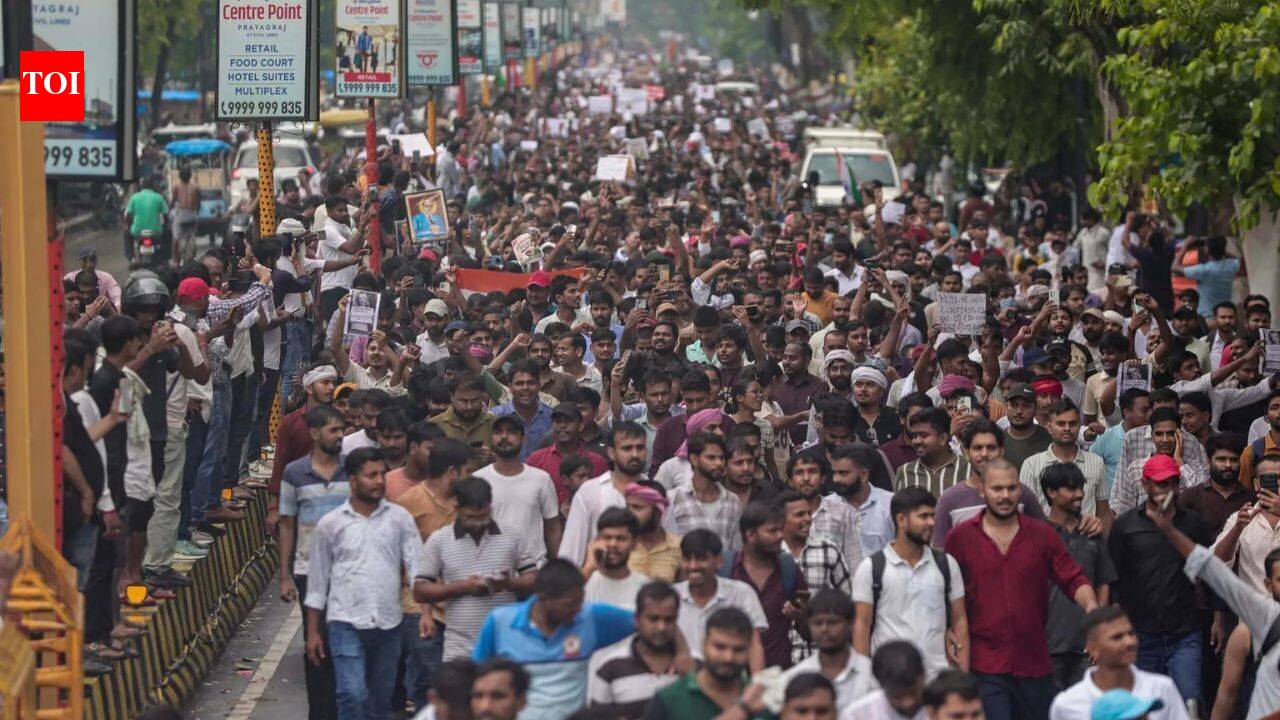
How student protests spark ignite national movements and shape politics Why students & why so often 5 movements that define the pattern Gujarat, 1974, brought down a govt Assam, 1979–85, became a 6-year war of attrition Delhi & Bihar, 1990, turned a policy fight into public self-immolation Delhi, 2019–20, showed how quickly state force can convert a local protest into a national one Delhi, 2026, moved faster than any of the above 8 more that shaped the pattern Bengal, 1959, gave independent India one its first major student agitation Madras, 1965, is the cleanest win on this entire list Telangana, 1969–70 Bihar, 1974–75 Delhi & Mumbai, 2006 Delhi, 2012 Pune, 2015 Hyderabad & Delhi, 2016 The anatomy: What these movements share Small triggers, large fuses State response usually determines the trajectory Self-sacrifice is a distinctly Indian repertoire Success is rare, and usually narrow Join conversation View All Comments → Share your thoughts in the comments Insightful Agree Disagree Skeptical Concerning Promising Worth Reading Big Development Post Comment Be respectful · TOI community guidelines BENGALURU: In May 2026, the Chief Justice of India made an offhand, dismissive remark about unemployed young Indians being like cockroaches. Ten weeks later, a Union minister had resigned, tens of thousands of protesters had marched on Parliament, and a satirical party named after the insult was the biggest story in the country — not necessarily in that order!Nobody involved in that first remark could have predicted where it would end up. That gap, between how small these things start and how large they end up, is the story of Indian student politics itself.It is, in fact, the pattern that connects nearly every major student agitation since independence, laid out in the timeline alongside this piece. A hostel mess-fee hike in Ahmedabad brought down a state govt. A poetry reading on a university lawn became a national argument about sedition.A single self-immolation outside a Delhi college reshaped a decade of caste politics. Indian students, again and again, have turned small, local sparks into fires. Not because the sparks themselves were extraordinary, but because they landed on reservoirs of frustration, economic distress, discrimination, corruption, a sense of being unheard, that were already primed to catch. Few groups in Indian public life have intervened so often, so unpredictably, or with such little warning.India has one of the youngest populations in the world, and its colleges concentrate huge numbers of young people in one place, with time and energy that older, more encumbered protesters often can’t spare — but it isn’t that students have less at stake.It’s that what’s at stake for them is the future itself: the job market they’re about to enter, the country they’re about to inherit, the fairness of the exam or the quota or the citizenship rule that will decide their next decade.Campuses also come with built-in organising infrastructure: hostels, unions, canteens, and, increasingly, group chats that can turn a local grievance into a national one within hours.
 The BriefWire