India's New Space Rules For Private Firms: Casualty Risk Must Be 1 In 10K For Re-Entries From Space
India's New Space Rules For Private Firms: Casualty Risk Must Be 1 In 10K For Re-Entries From Space Published By Last Updated: July 30, 2026
India's New Space Rules For Private Firms: Casualty Risk Must Be 1 In 10K For Re-Entries From Space Published By Last Updated: July 30, 2026, 09:09 IST InSPACe has issued new guidelines meant to ensure safety for individuals on ground from falling debris. Know what these are. Rapid Read India's private space firm regulating agency, InSPACE, has set new guidelines to ensure the risk to individuals from falling debris is minimal. (Image source: X/ @narendramodi) The Indian Space Promotion and Authorisation Centre (IN-SPACe) has issued fresh rules for the planned re-entry of space objects into the Earth’s atmosphere. IN-SPACe, which is the single-window agency that clears private space-sector activities in India, has said that risk to individuals from space objects making re-entry must be one in ten thousand. The guidelines, released on July 23, are titled ‘Norms, Guidelines and Procedures for Implementation of Indian Space Policy-2023 in Respect of Authorisation for Undertaking Planned Re-entry of Space Objects’.
They state that any Indian entity planning to bring a space object back into the atmosphere, whether from within India or abroad, must take prior approval from IN-SPACe. Non-Indian entities must also seek approval through their India-registered arms if they want to carry out planned re-entry. Re-entry refers to the return of a space object into the Earth’s atmosphere, either in a controlled or uncontrolled manner, and with or without recovery. Clear Rules On Approvals The norms say only objects that are designed to survive re-entry or are deliberately brought back will need authorisation. Objects that naturally fall back into the atmosphere due to orbital decay will not need separate approval. “It is clarified that re-entry as part of a post-mission disposal plan, typically due to the natural decay of an orbit, wherein space objects are expected to burn up, melt, fragment, or otherwise be destroyed during atmospheric re-entry to the extent that surviving debris on the ground is minimised in mass, size, and number, shall not require a separate re-entry authorisation.
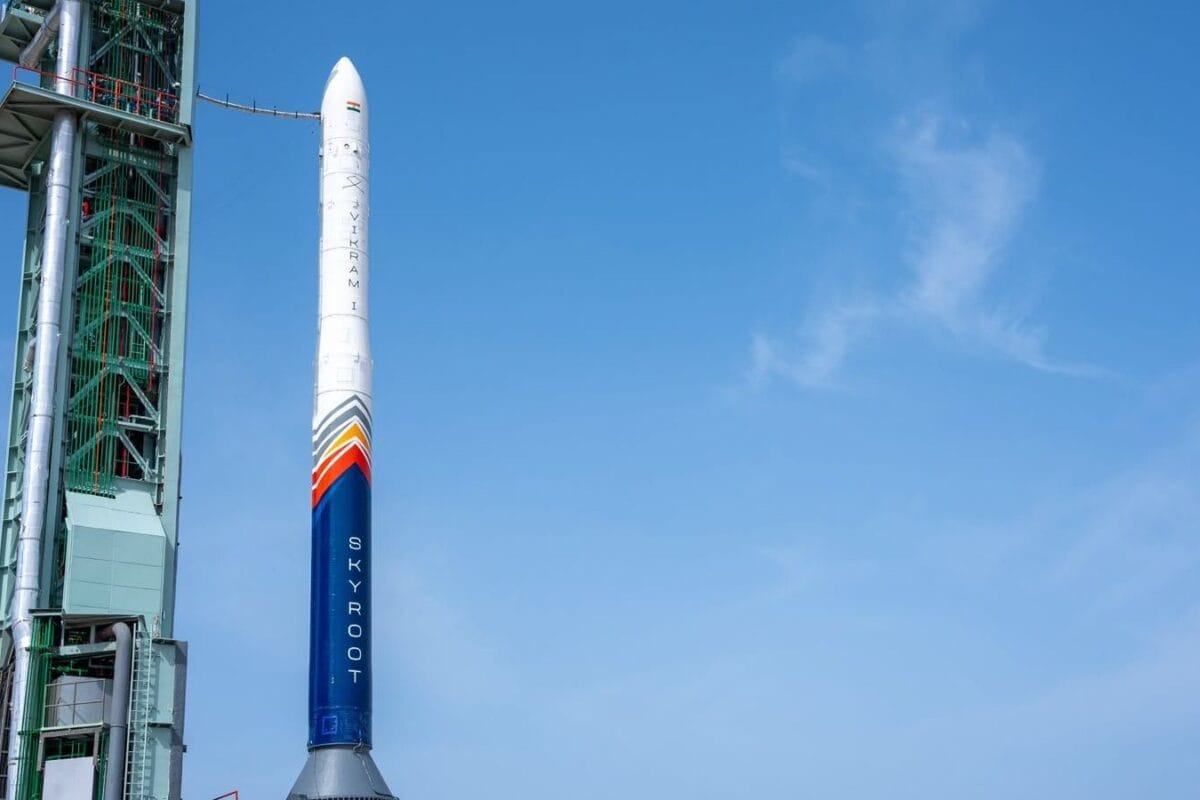
Thus, such re-entry will not warrant authorisation from IN-SPACe," the guidelines state. Safety Norms Tightened The rules stress that re-entry operations must reduce risks to people, property and the environment on land, sea and in the air. “The re-entry shall be conducted in such a manner that the risk of expected casualties due to re-entry activity remains below 1 in 10,000 (threshold risk)," the document says. Entities must also secure a Notice to Airmen (NOTAM) at least 45 days before the planned re-entry begins. The guidelines come just days after India marked a key milestone in its space programme. Vikram-1, the country’s first privately built orbital rocket, was successfully launched into low Earth orbit. News18 Newsletter Handpicked stories, in your inbox A newsletter with the best of our journalism submit First Published: July 30, 2026, 09:09 IST News india India's New Space Rules For Private Firms: Casualty Risk Must Be 1 In 10K For Re-Entries From Space Disclaimer: Comments reflect users’ views, not News18’s.
 The BriefWire