US Fed Keeps Rates Unchanged As Iran War Inflation Pushes 3 Policymakers To Back Hike
US Fed Keeps Rates Unchanged As Iran War Inflation Pushes 3 Policymakers To Back Hike Published By, Last Updated: July 30, 2026, 01:03 IST US
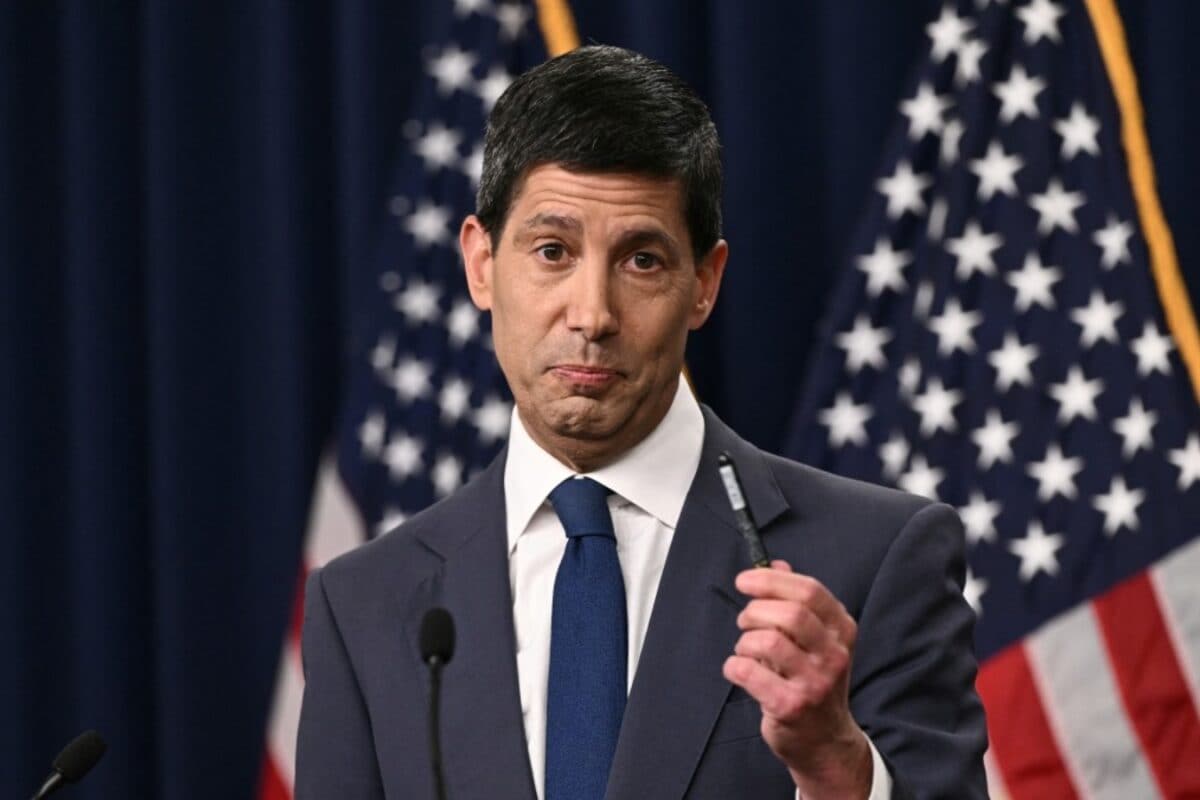
US Fed Keeps Rates Unchanged As Iran War Inflation Pushes 3 Policymakers To Back Hike Published By, Last Updated: July 30, 2026, 01:03 IST US inflation eased to 3.5% annually last month but is expected to rise again due to fluctuations in oil prices linked to President Donald Trump's war on Iran. Chair of the Federal Reserve Kevin Warsh holds a news conference at the William McChesney Martin Jr. Federal Reserve Board Building in Washington, DC. (APF photo) The US Federal Reserve kept interest rates unchanged on Wednesday, but rising inflation linked to the Iran war prompted three of its 12 policymakers to call for a quarter-percentage-point rate increase. The Fed’s policy-setting Federal Open Market Committee (FOMC) kept the benchmark interest rate in the 3.50%-3.75% range for the fifth consecutive meeting. The decision was widely expected by investors, although expectations for a rate hike increased in the days before the meeting as concerns grew over renewed inflation pressures from higher energy and commodity prices.
The Fed’s new chair Kevin Warsh said the US economy was performing well on employment but faced challenges on inflation. “We’re doing pretty well collectively as a country, as policymakers on the full employment side," he said after the meeting. “But we’re doing considerably less well on prices. That’s why we describe them as elevated and that’s what’s taken most of our discussion in terms of transmission mechanisms of monetary policy," he added. Iran war adds to inflation pressure US inflation eased to 3.5% annually last month but is expected to rise again due to fluctuations in oil prices linked to President Donald Trump’s war on Iran, which has pushed up global energy and food costs. The Federal Reserve aims to keep inflation close to its long-term target of 2% while supporting employment. Its main tool is adjusting interest rates — raising them can slow economic activity and reduce inflation, while cutting rates can support growth but may increase price pressures.
Wednesday’s decision means nine policymakers believe the current interest rate level is appropriate for the economy. However, three officials — from the Cleveland, Dallas and Minneapolis Federal Reserve banks — preferred a 0.25 percentage-point hike. The three officials had also pushed for a more restrictive policy position at the Fed’s previous meeting. Officials warn patience on inflation is wearing thin Inflation has remained above the Fed’s target for more than five years, with policymakers increasingly concerned about renewed price pressures. Since March, inflation has climbed to its highest level in three years after the Iran war drove up global energy and fertiliser prices, with some of those increases spreading to other goods. Warsh has said the central bank has “no tolerance" for inflation remaining above target, but has not indicated when the Fed may change course on interest rates. Most investors are now watching for signs of whether the Fed may raise rates in future meetings if inflation continues to rise.
 The BriefWire