Will Bengaluru Face Water Crisis? BWSSB Responds Amid Weak Monsoon
Will Bengaluru Face Water Crisis? BWSSB Responds Amid Weak Monsoon Reported By, Edited By Last Updated: July 29, 2026, 21:05 IST The BWSSB said Bengaluru
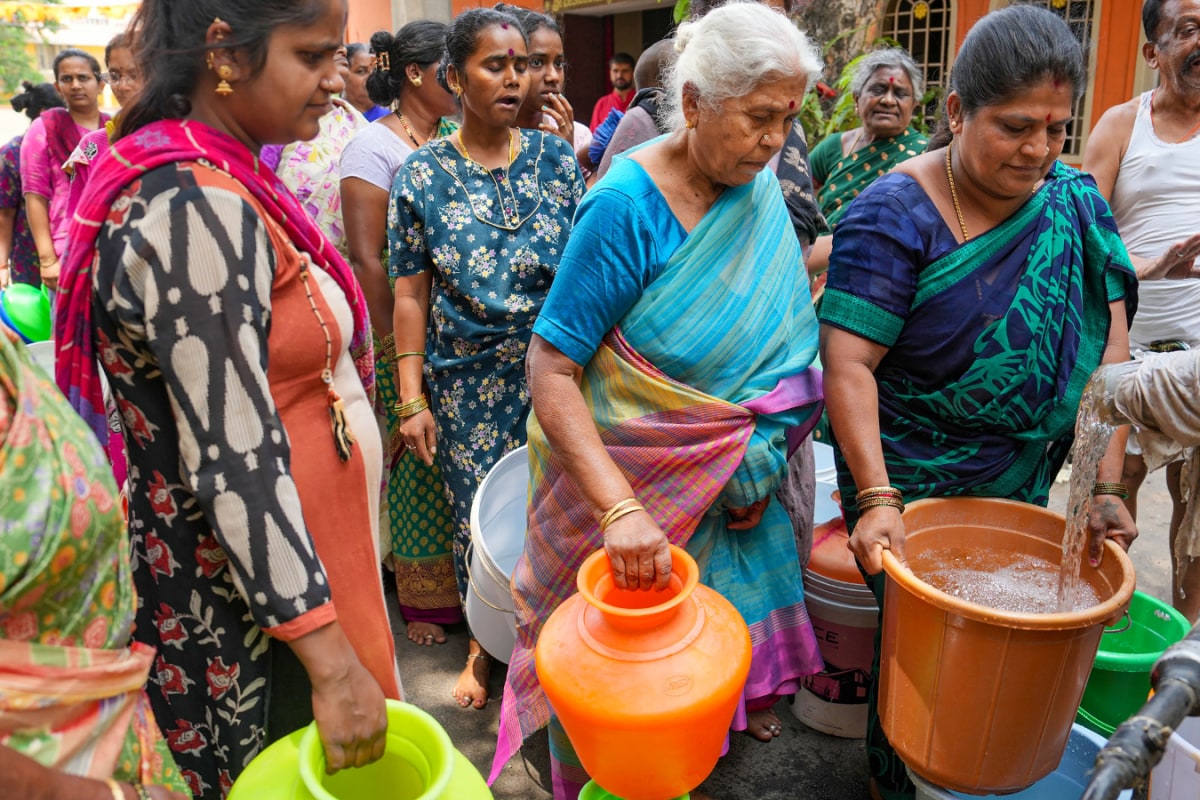
Will Bengaluru Face Water Crisis? BWSSB Responds Amid Weak Monsoon Reported By, Edited By Last Updated: July 29, 2026, 21:05 IST The BWSSB said Bengaluru is not facing an immediate water shortage and has sufficient reserves to meet demand for the next seven to eight months. To avoid a repeat of last year's tanker crisis, the BWSSB says it has significantly strengthened its tanker operations while tightening oversight of private suppliers. (PTI/File) An erratic monsoon and below-normal rainfall in parts of Karnataka have once again raised concerns over Bengaluru’s drinking water security, reviving memories of the severe water crisis that gripped the city last year. However, the Bangalore Water Supply and Sewerage Board (BWSSB) has sought to reassure residents, saying Bengaluru is not facing an immediate water shortage and has sufficient reserves to meet demand for the next seven to eight months. The assurance comes after Bengaluru witnessed one of its worst water crises in recent years in 2024, when drying borewells, shrinking reservoir levels and rising demand forced thousands of residents to rely on private water tankers. In some areas, tanker prices surged to as high as ₹5,000 per trip, triggering allegations of rampant overcharging and exposing the city’s growing dependence on the Cauvery river for drinking water. Reservoir Levels Remain Comfortable BWSSB Chairperson N. Manjula said that although this year’s monsoon has been uneven, moderate rainfall in the Cauvery catchment areas has helped maintain water levels in the Krishnaraja Sagar (KRS) and Kabini reservoirs.
According to the BWSSB, the two reservoirs together currently hold around 223 TMC of water. “Bengaluru’s monthly drinking water requirement is around 2.2 to 2.3 TMC. While factors such as evaporation, transmission losses and water supplied to other towns must also be considered, current storage levels indicate there should be no major issue for the next seven to eight months," Manjula said. She added that the India Meteorological Department’s forecast of additional rainfall during August and September is expected to further strengthen water availability. “There is no immediate cause for concern, but we are prepared," she said. Conservation Measures Stepped Up Despite the relatively comfortable reservoir levels, the BWSSB is intensifying efforts to promote water conservation across the city. The board has been engaging with apartment associations to reduce water wastage, encourage the installation of water-saving aerators and promote the use of treated wastewater for non-potable purposes such as gardening and construction. Large residential complexes equipped with sewage treatment plants (STPs) are also being encouraged to share surplus treated water with neighbouring communities wherever possible. “We recently met representatives of the Bengaluru Apartment Federation. Community participation is critical if we have to use water responsibly," Manjula said. As part of its contingency planning, the BWSSB has identified nearly 1,000 borewells across Bengaluru and is monitoring groundwater levels through sensor-based systems to detect vulnerable areas and respond quickly if water tables begin to fall.
 The BriefWire