Iran signals gas price hike as fuel crisis looms
Iranian authorities want to dampen fuel consumption, but a sudden increase in gasoline prices risks social unrest as many Iranian households are already under severe
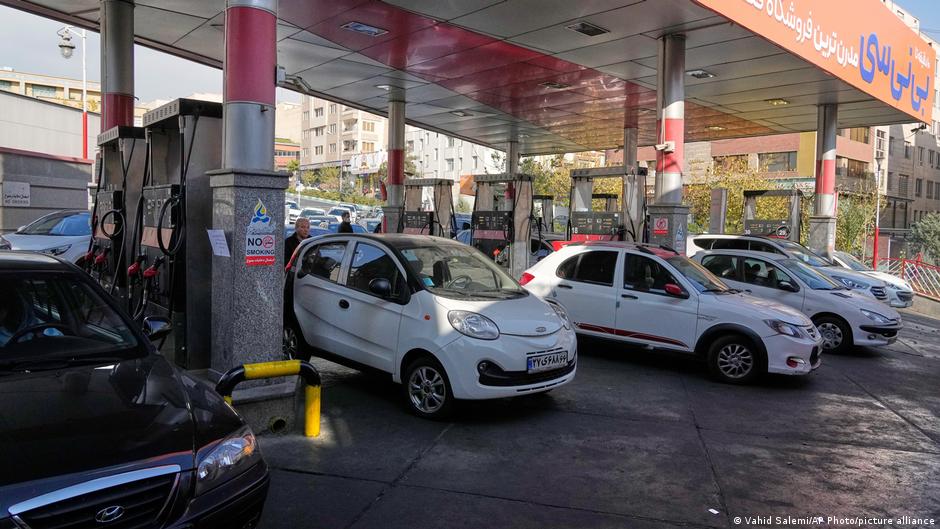
Iranian authorities want to dampen fuel consumption, but a sudden increase in gasoline prices risks social unrest as many Iranian households are already under severe economic pressure. Iran is moving closer to politically sensitive changes in gasoline pricing as the government struggles with a widening gap between domestic fuel production and consumption, exacerbated by the ongoing conflict with the US. On July 25, government spokesperson Fatemeh Mohajerani said changes to fuel prices or rationing are "certain and unavoidable," although officials have yet to confirm whether the response will come through new quotas, higher prices or both. Iran uses a tiered subsidized fuel price system with monthly quotas currently ranging from 1,500 tomans ($0.008) per liter at the lowest rung, to 5,000 tomans ($0.026) at the top. Iranian media have reported the new top rung for gasoline could jump to 10,000 tomans ($0.053) per liter, which would be nearly a 100% increase. The figure has not yet been officially confirmed. Compared to the rest of the world, gasoline in Iran seems very inexpensive. But after years of sanctions and economic malaise, Iranians are also earning a lot less. Fuel may look exceptionally cheap in dollar terms, but so are the incomes used to pay for it. For example, the basic monthly minimum wage in 2026 was set at around 16.6 million tomans, or about $87. Any hike in gas prices comes down hard on households. The last major sudden increase in fuel prices in November 2019 triggered nationwide protests and one of the bloodiest crackdowns in the history of the Islamic Republic. Protesters block a Tehran highway after a fuel price hike in 2019 Image: Babak/MEI/SIPA/picture alliance This time, the government faces another complication.
Iran was already consuming more gasoline than it produced before the US launched the war in February. Damage to fuel infrastructure and restrictions on imports have made that imbalance harder and more expensive to manage. Everyone needs fuel Iranian officials argue that they need to suppress demand for gasoline with higher rates. But critics say that gasoline is a necessity and higher costs will not dampen demand. A resident of Karaj, a small city near Tehran, said that said higher gasoline prices would quickly work their way through the economy, making everything more expensive. "It will cause a chain reaction in the prices of goods and services, and the greatest pressure will ultimately fall on middle and lower-income households," he told DW anonymously for safety reasons. A car that consumes 12 liters per 100 kilometers (19 miles per gallon) will not suddenly become more efficient because gasoline costs more, he said. Without better vehicles or effective public transport, motorists have few alternatives. "Transport fares will go up when fuel becomes more expensive," he added. Black smoke plunges from an oil refinery in Tehran after an airstrike in March 2026 Image: Majid Asgaripour/WANA/REUTERS Umud Shokri, an energy strategist and senior visiting fellow at George Mason University in the US, told DW that pricing could still play a role in reducing fuel consumption, but only as part of a much wider policy. "Higher prices could discourage unnecessary driving and make fuel smuggling less profitable, but they would not solve the crisis by themselves," Shokri said. A gradual increase for consumption above monthly quotas could help control demand, he said. But it would need to be combined with financial support for poorer households and substantial improvements in public transport.
 The BriefWire