What Is Naphtha? The Oil Product Suddenly At The Centre Of Japan’s Panic Buying Fears
What Is Naphtha? The Oil Product Suddenly At The Centre Of Japan’s Panic Buying Fears Published By, Last Updated: May 20, 2026, 13:58 IST From
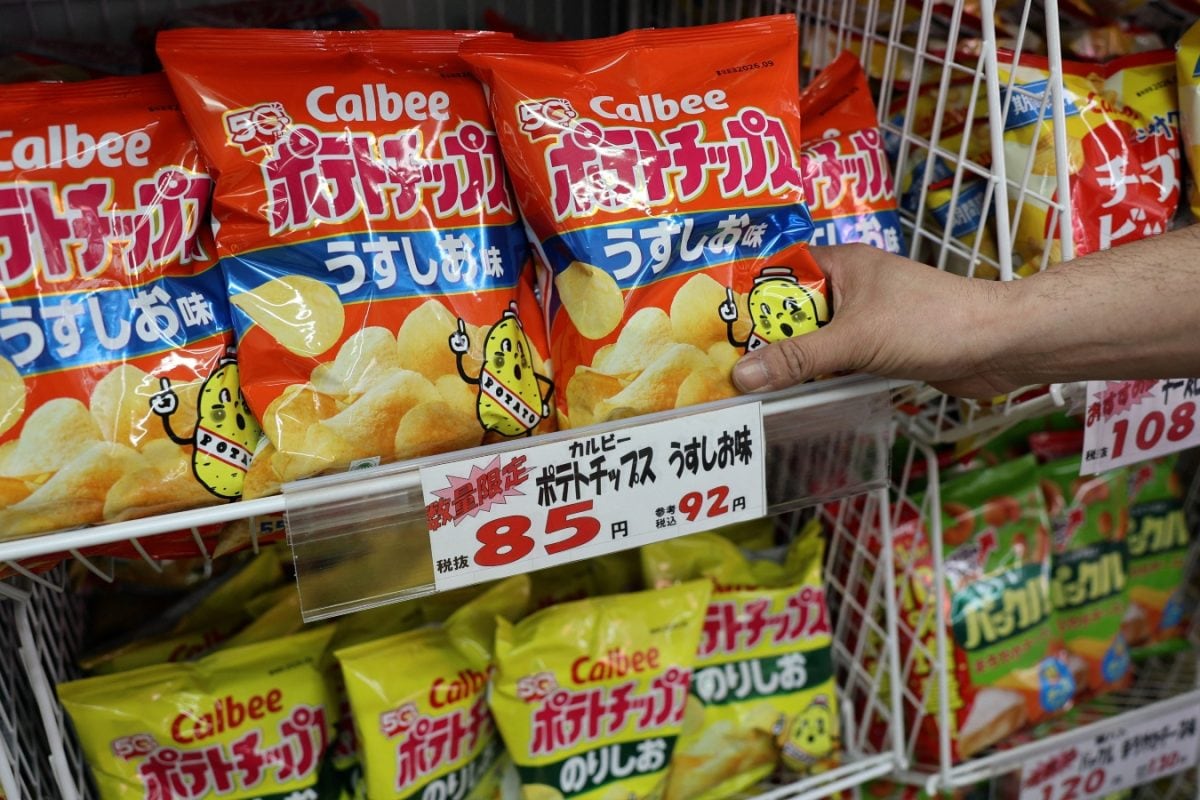
What Is Naphtha? The Oil Product Suddenly At The Centre Of Japan’s Panic Buying Fears Published By, Last Updated: May 20, 2026, 13:58 IST From monochrome potato chip packets to concerns over garbage bags and medical supplies, Japan’s growing anxiety over naphtha shortages is beginning to spill into everyday life. Rapid Read Major snack manufacturer Calbee announced that it would temporarily switch several of its iconic potato chip packets to monochrome packaging. (Reuters) As tensions in the Middle East continue to disrupt global energy markets, Japan is facing an unusual problem: growing public anxiety over a petroleum product that many people in the country had barely heard of until recently — naphtha. The concern has become serious enough for the Japanese government to issue repeated public reassurances, with Environment Minister Hirotaka Ishihara on Friday urging people not to panic-buy household garbage bags amid fears of shortages linked to the supply crunch. “We have secured the necessary supply of garbage bags. Please remain calm and avoid panic buying," Ishihara said at a press conference. The anxiety reflects a larger problem unfolding across Japan’s industrial supply chains. From snack packaging and medical syringes to plastics, detergents, paints and food containers, industries dependent on naphtha are beginning to feel the pressure as the Middle East conflict threatens oil supplies and pushes up prices. The issue has also become politically sensitive for Prime Minister Sanae Takaichi, whose government is trying to contain inflation fears while reassuring the public that essential supplies remain secure. What Is Naphtha? Naphtha is a highly flammable liquid mixture derived mainly from crude oil. While it is used in fuel production, its bigger role is as a raw material in the petrochemical industry. It is used to manufacture a vast range of everyday products including plastics, insulation foam, synthetic rubber, adhesives, detergents, printing ink solvents and packaging materials. It is also used in medical products such as syringes and rubber gloves. In industrial manufacturing, naphtha is processed into basic chemicals such as ethylene, PVC resin and synthetic materials that later move through extensive supply chains. Asia is particularly vulnerable to disruptions because the region is one of the largest markets for Middle Eastern naphtha exports.
Japan, which sources more than 90 per cent of its oil imports from the Middle East, is especially exposed to supply disruptions linked to instability in the region. Why Has Naphtha Suddenly Become A Big Issue In Japan? The term “naphtha" — pronounced “nafusa" in Japanese — only recently entered mainstream public conversation as media outlets began reporting on how disruptions around the Strait of Hormuz could affect supply chains. But the issue truly captured public attention after major snack manufacturer Calbee announced on May 12 that it would temporarily switch several of its iconic potato chip packets to monochrome packaging because of shortages affecting printing materials. The company said the shortage had affected supplies of ink and solvents used for packaging. “Calbee will continue to respond flexibly and promptly to changes in its operating environment, including geopolitical risks, and remains committed to maintaining a stable supply of safe, high-quality products," the company said. The move drew attention because the company’s colourful potato chip packets and its long-running potato mascot — familiar to Japanese consumers since 1976 — would temporarily disappear from the packaging. Calbee said monochrome packs for potato chips and granola products would gradually roll out from May 25. Japanese television networks and newspapers soon began running explainers on what naphtha is and why shortages could disrupt daily life. A recent Kyodo News poll found that more than 70 per cent of respondents were concerned about disruptions to naphtha supplies. Why Is Japan Especially Vulnerable? Japan’s dependence on Middle Eastern energy imports has made the country highly sensitive to disruptions caused by regional conflict. The current concerns stem from fears that instability around key shipping routes, especially the Strait of Hormuz, could disrupt the supply of oil-derived products, including naphtha. At the same time, prices have surged sharply. According to The Guardian, Japan’s wholesale inflation accelerated in April at its fastest pace in three years, while naphtha prices jumped 79.4 per cent. Although Japan maintains substantial strategic stockpiles of petrol, concerns have grown that shortages could spill over into industries that rely heavily on petrochemical materials.
The government has repeatedly insisted that alternative supply routes are being secured and that essential goods remain available. Deputy Chief Cabinet Secretary Kazuhiko Aoki earlier reassured the public that sufficient supplies of naphtha for printing ink had been secured after questions emerged over packaging shortages. Prime Minister Takaichi has also said Japan is working to diversify oil procurement and has resisted broader calls for mandatory reductions in energy consumption. However, concerns persist that supply-chain disruptions may already be spreading beyond fuel markets. Which Industries Are Being Hit? The impact stretches far beyond packaging. Research by Teikoku Databank identified 52 Japanese companies directly using naphtha to produce basic chemical materials. Those materials are then distributed across a massive industrial network involving 46,741 manufacturers — nearly 30 per cent of the roughly 150,000 manufacturing companies covered in the survey. The chemicals, petroleum and coal products sector appears particularly vulnerable. Around 67.2 per cent of companies in that sector are integrated into the naphtha supply chain. Within that group, dependence is especially high among manufacturers producing cyclic intermediates used in plastics, synthetic fibres, dyes, pharmaceuticals, cosmetics and agrochemicals. The same applies to companies producing synthetic adhesives and surfactants used in products such as automotive paint and household detergents. The shortage is also affecting industries that do not appear directly connected to petrochemicals. In the paper sector, more than 80 per cent of companies producing coated paper used in fast-food packaging and paper cups are reportedly linked to the supply chain. Food companies have already begun adapting. Japanese food manufacturer Mizkan suspended sales of four nattō (a traditional fermented soybean dish) products on May 1, citing concerns over procuring packaging containers. Meanwhile, Nisshin Seifun Welna, a major pasta and flour-products manufacturer, began using plain packaging tape for spaghetti products after earlier versions with printed cooking instructions became difficult to produce. According to a report by Nippon, the effects are also being felt in healthcare and housing, with shortages emerging in products such as syringes and rubber gloves used in medical and nursing care. Residential insulation materials and food-packaging films are also seeing price increases and supply pressure, while supply-chain disruptions are beginning to affect sectors including construction, dry cleaning, food processing and paint manufacturing.
Why Are Garbage Bags Becoming Part Of The Crisis? One of the clearest signs of public anxiety emerged around garbage bags. Many household trash bags in Japan are made using polyethylene derived from naphtha. Since several Japanese municipalities require residents to use designated garbage bags, concerns about shortages quickly triggered stockpiling in some areas. According to Japan’s Environment Ministry, shipment volumes from major manufacturers in April rose to between 1.1 and two times the previous year’s levels, while some regions reportedly saw purchases surge up to three times. Some municipalities have already allowed residents to dispose of waste in non-designated bags to ease concerns. The ministry has said that overall supply levels are expected to remain comparable to last year’s levels. Is The Crisis Hurting Takaichi Politically? The issue is also becoming politically delicate for Takaichi’s government. Kyodo News polling showed the cabinet’s approval rating slipping 2.5 percentage points to 61.3 per cent. While that still remains relatively strong, the decline comes amid growing public concern over inflation and shortages linked to the Middle East crisis. More than 70 per cent of respondents in the poll said the government should encourage energy conservation measures. However, it remains unclear how much of the public directly blames the government for the situation, given that the crisis is being driven largely by external geopolitical developments. News18 Newsletter Handpicked stories, in your inbox A newsletter with the best of our journalism submit First Published: May 20, 2026, 13:58 IST News world What Is Naphtha? The Oil Product Suddenly At The Centre Of Japan’s Panic Buying Fears Disclaimer: Comments reflect users’ views, not News18’s. Please keep discussions respectful and constructive. Abusive, defamatory, or illegal comments will be removed. News18 may disable any comment at its discretion. By posting, you agree to our Terms of Use and Privacy Policy Loading comments...
 The BriefWire