Often called Japan's Titanic, the 1954 sinking of Toya Maru claimed more than 1,500 lives and reshaped ferry safety
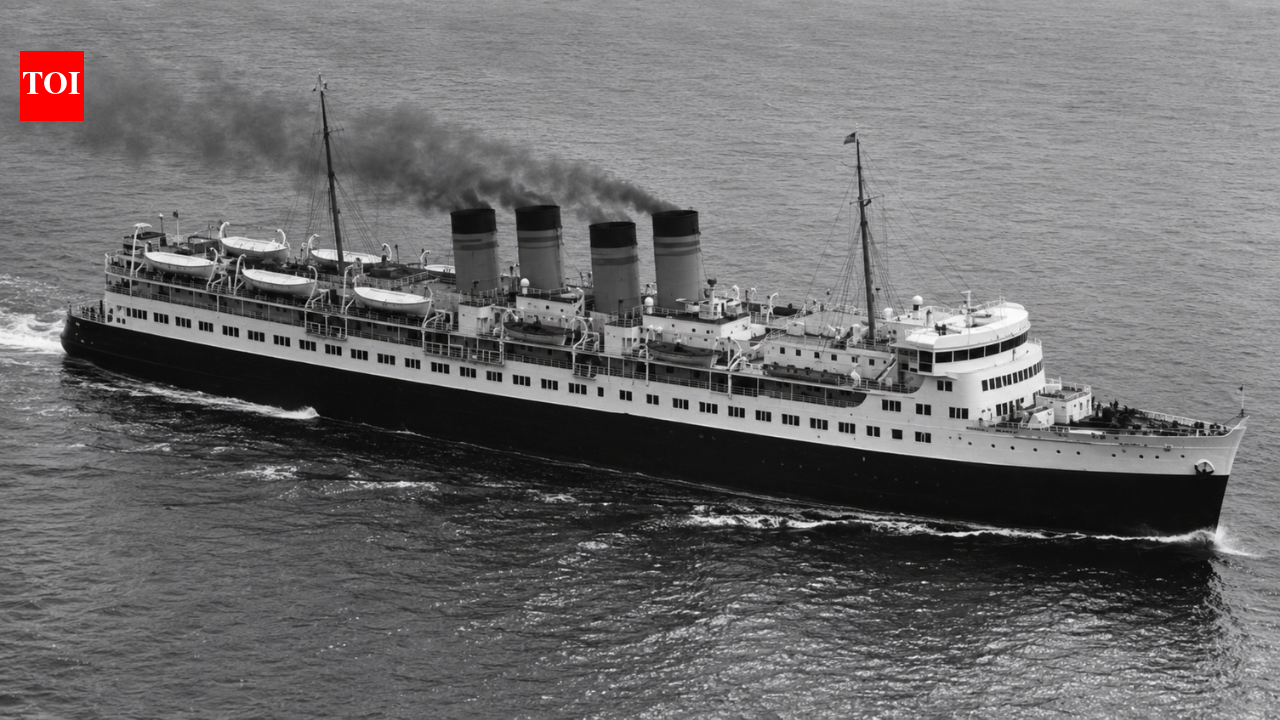
Image: Maritime Cyprus A routine crossing that became a catastrophe for Toya Maru Why Typhoon Marie proved so devastating More than 1,500 lives were lost
Image: Maritime Cyprus A routine crossing that became a catastrophe for Toya Maru Why Typhoon Marie proved so devastating More than 1,500 lives were lost in the tragedy How the disaster changed Japanese maritime safety A tragedy remembered more than 70 years later On the evening of 26 September 1954, the Japanese passenger ferry Toya Maru prepared to cross the Tsugaru Strait, the narrow but often treacherous stretch of water separating the islands of Honshu and Hokkaido. Thousands of passengers relied on ferries to make the crossing long before the construction of the Seikan Tunnel, and despite worsening weather caused by Typhoon Marie, known in Japan as the Toya Maru Typhoon, the vessel initially attempted to maintain its schedule. Within hours, the ferry capsized and sank near Hakodate Harbour, claiming the lives of more than 1,500 people. The tragedy remains one of the worst peacetime maritime disasters in Japanese history and fundamentally reshaped the country's approach to passenger ferry safety.The Toya Maru, operated by Japanese Railways (JNR), was carrying passengers, railway staff and cargo between Aomori and Hakodate, one of Japan's busiest ferry routes at the time. As Typhoon Marie approached northern Japan, winds strengthened rapidly, and sea conditions deteriorated.According to the Australian Association of Master Mariners, the ferry initially delayed its departure while awaiting an improvement in the weather.Believing the typhoon had begun moving away, the captain decided to leave Hakodate Harbour.
However, the storm unexpectedly changed course, exposing the vessel to violent winds and powerful waves almost immediately after departure.The deteriorating conditions forced the ferry to attempt a return to harbour, but by then the sea had become too rough for safe manoeuvring. Strong winds pushed the vessel away from shelter while heavy seas repeatedly battered its hull. Eventually, Toya Maru lost stability, grounded near the harbour entrance and capsized before sinking. The disaster unfolded within a matter of hours amid darkness, torrential rain and hurricane-force winds.Typhoon Marie battered northern Japan with an intensity that caused violent winds, waves and storm surges which ravaged the ports and coastal facilities of the region.This incident did not impact only Toya Maru. Other ferries that operated within the Tsugaru Straits were also caught up within the typhoon, with several ships either going down or sustaining serious damage. All in all, there were thousands of people caught up within this severe maritime storm, which Japan had not seen for years.The rapid changes in the weather conditions, the lack of forecasting methods and the open nature of the Tsugaru Straits transformed this manageable delay into a national disaster.The sinking of Toya Maru resulted in the deaths of more than 1,500 individuals, thus being one of the most deadly civil maritime tragedies in the history of Japan.
 The BriefWire