Germany: How effective are exit programs for Islamists?
Germany has set up many programs to help individuals break away from the radical Islamist scene. Following the Islamist terror attack on Berlin's Pride event
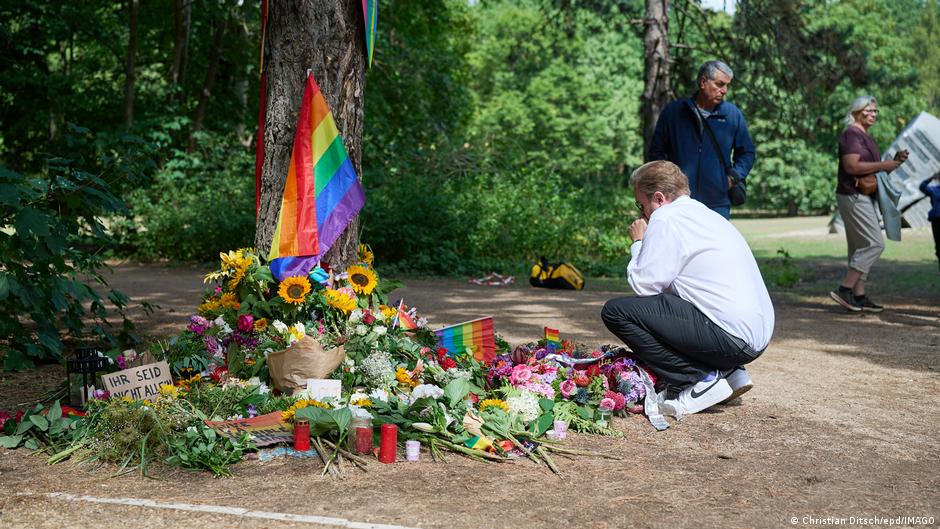
Germany has set up many programs to help individuals break away from the radical Islamist scene. Following the Islamist terror attack on Berlin's Pride event, critics say the programs are ineffective. Following Saturday's deadly attack by suspected Islamist assailant Abdul B. against Berlin's Pride event, a debate has erupted in Germany over what lessons the country should draw from the incident. The 21-year-old, who was later shot and killed by police while he was on the run, had had two intake interviews in June and July as part of a deradicalization program in Berlin. However, according to Thomas Mücke, executive director of the Violence Prevention Network, it did not appear that Abdul B. genuinely wanted to turn his back on the Islamist scene — and it is unlikely that he would have been accepted into the program. Similar cases have also occurred periodically in the Islamism Exit Program (API). "We then have to conclude that assistance in exiting is not possible at that point because we have no reason to believe the individual actually wants to distance themselves." API exit program counselor and social worker Stefanie Adler* tells DW. The Islamism Exit Program API is based in Germany's most populous state of North Rhine-Westphalia, was established in 2014 to support people who want to break away from Islamist circles, including many who are considered potential threats by security services. Berlin attack: When deradicalization programs don't work To view this video please enable JavaScript, and consider upgrading to a web browser that supports HTML5 video "What we've seen over the past two years is that we're dealing with younger and younger individuals.
In the past, we saw people traveling to Syria, and it was more or less clear that they went there and joined the Islamic State, became radicalized in the real world," Adler explains. Today, she says, they are younger, and they are often radicalized through digital media. "Social media acts as an amplifier for radicalization — and it happens much faster," Adler adds. Deradicalization is a 'long and arduous process' Some individuals do not approach the API on their own initiative, while other potential candidates are reported to the police or youth court services by contact persons in correctional facilities. "We then take a closer look at the person," said API deradicalization counselor and psychologist Viola Geiger*, "gather information, and begin the counseling process — initially on a weekly basis, and toward the end, sometimes every few months. It's definitely a lengthy process." Calls for political consequences after Berlin Pride attack To view this video please enable JavaScript, and consider upgrading to a web browser that supports HTML5 video Once an individual has credibly distanced themself from violence as a legitimate course of action and learned to cope with crisis situations on their own, they are considered successfully deradicalized and their cases are closed. But achieving this requires patience and persistence. In one case, API exit program counselors worked with one individual for as long as seven years. In spite of these challenges, says Stefanie Adler, deradicalization programs are absolutely essential. "What would be the alternative if these programs didn't exist? Many people who are released from prison after serving a sentence need such programs to reintegrate into society," said Adler.
 The BriefWire