Hormuz-Red Sea double whammy for India
India's energy security remains highly vulnerable to disruptions at the Strait of Hormuz and the Red Sea, with a simultaneous closure of both chokepoints capable
India's energy security remains highly vulnerable to disruptions at the Strait of Hormuz and the Red Sea, with a simultaneous closure of both chokepoints capable of pushing Brent crude prices to USD 130-135 per barrel, according to a report by CareEdge Ratings released on July 29, 2026.40% of crude imports at riskAround 40% of India's crude oil imports and a significant share of its LNG and LPG supplies depend on the Strait of Hormuz, the rating agency said. Brent crude had already peaked at around USD 115 per barrel in May 2026 following disruptions at the strait, and currently stands at USD 100 per barrel.Also read: Govt plans Rs 80,000 crore package to attract deepwater oil explorersCareEdge Ratings said the ongoing West Asia conflict has triggered an unprecedented energy shock for India since March 2026. While diversified sourcing, particularly from Russia, has helped secure oil supplies so far, the report noted that economic fallout is mounting, with war-risk insurance premiums surging by up to 1,000% following disruptions at Hormuz and the Bab-el-Mandeb Strait.Houthi threat adds to Red Sea riskThe report flagged escalating threats from the Houthi movement in Yemen, which has warned of disruptions to Red Sea maritime traffic and reportedly carried out attacks on Saudi oil vessels.
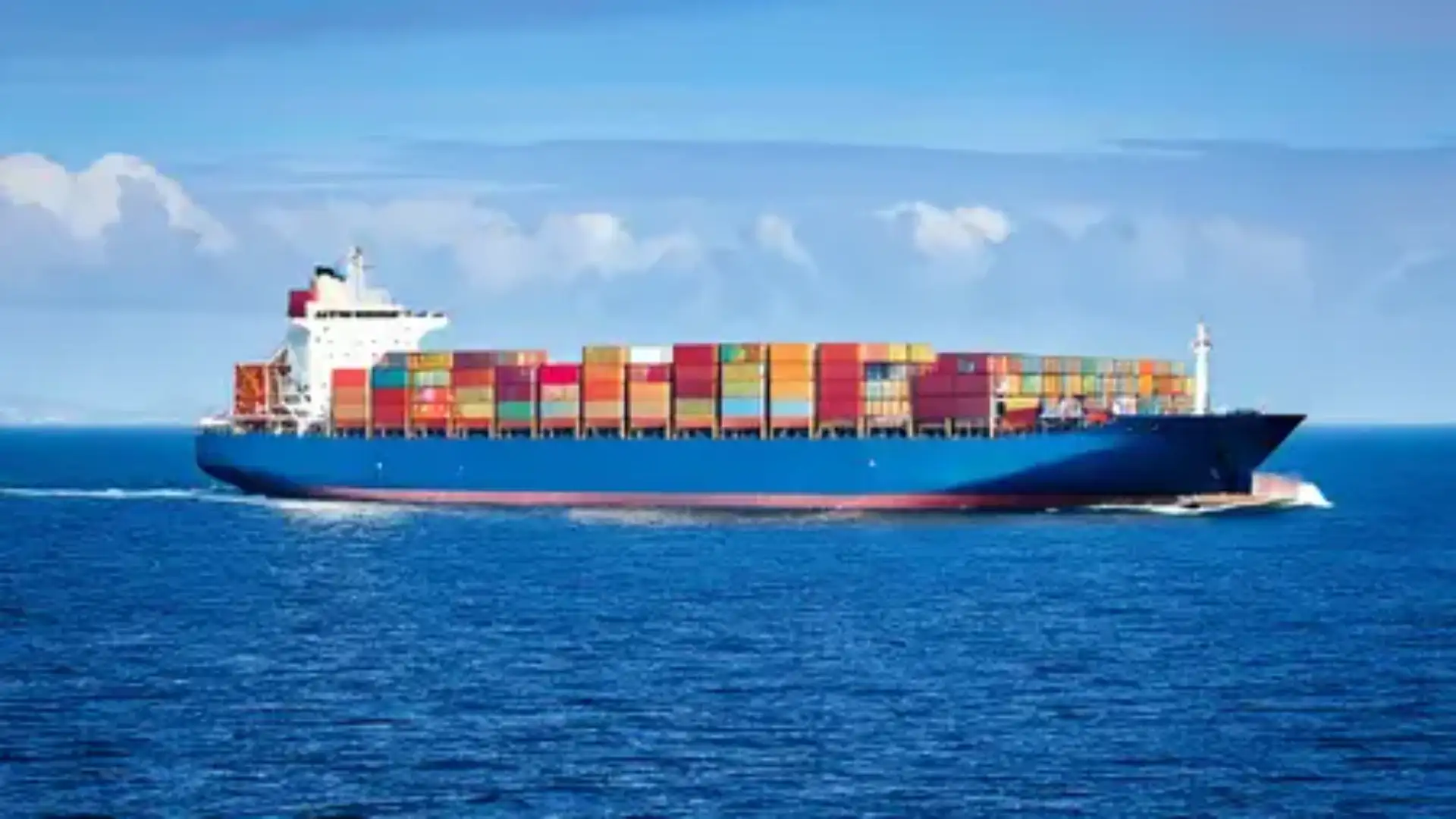
It further noted that Iran has instructed the Houthis to prepare for the closure of the Bab-el-Mandeb Strait in the event of US military strikes on Iranian infrastructure.CareEdge said this "dual-threat scenario" poses a severe risk to global logistics, energy supply chains and India's macroeconomic stability, given that roughly 50% of India's exports and 30% of its imports pass through the Red Sea region.Impact on inflation, rupee and tradeAccording to the report, a sustained rise in crude prices would widen India's current account deficit, add upward pressure on inflation, increase depreciation pressure on the rupee, and raise hedging and input costs for import-dependent sectors. Sectors flagged as vulnerable include crude oil, petroleum products, LPG, fertilisers, aviation, basmati rice and plastic polymer-based packaging.The report also warned that rerouting container traffic via the Cape of Good Hope could extend delivery timelines by 2-3 weeks and raise logistics costs, with perishable goods, food grains and low-margin cargo segments facing the greatest pressure due to limited ability to absorb higher transportation costs.Smaller firms more exposed: CareEdgePriti Agarwal, Senior Director at CareEdge Ratings, said a simultaneous closure of the Strait of Hormuz and the Red Sea, even for a few weeks, could trigger a sharp surge in global energy prices, with Brent crude potentially rising to USD 130-135 per barrel and LNG supplies across Asia and Europe coming under significant strain.
 The BriefWire