Anti-paper leak bill passed in Lok Sabha amid uproar by Opposition
The Lok Sabha on Wednesday passed the Public Examinations (Prevention of Unfair Means) Amendment Bill, 2026 by voice vote, clearing a key legislative response to
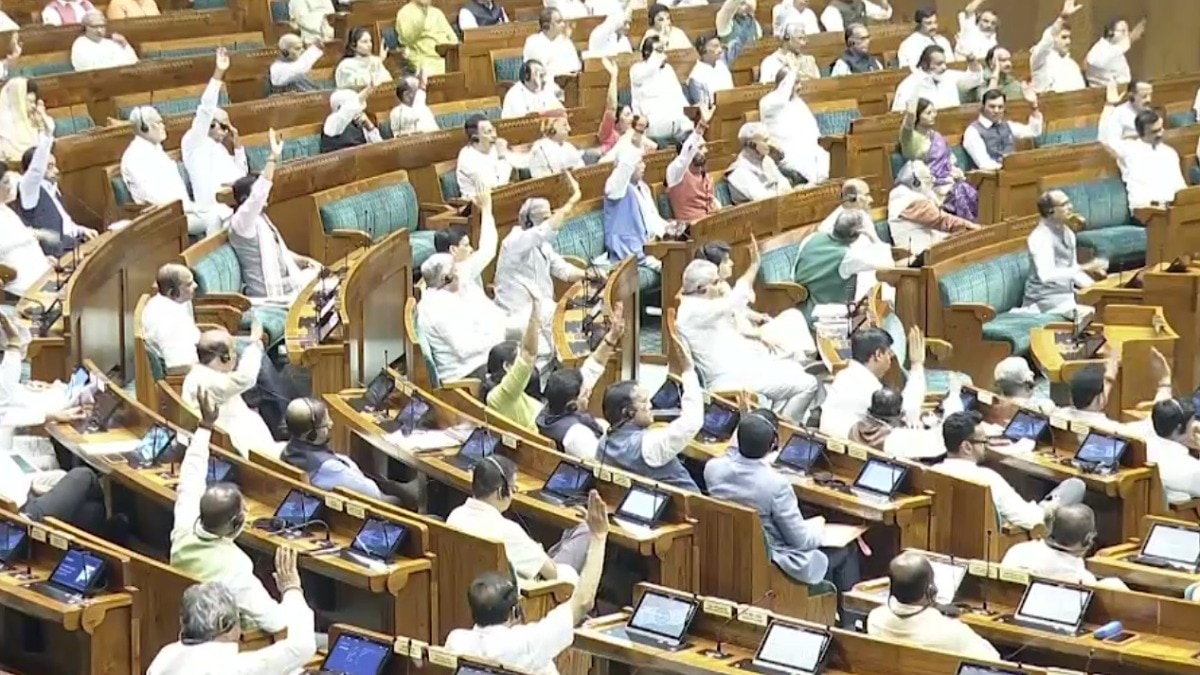
The Lok Sabha on Wednesday passed the Public Examinations (Prevention of Unfair Means) Amendment Bill, 2026 by voice vote, clearing a key legislative response to the nationwide anti-paper leak protests that rocked the country over the past month. The Bill, which now awaits passage in the Rajya Sabha, seeks to establish fast-track courts in every state to exclusively try paper leak cases and mandates that investigations be completed within two months. Read Full Story It also significantly enhances punishment for offenders, prescribing imprisonment of up to 10 years and fines of up to Rs 50 lakh for individuals found guilty of leaking examination papers. Organised paper leak syndicates could face penalties of up to Rs 10 crore. WHY THE BILL WAS BROUGHT The legislation comes in the wake of a massive nationwide agitation against the alleged NEET paper leak led by the Cockroach Janta Party (CJP), which began at Delhi's Jantar Mantar on June 20 and gathered momentum after activist Sonam Wangchuk joined an indefinite fast on June 28.
The movement reached a flashpoint on July 20 when police stopped protesters marching towards Parliament, triggering allegations of excessive force, including claims that pellet guns were used against students. Delhi Police has denied using pellet guns during the protest, while the CRPF has not publicly responded to allegations involving the Rapid Action Force. The 36-day agitation ended on Saturday after the government accepted several key demands of the protesters, including the resignation of Dharmendra Pradhan. RAHUL GANDHI SLAMS AMIT SHAH The Bill's passage came after a stormy debate in the Lok Sabha, with repeated disruptions over Leader of Opposition Rahul Gandhi's allegation that Union Home Minister Amit Shah had authorised the use of force against students during the CJP protest at Jantar Mantar. Participating in the debate, Gandhi alleged that Shah, who was absent from the House at the time, was responsible for the police action against protesting students.
"The Home Minister ordered the shooting of our students. He put pellets into the blood of our students. He ordered the students of India to be shot," Gandhi said. He further claimed that "the use of force can only be authorised by the Minister or the Prime Minister." GOVT HITS BACK AT RAHUL GANDHI His remarks triggered immediate protests from the Treasury benches, with Parliamentary Affairs Minister Kiren Rijiju demanding that Gandhi substantiate the allegation. BJP and NDA MPs accused the Congress leader of making baseless charges against the Home Minister, leading to sloganeering and brief disruptions. They also demanded an apology, while Lok Sabha Speaker Om Birla reminded Gandhi that allegations made in the House must be backed by evidence. Replying to the debate, Union Minister Jitendra Singh rejected Gandhi's allegations as "factually incorrect", asserting that no bullets were fired and no order to open fire had been issued during the protest.
 The BriefWire