India’s Top-Ranked Airport Has Zero Flights. Here’s Why It's Still Highest-Rated
India’s Top-Ranked Airport Has Zero Flights. Here’s Why It's Still Highest-Rated Published By, Last Updated: July 29, 2026, 15:12 IST Khajuraho Airport, despite no commercial
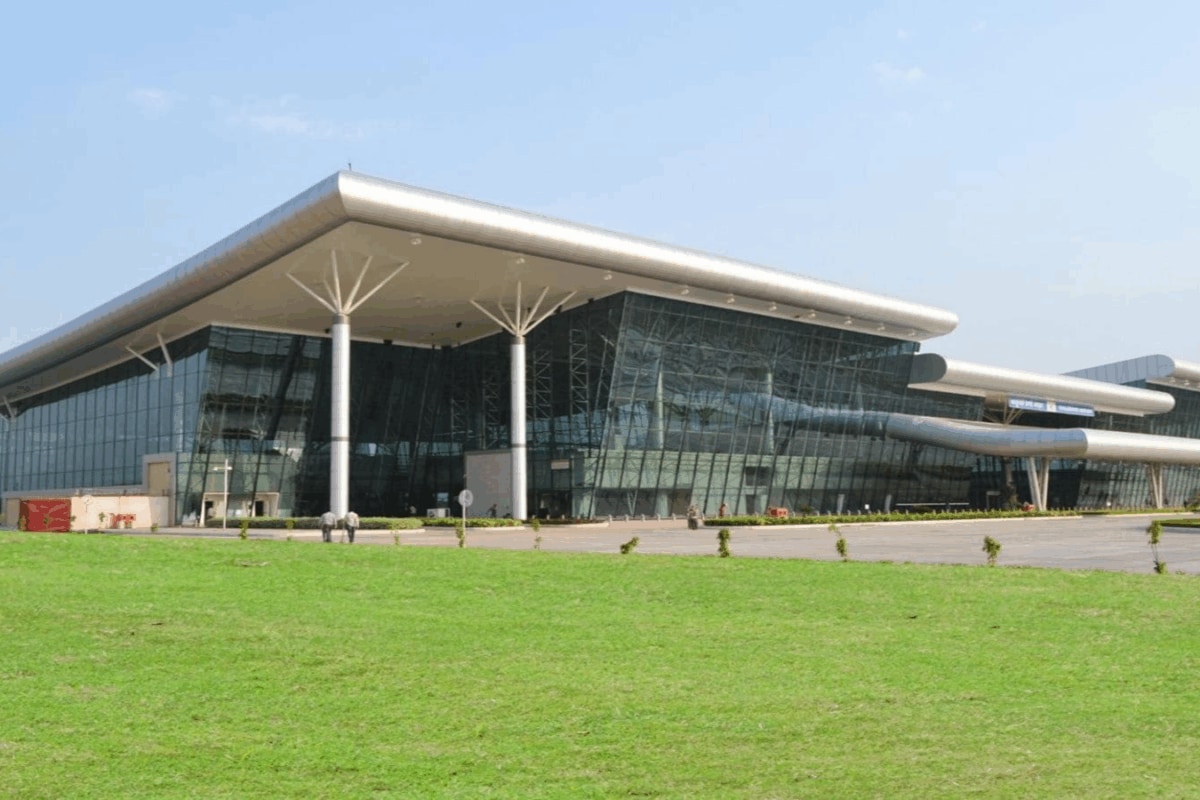
India’s Top-Ranked Airport Has Zero Flights. Here’s Why It's Still Highest-Rated Published By, Last Updated: July 29, 2026, 15:12 IST Khajuraho Airport, despite no commercial flights, is India's highest-rated for customer satisfaction, outperforming busier hubs due to its focus on passenger experience. Image of Khajuraho Airport in Madhya Pradesh. Khajuraho Airport in Madhya Pradesh has emerged as India’s highest-rated airport for customer satisfaction despite having no commercial flights operating at present, according to a report by The Times of India (TOI). The ranking was released as part of the Airports Authority of India’s (AAI) latest Customer Satisfaction Index (CSI). According to the report, Khajuraho Airport has had no scheduled commercial flights since July 1 and is expected to remain without services through August. Before operations were suspended, the airport handled just two flights connecting the UNESCO World Heritage town with Delhi and Varanasi. The services to both destinations are expected to resume in October. Despite the lack of flights, the airport outperformed several of India’s busiest aviation hubs in AAI’s biannual passenger satisfaction survey. The report noted that while the terminal building dates back to the late 1960s, the airport’s first commercial flight reportedly took off only in 1978.
Why Did Khajuraho Rank No. 1? The answer lies in how the Customer Satisfaction Index is designed. Unlike rankings based on passenger traffic, flight connectivity or the number of airlines operating, the CSI evaluates the quality of the passenger experience. Conducted twice a year by independent agencies on behalf of AAI, the survey asks travellers to rate airports across 33 service parameters, including cleanliness, terminal upkeep, parking facilities, signage, baggage handling, security checks, seating, Wi-Fi, food options, accessibility and staff behaviour. Also Read: Flying Abroad From Tier-II Cities Just Got Easier: Here’s How India’s New Hub-and-Spoke Model Works Passenger responses are combined with assessments of hygiene, washroom facilities, ambience and customer service to produce a composite score out of five. Because the survey measures service quality rather than operational scale, smaller airports can outperform much larger ones if they offer a cleaner, more efficient and hassle-free experience. Why Smaller Airports Have An Advantage The report noted that India’s largest airports face pressures that smaller facilities largely avoid. According to the Directorate General of Civil Aviation (DGCA), domestic airlines carried nearly 166 million passengers in 2024, while Indian airports handled over 400 million passengers, including international traffic.
 The BriefWire