Hezbollah Said No To A Partial Ceasefire, Then Said Yes To A Full One. What Changed In 12 Hours?
Hezbollah Said No To A Partial Ceasefire, Then Said Yes To A Full One. What Changed In 12 Hours? Written By, Last Updated: June 02
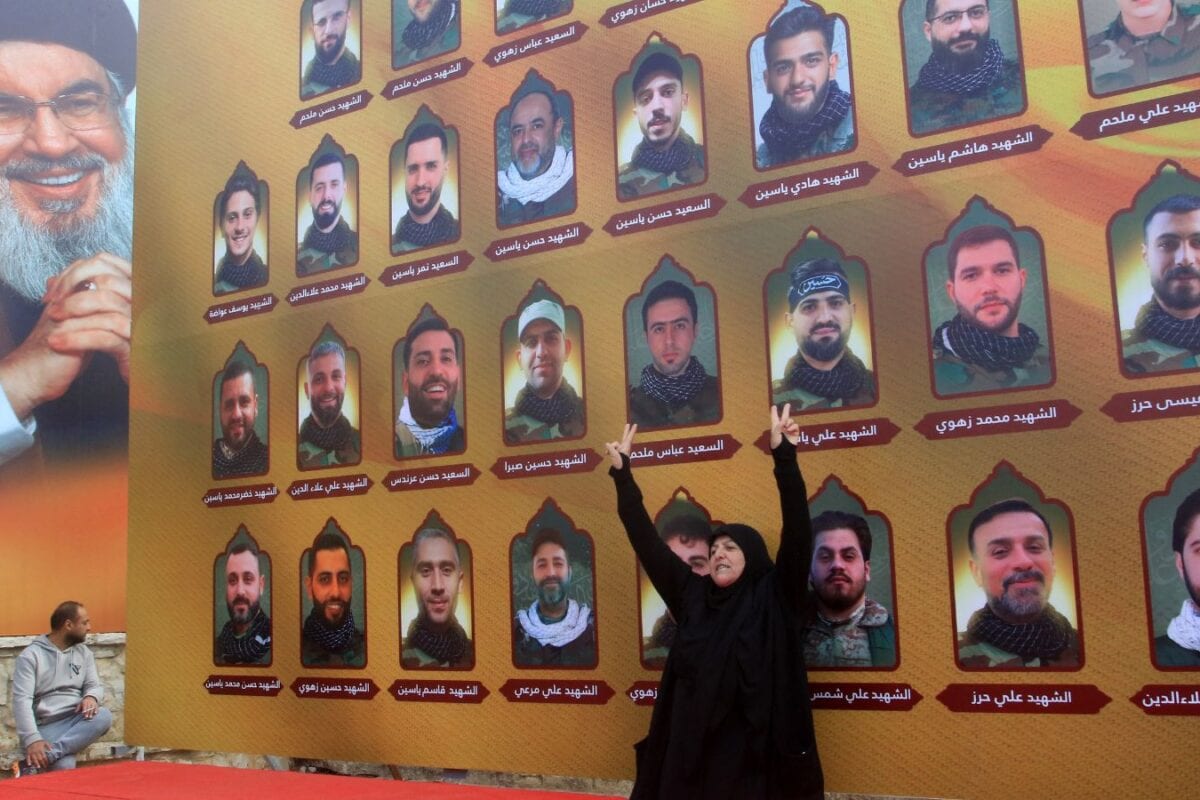
Hezbollah Said No To A Partial Ceasefire, Then Said Yes To A Full One. What Changed In 12 Hours? Written By, Last Updated: June 02, 2026, 10:16 IST The revised proposal reportedly expanded beyond Beirut and covered land, air and sea operations across Lebanese territory Rapid Read A woman reacts during the funeral procession of Hezbollah fighters. (AFP) Twelve hours. That’s all it took for a ceasefire proposal in Lebanon to go from rejection to acceptance. On Sunday, Hezbollah and its allies dismissed a US-backed plan that would have halted fighting around Beirut. By Monday, they were backing a much broader ceasefire framework. The rapid turnaround sparked questions about whether Hezbollah had buckled under pressure or whether something else had changed behind closed doors. According to Axios, the answer lies in a last-minute diplomatic effort that reshaped the proposal itself. What Was The Original Proposal? The latest diplomatic push came as the Trump administration scrambled to prevent a major Israeli escalation in Lebanon. ALSO READ | ‘Everybody Hates You Now’: Why Trump Is Suddenly Clashing With Netanyahu Over Middle East According to Axios, US Secretary of State Marco Rubio spent the previous 48 hours speaking with Lebanese President Joseph Aoun and Israeli Prime Minister Benjamin Netanyahu in an attempt to broker a new ceasefire framework. The initial proposal reportedly focused on a limited de-escalation: Israel would stop strikes on Beirut and its southern suburbs, while Hezbollah would halt attacks on Israel.
The arrangement was designed primarily to prevent a wider war and avoid Israeli strikes on the Lebanese capital. US President Donald Trump even publicly suggested that both sides had agreed to a ceasefire. But Hezbollah was not convinced. Why Did Hezbollah Reject It? For Hezbollah and its political ally, Lebanese Parliament Speaker Nabih Berri, the proposal seemed incomplete. ALSO READ | After Trump’s Call, Netanyahu Says Israel Will Hit Beirut If Hezbollah Does Not Stop Attacks According to Axios, Berri’s adviser Ali Hamdan told US officials that Hezbollah would not accept a ceasefire that only applied to Beirut while Israeli military operations continued elsewhere in Lebanon. Hamdan said Berri’s message to Washington was simple: “Let’s have a full ceasefire." The concern was that a partial truce would protect the capital but leave southern Lebanon vulnerable to continued Israeli strikes, ground operations and demolitions. That position was consistent with Hezbollah’s broader stance throughout the conflict. The group has repeatedly argued that ceasefires are meaningless if Israel continues military action in other parts of Lebanon. Reuters reported in April that Hezbollah described an earlier US-mediated truce as ineffective because Israeli operations continued despite the agreement. So What Changed In 12 Hours? The breakthrough came when discussions shifted from a partial ceasefire to a full ceasefire. According to Axios, Berri informed US Ambassador Michel Issa that Hezbollah was prepared to commit to an immediate and comprehensive ceasefire if Israel reciprocated.
Hamdan said Hezbollah was willing to “totally commit" and that Berri was prepared to guarantee implementation. The revised proposal reportedly expanded beyond Beirut and covered land, air and sea operations across Lebanese territory. Berri also sought commitments from Israel to halt the demolition of homes in southern Lebanon. In other words, Hezbollah’s core position remained largely unchanged: it opposed a limited truce but was willing to back a nationwide one. Reuters later reported that Hezbollah had accepted a US proposal for a mutual halt to attacks with Israel, while Hezbollah MP Hassan Fadlallah publicly endorsed a full ceasefire framework. The Iran Factor Looming Over Everything The Lebanon ceasefire negotiations are no longer just about Lebanon. The fighting has become deeply tied to broader US-Iran diplomacy following the recent Iran-Israel conflict. Axios reported that Iran warned continued Israeli attacks in Lebanon could threaten the fragile ceasefire understandings reached with Washington. The Trump administration has simultaneously been trying to preserve calm in Lebanon, maintain indirect engagement with Tehran and prevent another regional escalation. That helps explain why Washington became increasingly invested in stopping Israeli strikes on Beirut. From the White House’s perspective, a major escalation in Lebanon could jeopardise months of diplomatic work across the region. Is A Ceasefire Actually In Place Now? Not really. Despite the diplomatic announcements, hostilities have continued on the ground. Israeli officials have maintained that military operations against Hezbollah will continue if they view threats as ongoing.
Netanyahu has publicly insisted that Israel’s policy towards Hezbollah has not fundamentally changed. At the same time, previous ceasefires between Israel and Lebanon have repeatedly broken down amid accusations of violations from both sides. Even earlier US-brokered truces this year struggled to hold despite extensions and direct negotiations. News18 Newsletter Handpicked stories, in your inbox A newsletter with the best of our journalism submit About the Author Apoorva Misra Apoorva Misra is News Editor at News18.com with over nine years of experience. She is a graduate from Delhi University's Lady Shri Ram College and holds a PG Diploma from Asian College of Journalism,... Read More Location: Beirut, Lebanon First Published: June 02, 2026, 10:16 IST News explainers Hezbollah Said No To A Partial Ceasefire, Then Said Yes To A Full One. What Changed In 12 Hours? Disclaimer: Comments reflect users’ views, not News18’s. Please keep discussions respectful and constructive. Abusive, defamatory, or illegal comments will be removed. News18 may disable any comment at its discretion. By posting, you agree to our Terms of Use and Privacy Policy Loading comments...
 The BriefWire