Four Hours From Disaster: How One Netanyahu Move Nearly Derailed A Potential US-Iran Deal
Four Hours From Disaster: How One Netanyahu Move Nearly Derailed A Potential US-Iran Deal Published By, Last Updated: June 02, 2026, 12:11 IST US President
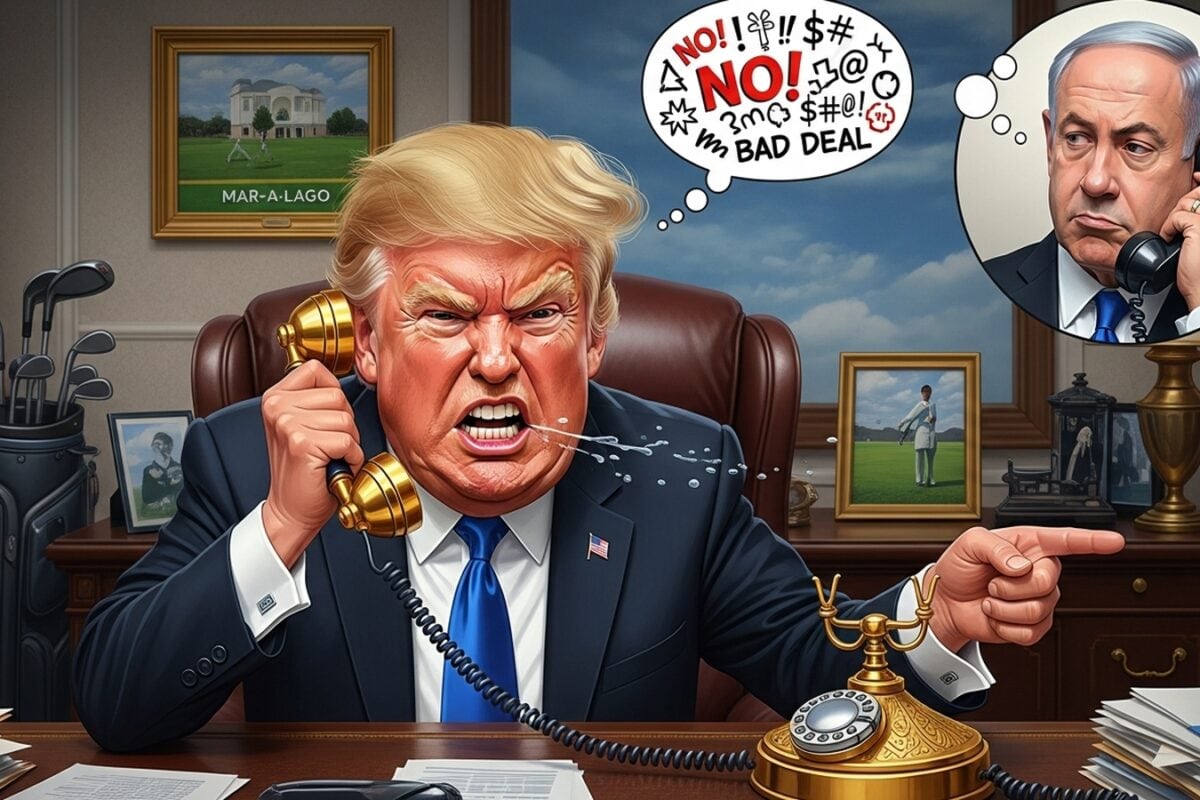
Four Hours From Disaster: How One Netanyahu Move Nearly Derailed A Potential US-Iran Deal Published By, Last Updated: June 02, 2026, 12:11 IST US President Donald Trump personally intervened, confronting Netanyahu in a tense phone call and pressing Israel to halt plans for further escalation in Lebanon. Rapid Read Trump held an unusually heated conversation with Netanyahu, expressing anger that Israeli military actions were jeopardising the US-Iran talks. (AI-generated image) Just when the US and Iran appeared closer to a breakthrough on the reopening of Strait of Hormuz, a single military decision in Lebanon threatened to unravel months of diplomacy. On June 1, Israeli Prime Minister Benjamin Netanyahu ordered fresh strikes on Hezbollah-linked targets in Beirut’s southern suburbs, escalating an already fragile conflict in Lebanon. Within hours, Iran signaled that the attacks could jeopardise ongoing negotiations with the United States, negotiations that both sides had described as the most serious effort in years to reach a broader understanding over regional security and Iran’s nuclear programme. What followed was a dramatic burst of diplomacy. According to multiple reports, US President Donald Trump personally intervened, confronting Netanyahu in a tense phone call and pressing Israel to halt plans for further escalation. By the end of the day, an Israeli strike that threatened to derail a major geopolitical deal had been shelved, at least temporarily. The episode revealed just how interconnected three seemingly separate crises have become: the Israel-Hezbollah conflict, US-Iran diplomacy, and the future balance of power in the Middle East. The Deal That Was Within Reach For weeks, the US and Iran had been engaged in indirect negotiations aimed at stabilising relations after months of conflict and economic disruption.
While officials remained cautious, President Trump had repeatedly suggested there was a realistic possibility of an agreement. The talks were seen as potentially leading to a broader framework covering Iran’s nuclear activities, maritime security around the Strait of Hormuz, sanctions issues and regional de-escalation. The significance of such an agreement cannot be overstated. The last decade has been defined by cycles of confrontation between the US and Iran, from sanctions battles and proxy wars to direct military exchanges. A successful deal would mark the biggest diplomatic opening between the two countries in years and could reshape regional politics. But Iran had attached an important condition: any broader ceasefire arrangement had to include Lebanon. Tehran repeatedly argued that diplomacy could not move forward while Israeli military operations continued against Hezbollah. The Strike Order That Changed Everything On June 1, Netanyahu ordered attacks on Beirut’s southern suburbs, an area regarded as a Hezbollah stronghold. The strikes came amid ongoing cross-border hostilities between Israel and Hezbollah and raised fears that the conflict could spiral further. For Iran, the timing was particularly problematic. Iranian officials accused the US of sending mixed signals by pursuing diplomacy while Israel intensified military operations. Tehran warned that the attacks undermined trust and could delay or even derail negotiations. Reports soon emerged that Iran had suspended or threatened to suspend communications linked to the negotiating process. Oil markets reacted nervously, reflecting concerns that another collapse in diplomacy could reignite broader regional instability. In effect, a military operation in Beirut had suddenly become a direct threat to a US-Iran diplomatic breakthrough.
Trump’s Rare Public Clash With Netanyahu The turning point came when Trump intervened personally. According to reports, Trump held an unusually heated conversation with Netanyahu, expressing anger that Israeli military actions were jeopardising a diplomatic opportunity that Washington had spent months pursuing. Reports described Trump as viewing the Israeli response as disproportionate and politically damaging at a moment when delicate negotiations were underway. The confrontation was striking because Trump and Netanyahu have often been viewed as close political allies. Yet the Lebanon crisis exposed a growing divergence between their immediate priorities. Netanyahu’s government remained focused on maintaining military pressure on Hezbollah, while Trump was increasingly invested in securing a diplomatic achievement with Iran that could stabilise the region and lower global energy risks. Four Hours That Changed the Conversation The most remarkable aspect of the episode was the speed at which events unfolded. Within a matter of hours, Israel authorised strikes in Beirut, Iran warned that diplomacy was at risk, negotiations appeared to be entering a dangerous phase, Trump intervened directly with Netanyahu, plans for additional strikes were reportedly scaled back, and new efforts emerged to restore a ceasefire understanding between Israel and Hezbollah. What had looked like the beginning of a wider regional escalation briefly transformed into a high-stakes diplomatic rescue operation. Why Lebanon Has Become the Deal’s Weakest Link The episode also exposed how the future of US-Iran diplomacy may now depend as much on Beirut as on Tehran. Throughout the current crisis, Iran has insisted that Lebanon cannot be treated as a separate theatre. Israeli officials, meanwhile, have often argued that operations against Hezbollah are independent of negotiations involving Iran.
That disagreement has repeatedly complicated ceasefire efforts and remains one of the biggest obstacles to a durable settlement. As long as fighting continues in Lebanon, every airstrike carries the potential to disrupt negotiations occurring hundreds of miles away. Despite the immediate crisis being contained, the underlying tensions remain unresolved. Trump has continued to express optimism about reaching an agreement with Iran, while Tehran remains deeply sceptical of American intentions and continues to link diplomatic progress to developments in Lebanon. Israel, meanwhile, has shown little sign of abandoning its campaign against Hezbollah. That means the proposed US-Iran deal remains vulnerable to events on the battlefield. News18 Newsletter Handpicked stories, in your inbox A newsletter with the best of our journalism submit About the Author Pragati Ratti Copy Editor Pragati is a News Editor at news18.com. Having headed the Business and Viral sections, Pragati now ideates, writes and edits long-form features and articles on national and global affairs. She ensures... Read More First Published: June 02, 2026, 11:52 IST News explainers Four Hours From Disaster: How One Netanyahu Move Nearly Derailed A Potential US-Iran Deal Disclaimer: Comments reflect users’ views, not News18’s. Please keep discussions respectful and constructive. Abusive, defamatory, or illegal comments will be removed. News18 may disable any comment at its discretion. By posting, you agree to our Terms of Use and Privacy Policy Loading comments...
 The BriefWire