War-Ravaged Iran Seeks Shoulder-Launched Missiles From China To Replenish Depleted Arsenal
War-Ravaged Iran Seeks Shoulder-Launched Missiles From China To Replenish Depleted Arsenal Published By, Last Updated: July 29, 2026, 14:33 IST After launching barrages of missile
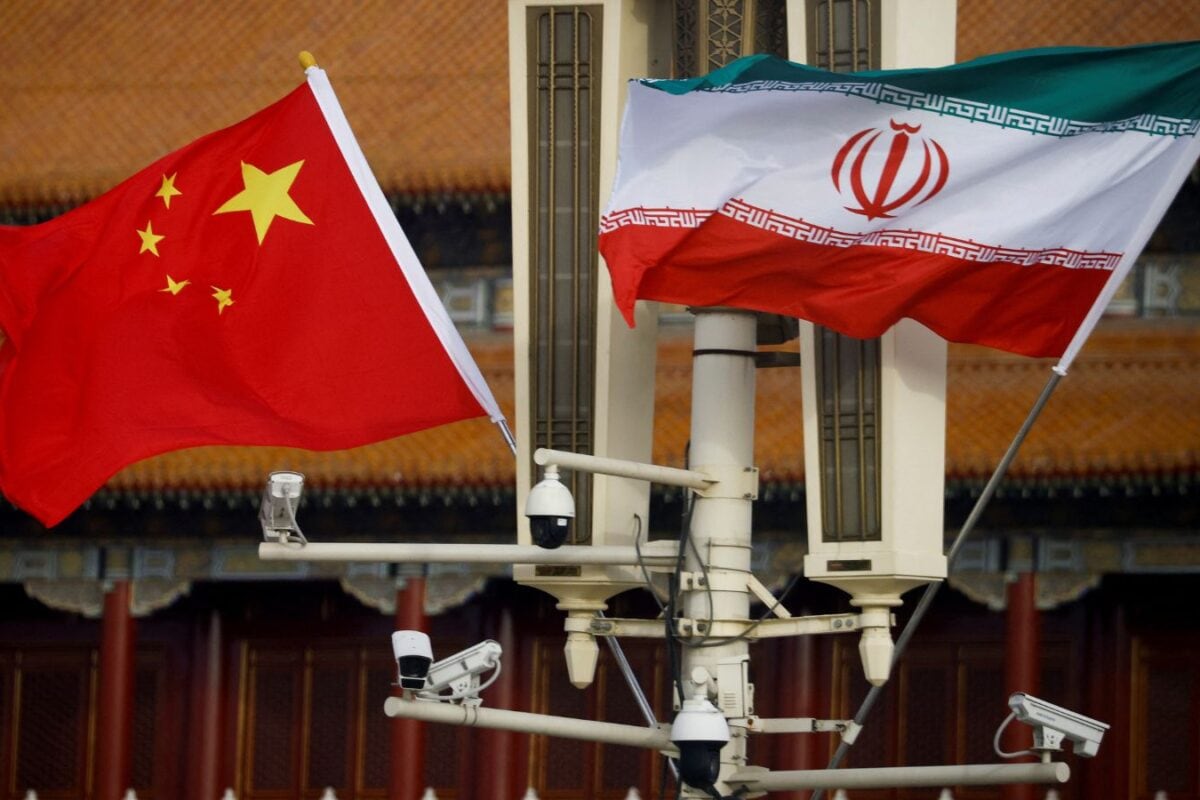
War-Ravaged Iran Seeks Shoulder-Launched Missiles From China To Replenish Depleted Arsenal Published By, Last Updated: July 29, 2026, 14:33 IST After launching barrages of missile and drone strikes on its neighbours, allies of the US in Gulf, and US assets in the region, Iran seeks arsenal replenishment to survive. Rapid Read Iran is set to get China's QW-12 MANPADS as Tehran looks to replenish its depleted arsenal following the war in West Asia. (Image courtesy: Reuters) Iran is set to receive its first batch of Chinese-made shoulder-fired air defence systems within weeks, part of a deal for up to 400 units as Tehran moves to rebuild its military capabilities after months of conflict, Reuters reported, citing sources familiar with the matter. The agreement, estimated to be worth $60–70 million, represents one of Iran’s most significant efforts to strengthen its short-range air defences since the war with the United States and Israel exposed vulnerabilities in protecting key military and infrastructure sites.
Deal Details And Delivery Plans According to sources, the contract includes 300 to 400 man-portable air defence systems (MANPADS), specifically QW-12 and FN-16 missiles manufactured in China. The deal was reportedly facilitated by Zhongqing Baoshang International Investment, a Hong Kong-based intermediary acting between Tehran and the Chinese supplier. Initial deliveries are expected to originate from Urumqi in western China, with shipments routed through Pakistan before reaching Iran. However, the sources did not confirm whether the transfer would occur via air or land. Pakistan’s military media wing rejected any involvement, calling reports linking it to the transfer “absolutely concocted and false". China’s Foreign Ministry also dismissed the claims, stating that such reports were “completely groundless" and reiterating Beijing’s stance on promoting peace. Iran Seeks To Rebuild Defences The move comes as Iran looks to replenish its arsenal following sustained strikes by the U.S. and Israel targeting missile, drone, and air defence infrastructure.
Tehran had responded during the conflict with waves of ballistic missiles and drone attacks. Military analysts say portable air defence systems are crucial in such scenarios because they can be quickly deployed, relocated, and operated by small teams, making them harder to target compared to fixed installations. Broader Strategic Implications Experts note that while the QW-12 is considered less advanced than newer variants like the QW-18 and QW-19, it still offers an effective layer of defence against low-flying aircraft, helicopters, and drones. Sources, quoted in the Reuters report, added that Iran has also been exploring overland supply routes to discreetly transport military equipment and reduce the risk of disruption. The development underscores deepening military ties between Iran and China, even as Tehran continues to rely on a mix of domestic production and foreign procurement despite longstanding sanctions. Separately, Reuters has earlier reported that Iran was in talks with China to acquire anti-ship cruise missiles, although it remains unclear whether that agreement has been finalised.
 The BriefWire