Nearly Two Years After His Death, Supreme Court Clears Manmohan Singh In Coal Scam
Nearly Two Years After His Death, Supreme Court Clears Manmohan Singh In Coal Scam Reported By, Last Updated: July 29, 2026, 13:59 IST The judgment
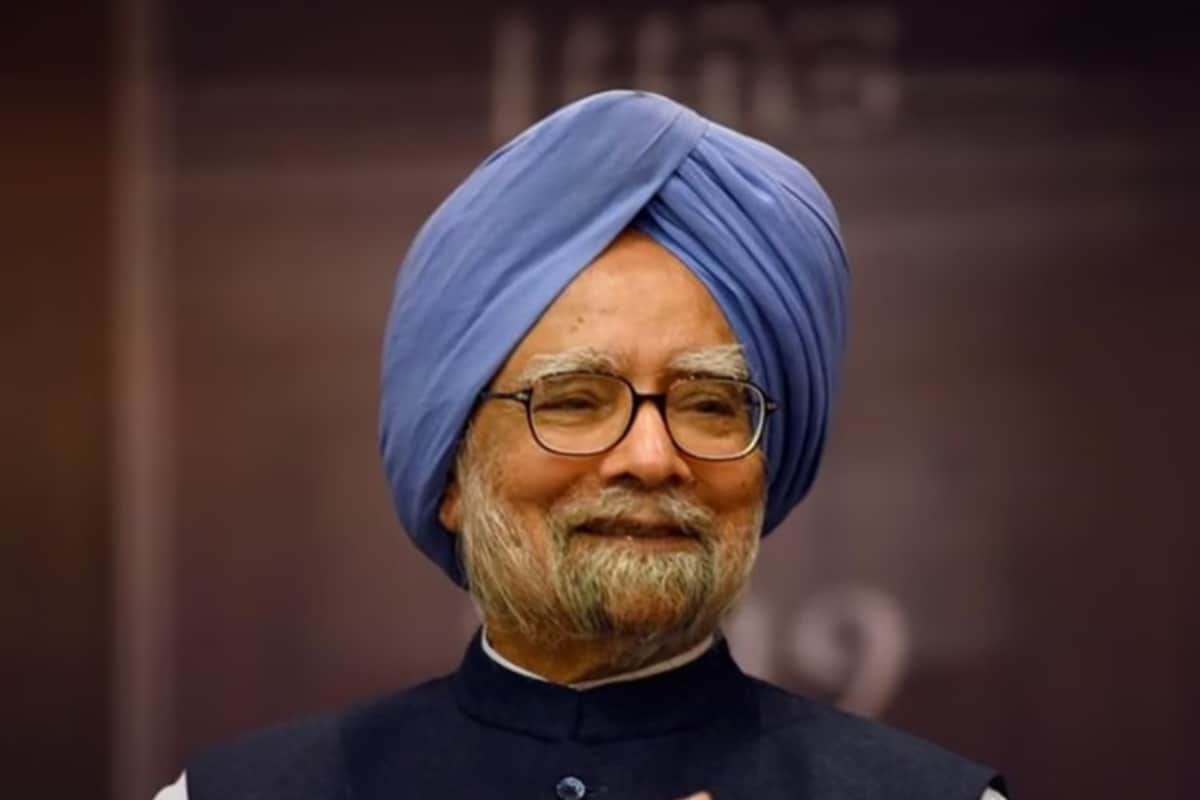
Nearly Two Years After His Death, Supreme Court Clears Manmohan Singh In Coal Scam Reported By, Last Updated: July 29, 2026, 13:59 IST The judgment ends an 11-year legal battle that began after a court refused to accept CBI's conclusion that there was no evidence to prosecute the former PM Rapid Read PM Dr Manmohan Singh Nearly two years after former Prime Minister Dr Manmohan Singh’s passing, the Supreme Court has finally brought legal closure to one of the cases that had cast a shadow over his tenure in office. In a significant ruling, the apex court has given Singh a clean chit in the Talabira-II coal block allocation case, setting aside a 2015 Special CBI Court order that had summoned him and five others to face trial. The judgment ends an 11-year legal battle that began after a Special CBI Court refused to accept the investigating agency’s conclusion that there was no evidence to prosecute the former Prime Minister.
A Bench led by Chief Justice of India Surya Kant accepted the CBI’s closure reports, holding that the Special Judge had no valid reason to reject them and proceed against the accused. The Court noted that the CBI had carried out a detailed investigation and filed two separate closure reports, both concluding that no criminal case was made out. With Wednesday’s verdict, the Supreme Court has quashed the March 11, 2015, order of the Special CBI Court, accepted the closure reports, and formally closed the matter on merits. The case stemmed from the 2005 allocation of the Talabira-II coal block in Odisha, a period when Dr Singh was also holding charge of the Coal Ministry. Despite the CBI concluding that there was insufficient evidence to prosecute him, the Special CBI Court had summoned Singh and five others to face charges, including criminal conspiracy and criminal breach of trust.
The Supreme Court had stayed those proceedings on April 1, 2015, barely weeks after the Special Court’s order. That stay remained in force as the legality of the summons was examined, eventually culminating in Wednesday’s verdict. The ruling carries significance beyond the legal outcome. It comes after Dr Singh’s death and closes one of the few remaining criminal proceedings linked to the wider coal block allocation controversy that had become a defining political issue during the UPA years. For Singh, whose personal integrity was often defended even by political opponents despite the turbulence surrounding the coal allocation controversy, the judgment posthumously removes the cloud of prosecution in the Talabira-II case. It also underscores that while trial courts have the power to disagree with investigating agencies, such decisions must be backed by sound legal reasoning. With the Supreme Court accepting the CBI’s findings and closing the case, a chapter that remained open for more than a decade has finally come to an end.
 The BriefWire