How Did Qantas Make History By Flying 24-Hours Non-Stop: All About The Ultra-Long-Haul Mission
How Did Qantas Make History By Flying 24-Hours Non-Stop: All About The Ultra-Long-Haul Mission Published By, Last Updated: July 29, 2026, 13:57 IST Airbus’ A350-1000ULR
How Did Qantas Make History By Flying 24-Hours Non-Stop: All About The Ultra-Long-Haul Mission Published By, Last Updated: July 29, 2026, 13:57 IST Airbus’ A350-1000ULR completes a 24-hour test flight covering 12,460 nm, a key step for Qantas’ Project Sunrise to launch ultra-long non-stop commercial routes. Rapid Read Qantas made history by flying its longest haul flight for 24 hours with Airbus plane. (Image courtesy: Airbus's website) An Airbus A350-1000ULR test aircraft has completed a record-setting ultra-long-haul mission, flying non-stop for over 24 hours as part of trials for Qantas’ upcoming Project Sunrise routes, according to a release published by Airbus. The flight-test aircraft, MSN707, flew from Toulouse to Melbourne on July 23 before returning to France a few days later. On its longest leg, the jet covered 12,460 nautical miles in 24 hours and 24 minutes, marking its longest-ever flight.
The aircraft, which first flew in June, is equipped with specialised instrumentation and is undergoing development flight tests aimed at validating performance for ultra-long-haul operations. Testing For 23-Hour Commercial Operations Airbus said the mission aimed to demonstrate the aircraft’s ability to handle a 23-hour “block time", the total duration from departure gate to arrival stand. This is designed to support Qantas’ planned 21-hour-40-minute commercial flights under Project Sunrise, including buffers for taxiing, diversions, and holding. Powered by Rolls-Royce Trent XWB-97 engines, the A350-1000ULR also tested its extended fuel capability. The aircraft includes an additional rear centre tank with a capacity of 20,900 litres, allowing it to fly close to 10,000 nautical miles. Engineers also monitored cabin conditions and fuel systems during the mission. The flight evaluated air conditioning performance and overall cabin comfort, which are critical for such long durations.
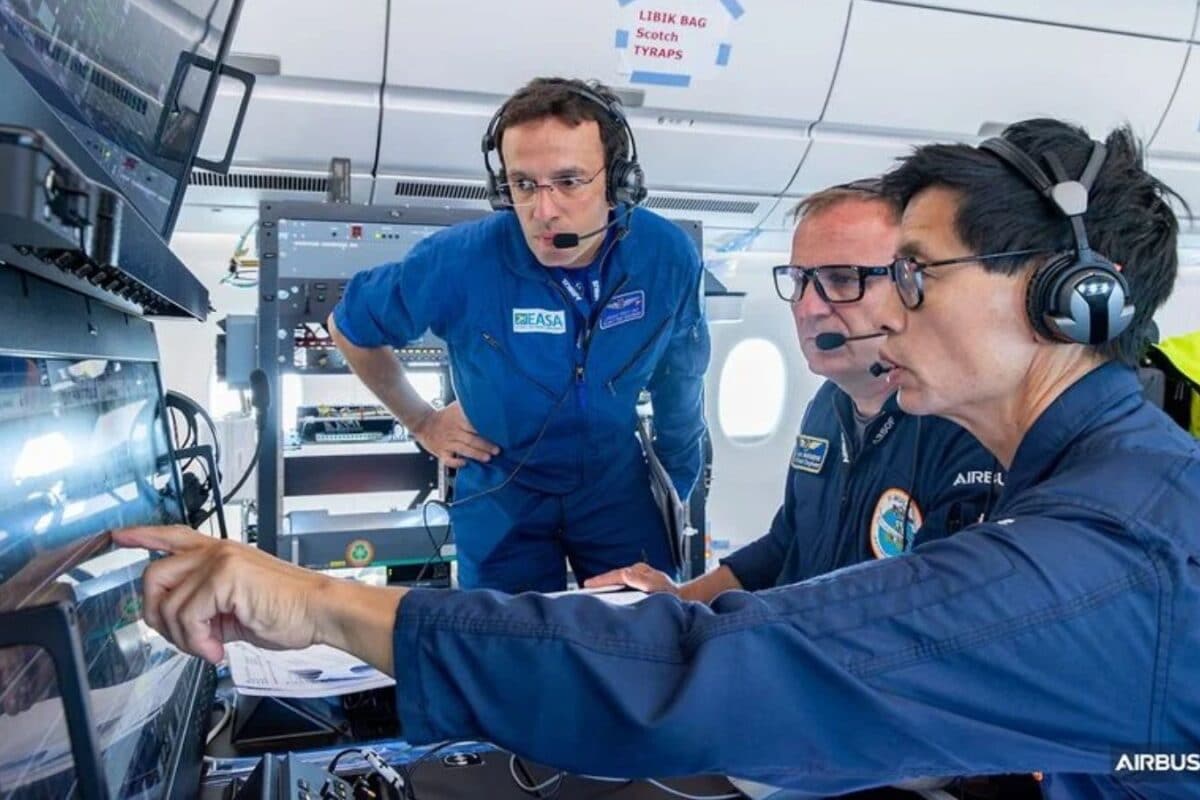
Crew Operations And Onboard Systems Assessed The test also examined the aircraft’s new twin flight crew rest compartments. These are designed with separate entrances so pilots can rest without disturbing each other during long-haul operations. However, during this mission, the compartments were filled with testing equipment. As a result, crew members used the cabin crew rest area at the rear of the aircraft. The outbound flight had four Airbus pilots, while the return leg included five pilots, including two from Qantas. The return journey followed a longer route, crossing the Pacific, North America, and the Atlantic before landing in Toulouse. Airbus said the route was chosen to avoid potential air traffic control issues linked to pre-set flight paths. The test marks a key step in preparing the A350-1000ULR for commercial ultra-long-haul operations, as airlines push the limits of non-stop global connectivity.
 The BriefWire