The Slovak village questioning its UNESCO status
The picturesque village of Vlkolinec in Slovakia has been on UNESCO's World Heritage List since 1993. Vlkolinec was recently in the headlines for wanting to
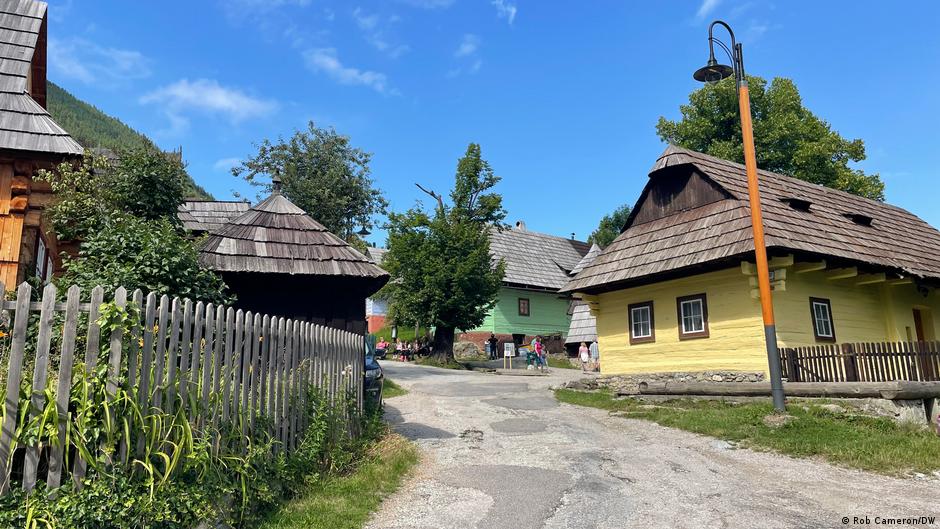
The picturesque village of Vlkolinec in Slovakia has been on UNESCO's World Heritage List since 1993. Vlkolinec was recently in the headlines for wanting to be taken off the list. DW visited the village to find out why. From the headlines in the world's media, the story seemed simple: A tiny Slovak village wanted UNESCO to remove it from the World Heritage List because of the pressures of overtourism. But that's not quite what is happening in Vlkolinec, central Slovakia. Interviews with residents, local officials and visitors suggest that the debate was less about UNESCO itself than about how to protect a living community from the pressures of tourism. Accelerated transformation "Those who come with humility, to admire the village and understand how people lived here, are always welcome," said 68-year-old Anton Sabucha. "They don't bother me. It's the rude ones." Sitting beneath an awning outside his wooden house, Sabucha leafed through a history of the village, pointing to photographs of neighbors and relatives. His wife brought out a tray of fried dough pastries. Vlkolinec in bygone days: Anton Sabucha says that the village's inscription on the UNESCO World Heritage List in 1993 accelerated its transformation Image: Haris Jeelani Toogo/DW He remembered when around 200 people lived in Vlkolinec. Today, only 17 remain year-round. UNESCO did not create Vlkolinec's tourism problem. The village was designated a Folk Architecture Heritage Reserve in 1977, during the Communist era. But Sabucha argued that its inscription on the UNESCO World Heritage List in 1993 accelerated the transformation, bringing visitors who too often forget that people still live in the centuries-old wooden houses. Diminishing privacy "You come out into your yard, wanting to sit quietly and have a coffee with your friends.
Then the first tourist comes and asks, 'How are you? What's it like living here?' Then another. Then another," he told DW. Sabucha has erected a barrier at the entrance to his property bearing the notices "No Trespassing" and "No Photos." He said that despite this, some visitors still wander into private gardens, trampling flowers and treating the village as an attraction rather than a community. Vlkolinec resident Anton Sabucha says that some tourists often forget that people still live in the centuries-old wooden houses they come to admire Image: Haris Jeelani Toogo/DW "Someone sees the 'No Photos' sign and still has to take a picture. They simply don't respect people's privacy." Disappearance of traditional village life But the biggest loss, he said, has been the gradual disappearance of traditional village life. The surrounding meadows are no longer cut, the old agricultural terraces have become overgrown and many of the people whose lives have shaped the landscape are gone. Tourism income, he argued, has done little to reverse that decline. Residents receive around €400 ($455) a year from ticket revenues — "barely enough to buy a pallet of briquettes for the winter" — while many of those who now earn a living from tourism no longer live in the village, he said. "For an ordinary tourist, these are just wooden houses. For us, they're people. We know exactly who lived in each house." A living village Justine, a tourist visiting from France, said the village's appeal lay precisely in the fact that people still lived there. "Usually places like this are museums. Here, people still live here. That's unique," she told DW. When told that some residents wanted Vlkolinec removed from the UNESCO list because of tourism, she said she understood their frustration.
 The BriefWire