India-Tibet Trade Revives At Lipulekh After 6 Years, But The Caravans Have Disappeared
India-Tibet Trade Revives At Lipulekh After 6 Years, But The Caravans Have Disappeared Published By, Last Updated: June 02, 2026, 09:46 IST India-Tibet trade via
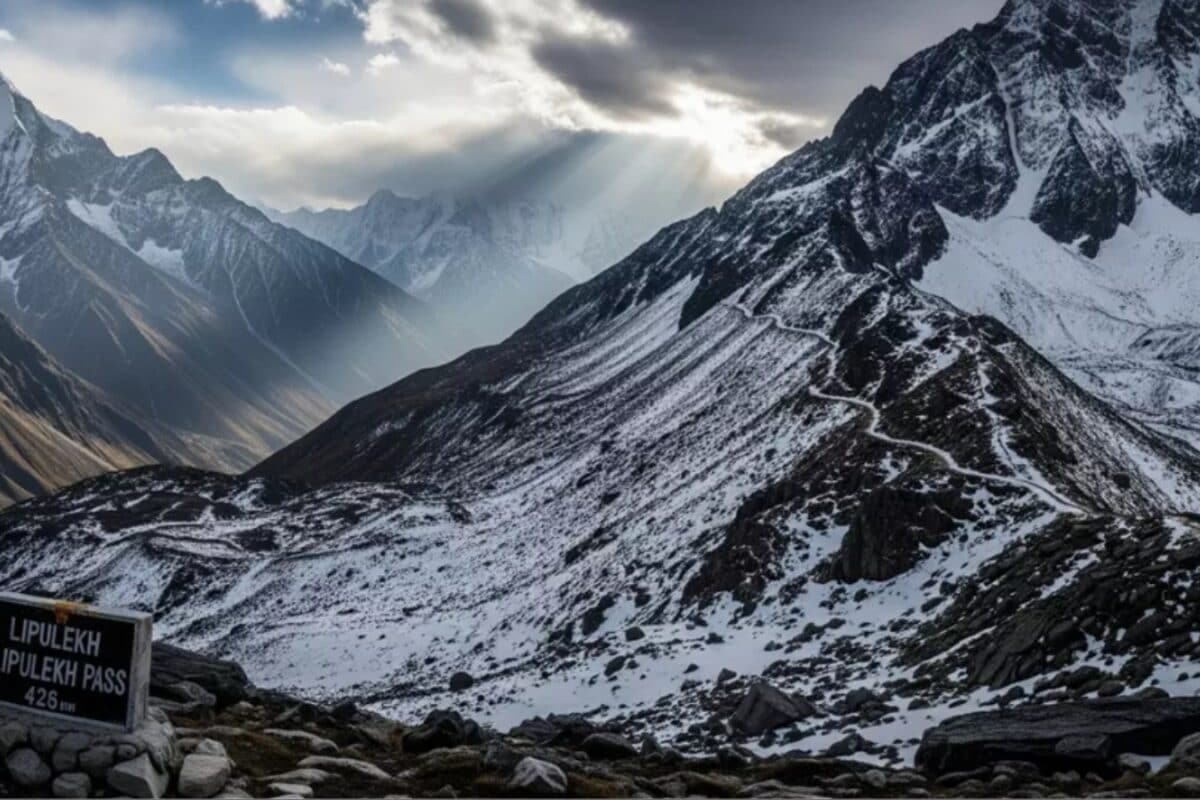
India-Tibet Trade Revives At Lipulekh After 6 Years, But The Caravans Have Disappeared Published By, Last Updated: June 02, 2026, 09:46 IST India-Tibet trade via Lipulekh Pass has resumed after six years, reviving a historic route amid renewed focus on the India-Nepal border dispute. A photo of the Lipulekh Pass (Social Media) India-Tibet border trade through the Lipulekh Pass in Uttarakhand has resumed after a si year suspension caused by the Covid-19 pandemic, marking a major shift in a centuries-old Himalayan trading tradition. According to a report by The Times of India, the reopening is significant not only because commercial activity has restarted, but also because traders are now travelling largely by vehicles instead of traditional animal caravans. The route connects Dharchula, Gunji, Kalapani and Nabidhang in Uttarakhand’s Pithoragarh district to Burang, also known as Taklakot, in Tibet’s Ngari prefecture. Trade through the route had remained suspended since 2020 despite the completion of the strategic Dharchula-Lipulekh road because of pandemic restrictions. For generations, the trade depended on long caravans of yaks, jhubbus, sheep, goats and mules navigating difficult mountain terrain carrying goods between India and Tibet. The report noted that convoys often consisted of 500 to 600 animals moving through narrow Himalayan tracks. Jeewan Singh Raunkli, president of the Indo-Tibetan border trade committee, told TOI that the reopening by road marks a historic transformation in the way trade is conducted. “The situation has changed in India since the 1960s. The road reached Tawaghat in 1970, and now it has reached Lipulekh. People’s needs have changed, too. In 2020, the road from Dharchula to Lipulekh was completed, but trade was paused due to Covid-19.
This year, trade has resumed after six years, and now goods and traders will reach Lipulekh by road. Traders are excited," he said. Raunkli further said the new arrangement would significantly reduce transportation costs and travel time. “Road has now reached Lipulekh. Goods and traders will traverse almost the entire stretch by vehicles. This will reduce both time and cost significantly. Traders had also sought a money exchange facility between Indian and Chinese currencies at Gunji, a godown facility near Nabidhang, and continuation of the trade period from June to October. The government has permitted more export items as well," he told the newspaper. The development has also revived memories of the old Indo-Tibetan trade system among elderly residents of the region. Eighty-si year-old Dharchula resident Diwan Singh Garvyal recalled how traders earlier relied entirely on animal transport and difficult mountain journeys. “Gone are those days of trade’s complete reliance on animals with ‘karbachcha’, large bags made of wool covered with sheep skin to protect goods against seepage, in which goods were carried through the arduous journey. Now we have a road with vehicles on it," he told TOI. Garvyal described how trade caravans once travelled for months and how villagers performed religious rituals before departure. He said women often sang “Mangal geet" prayers for the safe return of traders travelling through dangerous terrain, vulnerable to bad weather and dacoits. Historically, the trade operated through a trust-based arrangement known as “Gamgaya", under which Indian and Tibetan traders entered into agreements often sealed with religious oaths and thumb impressions. Much of the exchange was conducted through barter instead of currency. Goods exported from India traditionally included salt, woollen clothes, grains, jaggery, tea, utensils and edible oil, while imports from Tibet included wool, borax, animal skins and livestock.
The trade route, however, remains politically sensitive because the Lipulekh region is also part of a long-running boundary dispute involving India and Nepal. According to an ANI report, Nepal on Sunday reiterated its commitment to resolving border-related issues with India through diplomatic negotiations after remarks by Nepali Prime Minister Balendra Shah in Parliament. Nepal’s Ministry of Foreign Affairs said both countries had exchanged diplomatic notes on the issue and remained committed to dialogue. “It is well known that Nepal and India have a centuries-old, long and open border. The current international border of Nepal is established and guided by the Sugauli Treaty of 1816. The Susta and Limpiyadhura, Lipulekh, and Kalapani areas within the Nepal-India border are yet to be mapped," the ministry said, according to ANI. The statement added that Nepal and India’s Technical Committee was continuing joint studies and repair work related to border pillars and mapping. The controversy over Lipulekh intensified in 2020 when Nepal, under the KP Sharma Oli government, released a revised political map incorporating Limpiyadhura, Lipulekh and Kalapani into its territory through a constitutional amendment. India rejected the move, calling it a “unilateral artificial enlargement" of territorial claims. Recently, India again rejected Nepal’s objections to the Kailash Mansarovar Yatra route passing through Lipulekh. Ministry of External Affairs spokesperson Randhir Jaiswal stated that “Lipulekh Pass has been a long-standing route for the Kailash Manasarovar Yatra since 1954" and said India’s position on territorial claims had remained “consistent and clear", ANI reported. Despite the diplomatic sensitivities, local officials believe the resumption of trade could provide a major economic boost to Uttarakhand’s border districts. Pithoragarh District Magistrate Ashish Kumar Bhatgai told TOI that preparations were underway to improve facilities at Gunji before the trading season gathers pace.
“The border trade is important for Dharchula. It will create jobs and is a big boost for the local economy. This year’s trade by road will surely reduce both time and costs of goods headed towards Lipulekh. Preparations are underway to develop infrastructure at Gunji. A customs office and an SBI branch will operate before trade begins. We are optimistic and upbeat about the trade’s overall prospects," he said. For residents and traders in the Kumaon Himalayas, the reopening signals not just the return of commerce, but the continuation of a historic India-Tibet relationship that is now entering a modern era shaped by roads, vehicles and evolving geopolitical realities. News18 Newsletter Handpicked stories, in your inbox A newsletter with the best of our journalism submit About the Author Vani Mehrotra Vani Mehrotra is the Deputy News Editor at News18.com. She has more than 10 years of experience in national and international news and has previously worked on multiple desks. First Published: June 02, 2026, 09:43 IST News india India-Tibet Trade Revives At Lipulekh After 6 Years, But The Caravans Have Disappeared Disclaimer: Comments reflect users’ views, not News18’s. Please keep discussions respectful and constructive. Abusive, defamatory, or illegal comments will be removed. News18 may disable any comment at its discretion. By posting, you agree to our Terms of Use and Privacy Policy Loading comments...
 The BriefWire