Can Gen Z Swing Bankipur? Why Bihar's Hottest Bypoll Is A Youth Test
Can Gen Z Swing Bankipur? Why Bihar's Hottest Bypoll Is A Youth Test Written By, Last Updated: July 29, 2026, 10:25 IST While the BJP
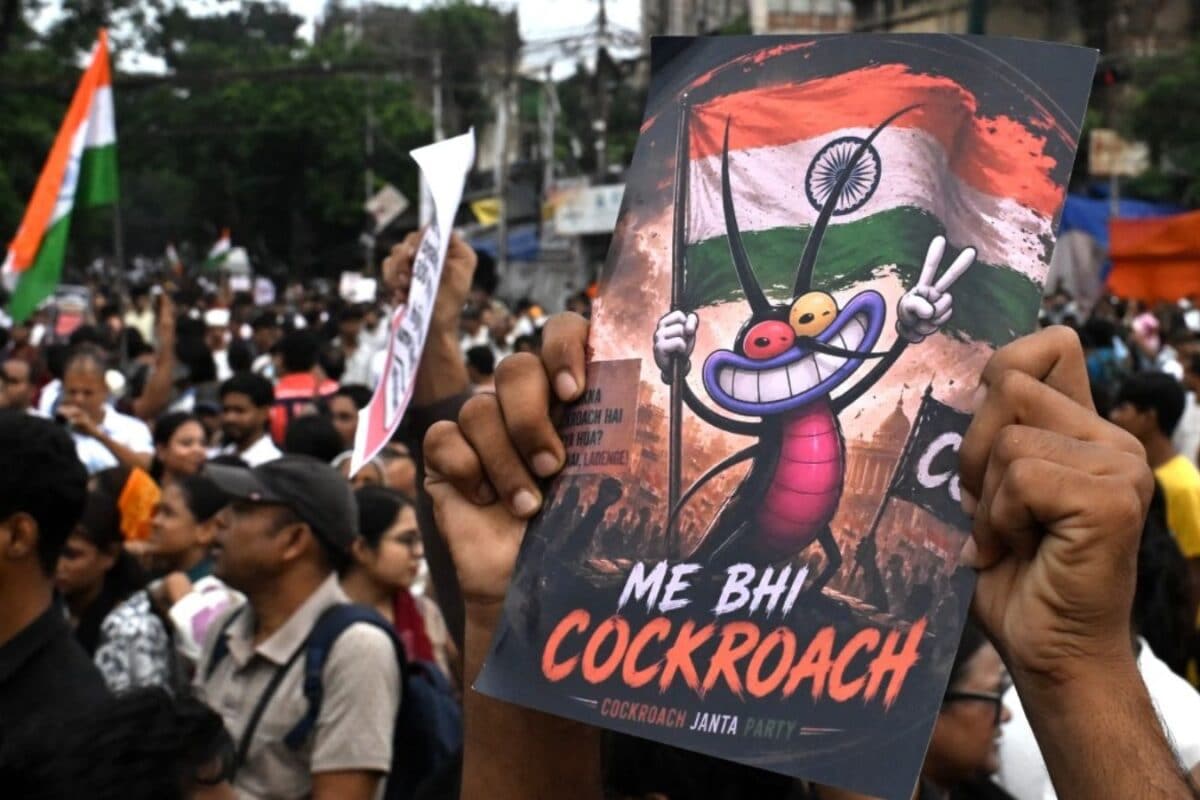
Can Gen Z Swing Bankipur? Why Bihar's Hottest Bypoll Is A Youth Test Written By, Last Updated: July 29, 2026, 10:25 IST While the BJP is banking on its organisational machinery and traditional support base, Jan Suraaj hopes the student movement has created enough anti-incumbency among younger voters Rapid Read The NEET protests, led by students and the Cockroach Janta Party (CJP), have made youth anger the defining issue of the campaign. (AFP) When voters in Bihar’s Bankipur assembly constituency cast their ballots on Wednesday, they won’t just be choosing a new MLA. The result is being seen as a test of whether the student-led Gen Z movement over exam paper leaks can translate into votes, whether political strategist-turned-politician Prashant Kishor can convert popularity into electoral success, and whether the BJP can hold on to one of its safest urban bastions. The bypoll, necessitated after BJP national president Nitin Nabin vacated the seat, has acquired massive political significance because it comes in the shadow of nationwide protests over competitive exam paper leaks. The protests, led by students and the Cockroach Janta Party (CJP), have made youth anger the defining issue of the Bankipur bypoll campaign. Why Is Everyone Talking About Gen Z? Unlike many assembly constituencies, Bankipur has an unusually young electorate. It is home to some of Bihar’s most prominent educational institutions, including Patna University, NIT Patna, BN College, Science College, AN College and Chanakya Law University, along with a dense network of coaching centres that attract thousands of students every year. According to election data, roughly one-third of Bankipur’s 3.79 lakh voters are between 18 and 29 years of age.
Many are first-time or second-time voters directly affected by concerns over competitive examinations, recruitment and jobs. The NEET paper leak controversy and the subsequent nationwide protests have therefore resonated more strongly here than in many other constituencies. How Did Student Protests Become An Election Issue? The campaign began as a conventional bypoll but was transformed after nationwide demonstrations against exam paper leaks and the police crackdown on protesters. Prashant Kishor and Jan Suraaj made student anger the centrepiece of their campaign, arguing that the election was an opportunity for young voters to hold governments accountable for failures in the examination system. Opposition parties also repeatedly raised the issue during campaigning. “What you and I are seeing in Delhi wasn’t a protest by one Sonam Wangchuk. The thousands of people who came to protest didn’t carry CJP flags. They were ordinary young people, frustrated by the daily paper leaks, unemployment, and the crumbling education system," he said. The BJP, meanwhile, has sought to blunt the criticism by highlighting the Centre’s reform measures, including the resignation of former education minister Dharmendra Pradhan, the creation of a high-powered exam reforms task force under Nandan Nilekani, and amendments to strengthen anti-paper leak laws. Party leaders have also argued that Prime Minister Narendra Modi continues to enjoy strong support among young voters. Litmus Test For Prashant Kishor For Jan Suraaj founder Prashant Kishor, this is much more than a bypoll. It is his first direct electoral contest after spending over a decade advising political parties across India. A victory would establish him as a credible electoral force. A defeat, especially by a wide margin, could raise questions about whether his appeal extends beyond political consultancy and public meetings.
 The BriefWire