How Mexican drug cartels have outsourced meth labs to Nigeria
The Nigerian judge was formally dressed, the lawyers maintained legal decorum and protocol was followed – but this hearing was not in the comfortable confines
The Nigerian judge was formally dressed, the lawyers maintained legal decorum and protocol was followed – but this hearing was not in the comfortable confines of a Lagos courtroom, it was inside an alleged illicit drug laboratory in the thick of a dense forest. Three Mexicans and seven Nigerians were paraded in handcuffs, as Justice Musa Kakaki inspected the chemicals and equipment they were accused of using to produce the harmful illegal synthetic drug, methamphetamine, commonly known as meth, crystal meth or, locally, ice.
A bitter, pungent smell filled the air of the makeshift laboratory, thanks to a large drum of the liquid form of the drug that was crystallising. Another potent odour came from open vats of a dark, viscous liquid, described as "crude", or unprocessed, methamphetamine. Other products were scattered around, including propane gas cylinders and bags of caustic soda, in the unfinished building.
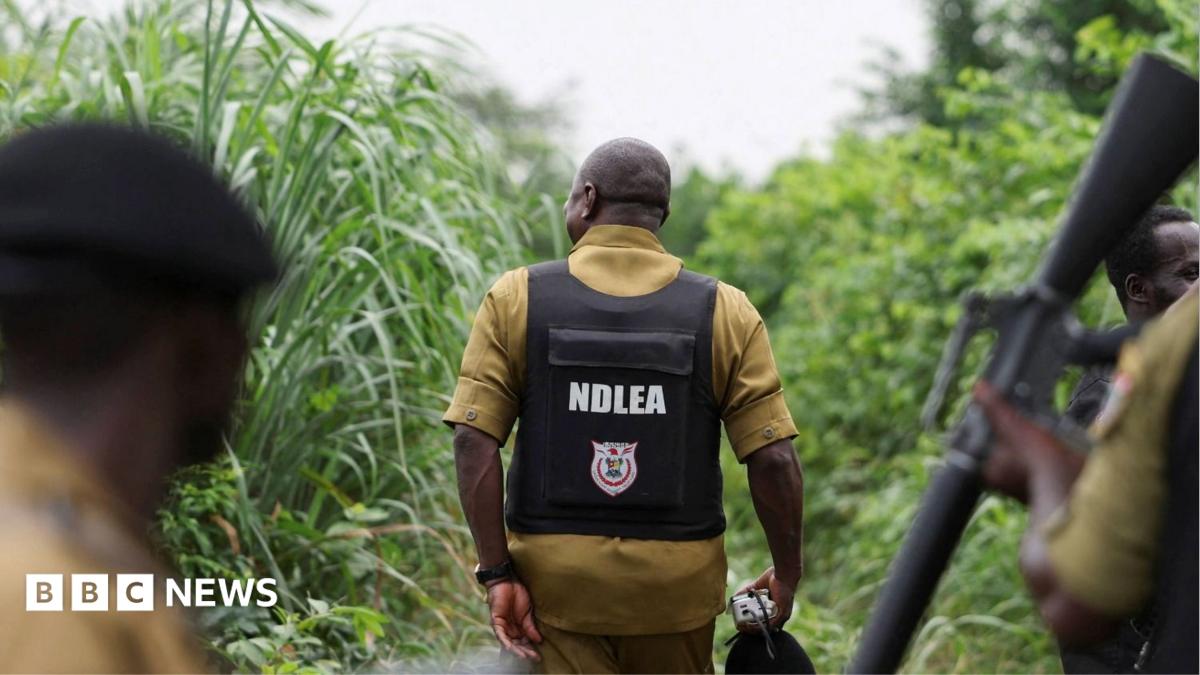
This temporary move of the federal high court to a location a two-hour drive from Lagos was an unusual step for Nigeria's judicial system, but the Drug Law Enforcement Agency (NDLEA) said it was necessary to understand the scale of the operation. When the suspects were arrested in May, the agency described it as the country's largest-ever meth bust. It said it discovered more than two tonnes of the drug worth some $360m (£270m).
The NDLEA at the time announced it had "dealt another crippling blow" and dismantled "a highly sophisticated, multi-million-dollar Nigerian-Mexican methamphetamine production syndicate".
 The BriefWire