Mekedatu Conundrum: Why A Proposed Reservoir Continues To Divide Karnataka & Tamil Nadu
Mekedatu Conundrum: Why A Proposed Reservoir Continues To Divide Karnataka & Tamil Nadu Reported By, Last Updated: July 28, 2026, 23:19 IST For political parties
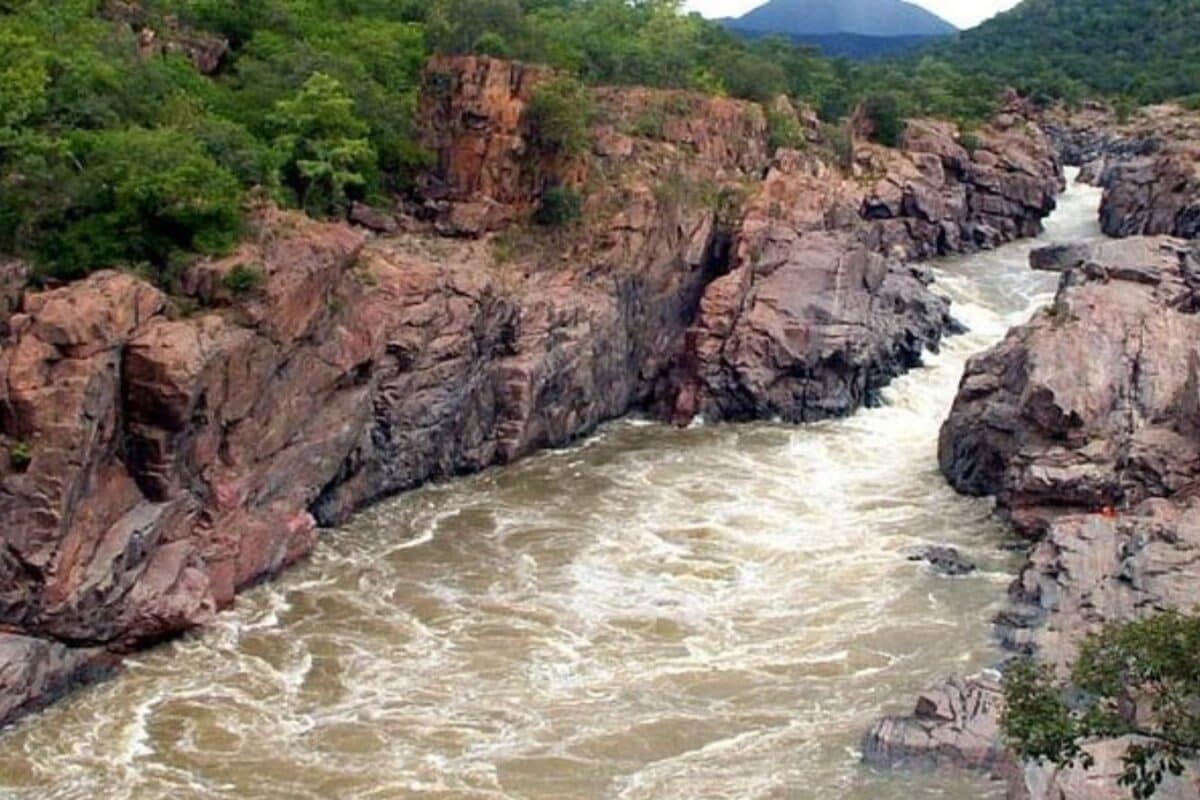
Mekedatu Conundrum: Why A Proposed Reservoir Continues To Divide Karnataka & Tamil Nadu Reported By, Last Updated: July 28, 2026, 23:19 IST For political parties in both states, it remains an issue that can rally public sentiment and sharpen regional identity Mekedatu is a proposed balancing reservoir and drinking water project planned by Karnataka across the Cauvery river near the Karnataka-Tamil Nadu border. File image Nearly three decades after it was first proposed, the Mekedatu balancing reservoir remains one of India’s most politically contentious infrastructure projects. Every few years, it returns as a subject of discussion, triggering a familiar cycle of political statements, counter-statements, legal arguments, and accusations between Karnataka and Tamil Nadu. Yet, despite successive governments promising to build it and equally determined governments vowing to stop it, the project has remained stuck in a maze of litigation, statutory clearances, and political compulsions. The latest trigger is a strongly worded letter by Tamil Nadu Chief Minister C Joseph Vijay to Prime Minister Narendra Modi, challenging the Centre’s interpretation of the Supreme Court’s 2018 Cauvery judgment. Vijay’s intervention came a day after the union government told the Rajya Sabha that the apex court’s verdict does not expressly require Karnataka to obtain the consent of Tamil Nadu, Kerala, or Puducherry before constructing a structure across the Cauvery. Responding to a question raised by PMK MP Anbumani Ramadoss, Union Minister of State for Jal Shakti Raj Bhushan Choudhary said the February 16, 2018 judgment reiterates Clause XVIII of the Cauvery Water Disputes Tribunal (CWDT) award, which allows a state to regulate the use of water within its boundaries so long as it is not inconsistent with the Tribunal’s order. The judgment, he pointed out, does not specifically state that Karnataka must obtain the approval of the lower riparian states before constructing a structure on the river. Tamil Nadu, however, has taken strong exception to that interpretation. Calling the Centre’s response “disappointing", Vijay argued that it ignored the settled legal position governing the rights of lower riparian states. In his letter to the Prime Minister, he maintained that any project on an interstate river with downstream implications cannot be viewed merely through the narrow wording of a single judgment. Instead, he argued, it must be examined within the larger legal framework governing interstate rivers and the rights of downstream states. Why Karnataka Wants Mekedatu For Karnataka, the argument has remained remarkably consistent over the years, irrespective of which party has been in power.
 The BriefWire