Trump, Netanyahu No Longer On Same Page? Why Today's Meeting Could Be A Turning Point For US-Iran War
Trump, Netanyahu No Longer On Same Page? Why Today's Meeting Could Be A Turning Point For US-Iran War Published By, Last Updated: July 28, 2026
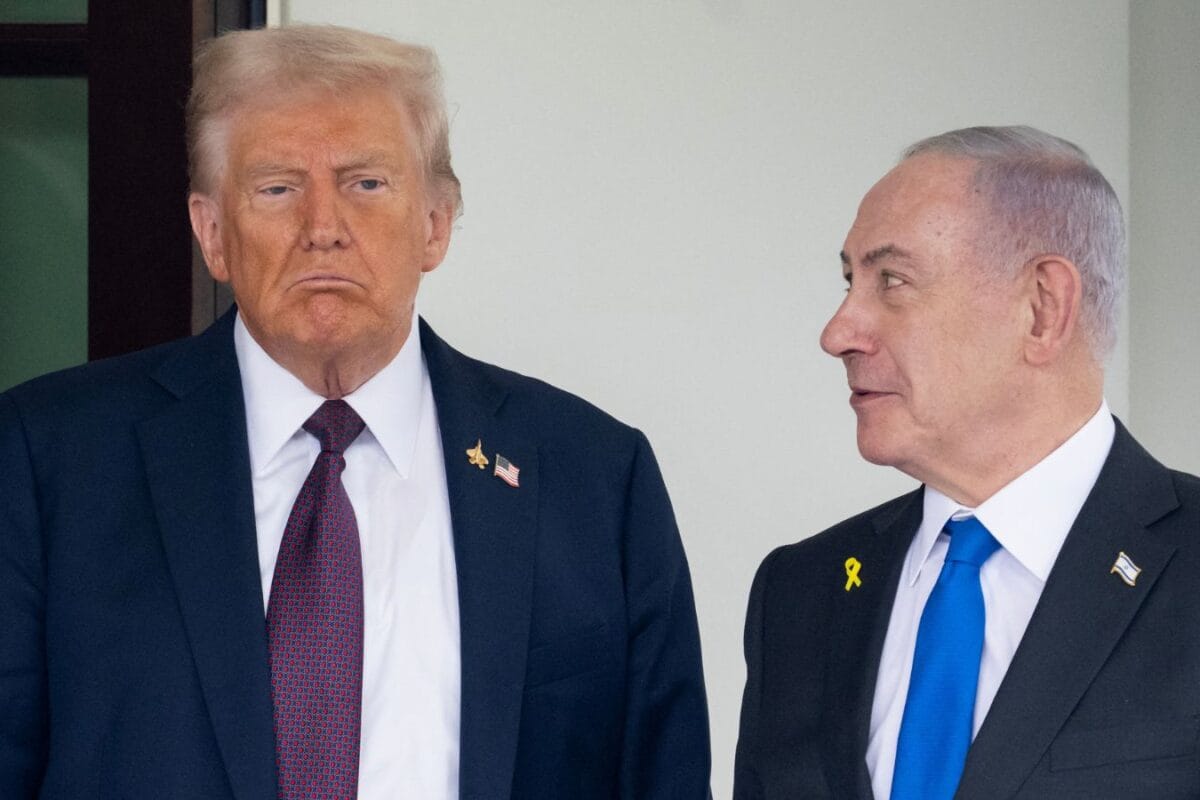
Trump, Netanyahu No Longer On Same Page? Why Today's Meeting Could Be A Turning Point For US-Iran War Published By, Last Updated: July 28, 2026, 21:10 IST Netanyahu's visit comes days after Trump paused US military strikes on Iran and announced that his envoys were once again attempting to negotiate an agreement with Tehran. US President Donald Trump with Israeli Prime Minister Benjamin Netanyahu. Israeli Prime Minister Benjamin Netanyahu arrived at the White House on Tuesday for his eighth Oval Office meeting with US President Donald Trump since Trump returned to office. However, this visit comes at a time when Netanyahu’s influence in Washington appears to have weakened significantly compared with his previous meetings. Three hours before his scheduled Oval Office meeting with Israeli Prime Minister Benjamin Netanyahu, US President Donald Trump, in an interview with Fox News, publicly criticised the Israeli leader over remarks about Iran’s Pickaxe Mountain. Trump claimed Netanyahu was raising the issue to persuade him to remain involved in the war. The US president said Netanyahu should have discussed the matter privately instead of making it public, adding that he should not have chosen to “tell the world" about it. Five months ago, on February 28, Trump and Netanyahu were closely aligned as they pursued military action together. Now, their relationship appears to have become more complicated, with differences over Iran, regional strategy and broader policy decisions. Trump-Bibi differences over Iran Netanyahu’s visit comes days after Trump paused US military strikes on Iran and announced that his envoys were once again attempting to negotiate an agreement with Tehran.
Last Friday, Netanyahu held lengthy discussions with his cabinet about the war while having limited information about Trump’s plans. The lack of coordination prompted Israel and the Israel Defense Forces (IDF) to prepare for the possibility that the United States could resume large-scale combat operations. It was only late on Friday night that Israeli officials learnt Trump had decided not to proceed with further strikes. Trump told that he is still considering launching another major military campaign if negotiations with Iran fail. Such an operation could involve joint military action with Israel, similar to Operation Epic Fury during the early stages of the conflict. The outcome of Tuesday’s meeting could shape Trump’s next steps on Iran, including the level of coordination between Washington and Jerusalem. At the same time, Netanyahu is aware of criticism that he drew Trump into the conflict and does not want to reinforce that perception. During the early months of the war, Trump and Netanyahu reportedly spoke almost every day to coordinate policy. In recent weeks, however, those conversations have become far less frequent. According to sources, Netanyahu has increasingly relied on US Secretary of State Marco Rubio for updates on Trump’s thinking. The Israeli leader also faced difficulty securing Tuesday’s White House meeting after failing to obtain an appointment last week. Bibi’s influence continues to decline Since the April 8 ceasefire, Netanyahu’s ability to influence Trump’s decisions on the war has steadily diminished. Despite Netanyahu’s reservations, Trump signed a memorandum of understanding with Iran in mid-June. According to US and Israeli officials, Netanyahu unsuccessfully urged Trump to continue military operations to further weaken Iran’s military capabilities.
 The BriefWire