No Opposition, No Contest: Why PoK Elections Are Seen As A Pakistan-Scripted Exercise
No Opposition, No Contest: Why PoK Elections Are Seen As A Pakistan-Scripted Exercise Published By, Last Updated: July 28, 2026, 21:02 IST With Imran Khan's
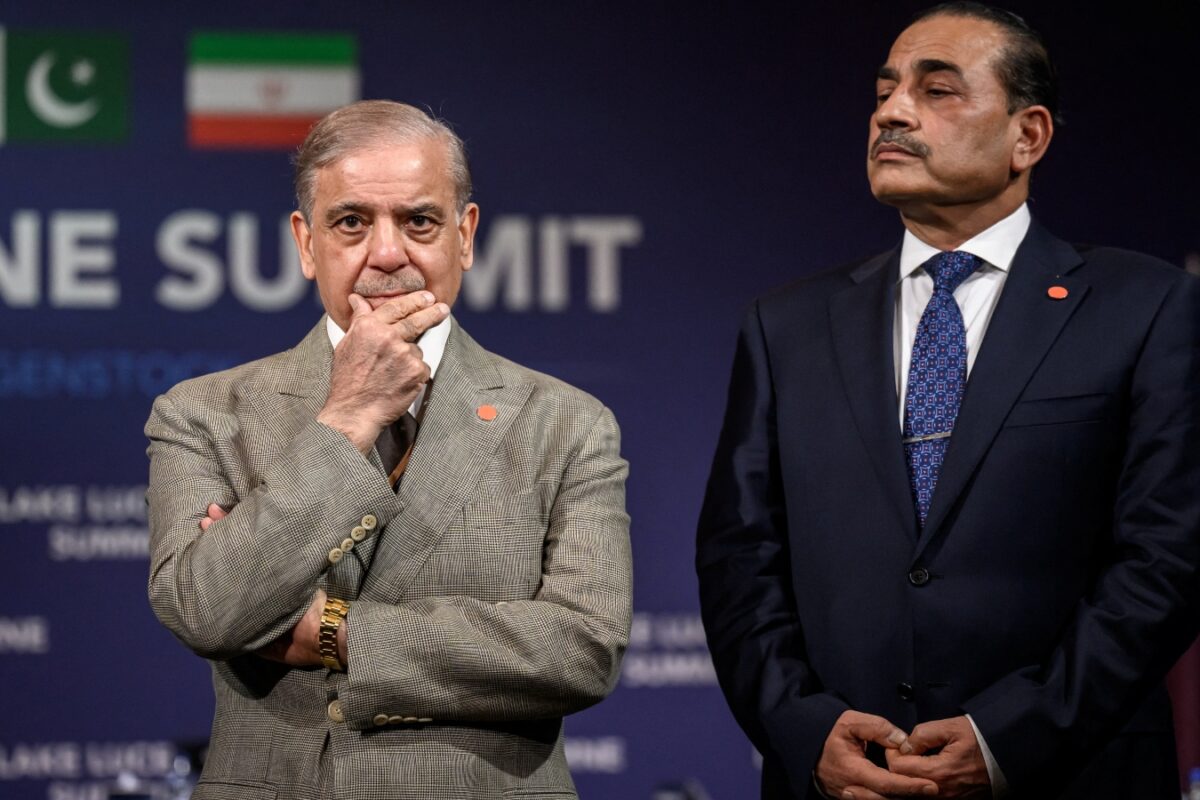
No Opposition, No Contest: Why PoK Elections Are Seen As A Pakistan-Scripted Exercise Published By, Last Updated: July 28, 2026, 21:02 IST With Imran Khan's PTI boycotting the polls, rigging claims, deadly clashes and a ban on protesters, critics say PoK elections offer little real political choice. Pakistan's Prime Minister Shehbaz Sharif with Pakistan's Chief of Army Staff Field Marshal Asim Munir. (Image: REUTERS File) Elections to the so-called legislative assembly in Pakistan-occupied Kashmir (PoK) are being held in three phases between July 27 and August 10, but the exercise is already facing questions over its credibility amid allegations of rigging, political boycotts, violence and a crackdown on dissent. While Pakistan has projected the polls as a democratic process, critics argue that the absence of a major opposition force, allegations of electoral manipulation and restrictions on protest groups have turned the elections into a largely one-sided contest. No Major Opposition In Fray The most striking feature of the ongoing elections is the absence of former Pakistan Prime Minister Imran Khan’s Pakistan Tehreek-i-Insaf (PTI), which has boycotted the polls. As a result, the contest has effectively been reduced to Pakistan’s two main coalition partners at the federal level—the Pakistan Muslim League-Nawaz (PML-N) led by Nawaz Sharif and Prime Minister Shehbaz Sharif, and the Pakistan Peoples Party (PPP) led by the Bhutto family. According to preliminary results released by the PoK Election Commission, the PML-N secured nine seats out of 13 in the first phase, while the PPP won four constituencies.
With the principal opposition absent from the electoral battlefield, voters have been left with limited political alternatives, raising concerns over the competitiveness of the process. Rigging Allegations Surface Even before the completion of voting, allegations of electoral manipulation have emerged. Pakistan Peoples Party (PPP) Chairman Bilawal Bhutto Zardari accused Shehbaz Sharif’s party of attempting to manipulate the electoral outcome. He claimed that the first phase of polling was “neither free nor fair" and vowed that the PPP would protect the public mandate. PPP leader Nayyar Bokhari accused the PML-N of benefiting from rigging in at least seven constituencies. “Our winning seats have been gifted to the PML-N," Bokhari alleged, demanding that results not be formally announced until investigations are completed. The allegations have been rejected by Rana Sanaullah, adviser to Prime Minister Shehbaz Sharif, who insisted that the elections were conducted in a largely “peaceful and fair" manner. However, the accusations have further fuelled concerns among critics who view the electoral process as being heavily influenced by Pakistan’s political establishment. The elections have also been overshadowed by violence. A PPP worker was killed and two others injured in clashes on polling day, reportedly following an exchange of fire involving a local PML-N leader. The unrest is part of a broader cycle of violence that has gripped the region over the past two months. JAAC Protests and Deadly Clashes At the centre of the unrest is the Joint Awami Action Committee (JAAC), a political movement that has led protests against the electoral system in PoK.
 The BriefWire