CJP, Centre At Odds Amid SC's Red Line On Protest FIRs: Is There A Way Out? 3 Options Explained
CJP, Centre At Odds Amid SC's Red Line On Protest FIRs: Is There A Way Out? 3 Options Explained Published By, Last Updated: July 28
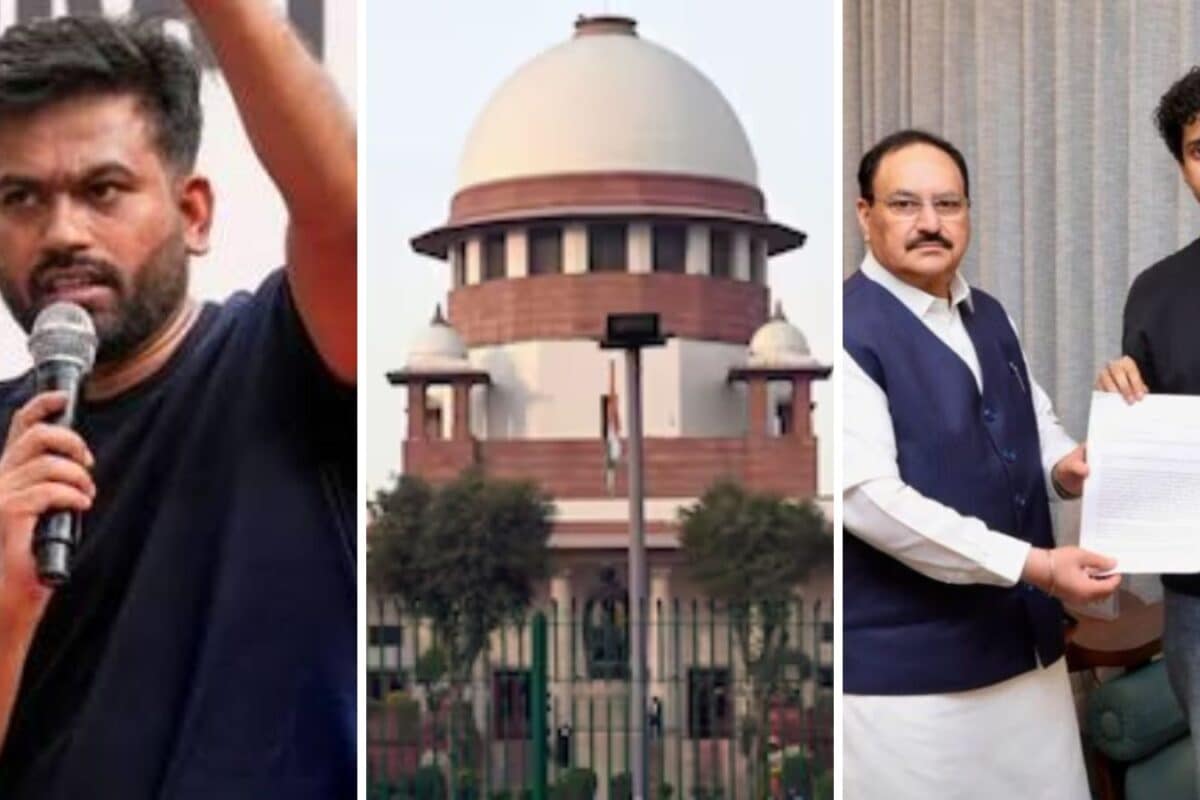
CJP, Centre At Odds Amid SC's Red Line On Protest FIRs: Is There A Way Out? 3 Options Explained Published By, Last Updated: July 28, 2026, 18:15 IST The Supreme Court stated that the States may proceed with the investigation in the FIRs registered. CJP, SC & Centre, where do they stand? Is there a way out? News18 explains Rapid Read A three-judge Bench led by Chief Justice of India () Surya Kant intervened with crucial interim orders. The legal and political standoff over the First Information Reports filed against student protesters who took part in the Cockroach Janta Party’s (CJP) agitation escalated dramatically on Tuesday as the Supreme Court (SC) said that the FIRs that were already registered can be probed. The Centre, meanwhile, showed its willingness to keep its promise, with multiple states withdrawing FIRs against CJP protesters. The demonstrations were sparked by alleged NEET-UG 2026 examination irregularities and led to a severe police crackdown on July 20, 2026. CJP, SC and Centre, where do they stand on the issue? Is there a way out? News18 explains. WHERE THE SC STANDS A three-judge Bench led by Chief Justice of India () Surya Kant intervened with crucial interim orders. The Supreme Court stated that the States may proceed with the investigation in the FIRs registered. However, it halted all coercive action against protesters across all states. This applies strictly to individuals without a criminal background. The Court directed all states to immediately release children under 18 who were arrested or detained during the agitation. The SC explicitly stated that the right to peaceful protest is a guaranteed constitutional right under Article 19. A “mere agitation" cannot justify excessive police force or immediate lathi charges. The Bench is considering setting up a Special Investigation Team (SIT) or high-powered committee to look into police excesses, emphasizing that accountability must be fixed “up the ladder".
The police must preserve all CCTV, drone, and body-camera footage and ensure that the digital or personal data of protesters is not leaked to the public domain. WHERE THE COCKROACH JANTA PARTY (CJP) STANDS The CJP initially suspended its 36-day agitation on July 25 following the resignation of Education Minister Dharmendra Pradhan, but they have since renewed their agitation warnings. CJP spokesperson Saurav Das stated that the Supreme Court’s conditions are “unacceptable". The CJP expects a complete, unconditional withdrawal of all FIRs against both protesters and organizers, rather than a selective case-by-case investigation. Backed by senior legal figures like Kapil Sibal, the CJP has given the Centre an ultimatum to deliver a formal written agreement quashing all cases nationwide, failing which they will launch a massive fresh wave of sit-in protests. “If the Supreme Court is acting in the interest of the youth, we welcome such orders or judgments. We, on the other hand, have been active on the ground for a long time, and we have certain demands that must be met; that is the most important thing. One of our key demands was that all FIRs against protesters be withdrawn and that the government refrain from taking any retaliatory action against any protester in the future. We expected a written guarantee regarding this to be issued by today (by Tuesday), and for all those detained or arrested to be released," said Das. WHERE THE GOVERNMENT STANDS The Central Government is caught between de-escalating the student unrest and maintaining law-enforcement morale. Top government representatives, including Union Minister JP Nadda, publicly stated that the government has agreed to withdraw existing FIRs and will not register fresh cases linked to the peaceful agitation. States like Bihar and Assam have already shared initial notifications to that effect.
 The BriefWire