Arpita Mehta's ICW debut collection is built for the whole bridal gang, not just the bride
Arpita Mehta is known for her play with colour, mirror work and contemporary silhouettes. On Monday evening at Hyundai India Couture Week, she took all
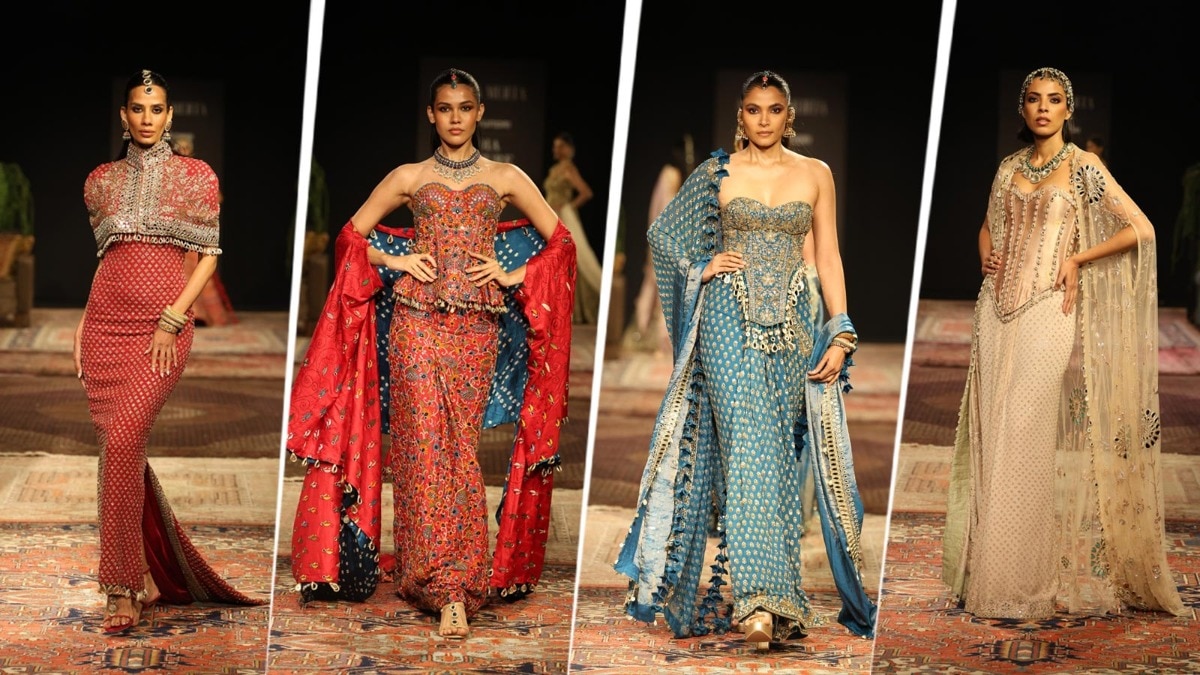
Arpita Mehta is known for her play with colour, mirror work and contemporary silhouettes. On Monday evening at Hyundai India Couture Week, she took all of that and gave a new language to the ever-evolving landscape of ceremonial dressing. The collection was called Ceremonial, and it was, fittingly, her most personal work yet. The premise was simple but not small: heritage textiles aren't relics. They're living crafts that keep changing shape with the women who wear them. So Ceremonial pulled from Bandhani, Banarasi and tissue — fabrics Mehta has worked with for years — and, for the first time in her couture vocabulary, brought in Kantha. The idea was to let each textile stay exactly as authentic as it's always been, just filtered through her own design language. You can see the prominent use of Bandhani in these pieces. The headgear, the mirrors, and why it all had to feel like jewellery Read Full Story If one thing stopped people mid-scroll from this show, it was the headgear – dripping mirror and pearls, resembling something like a chainmail headgear. The headgears dripping mirrors and pearls. Mehta says the idea came from wanting the collection to have "that little extra edge" — something that elevates a bridal look the way a serious piece of jewellery would. "I wanted to re-mirror," she explains. "That's why you see all the headgears had mirrors and pearls.
It is almost like an extension of the outfit when they are getting married. We wanted it to be like a jewellery piece that ties in everything,” she tells India Today. That instinct, treating the headgear as jewellery rather than as a runway prop, runs through the whole show's logic. Nothing was designed to be looked at once and never touched again. Not just for the bride The word "ceremonial" is doing a lot of work in the collection's title, and Mehta was clear that it wasn't meant to describe one woman in one red lehenga. It was built for everyone standing next to her. "It's for the brides, the bridesmaids, it's for the bridal gang," she says. "It's for everyone who is connected to the bride — the sister, best friend or niece, whoever it is." The goal, as she puts it, was to move past the idea of a single, predictable bridal red and instead offer "a mix of everything that people wear" across a wedding — which is really the whole point of Ceremonial: sculpted lehengas, fluid sarees, corseted blouses and contemporary drapes that could believably show up at a sangeet, a reception, or a Sunday ceremony that doesn't have a name yet. Outfits are pretty wearable and can easily be part of a wedding trousseau. Even bridesmaids can take a pick from the collection.
 The BriefWire