More than 4,000 Kenyan students came together to plant mangroves in a bid to set a Guinness World Record
Image: Kenyans.co.ke How an attempt to restore Kenya's coastal forests became a bid to set a new global record Why mangrove restoration matters Part of
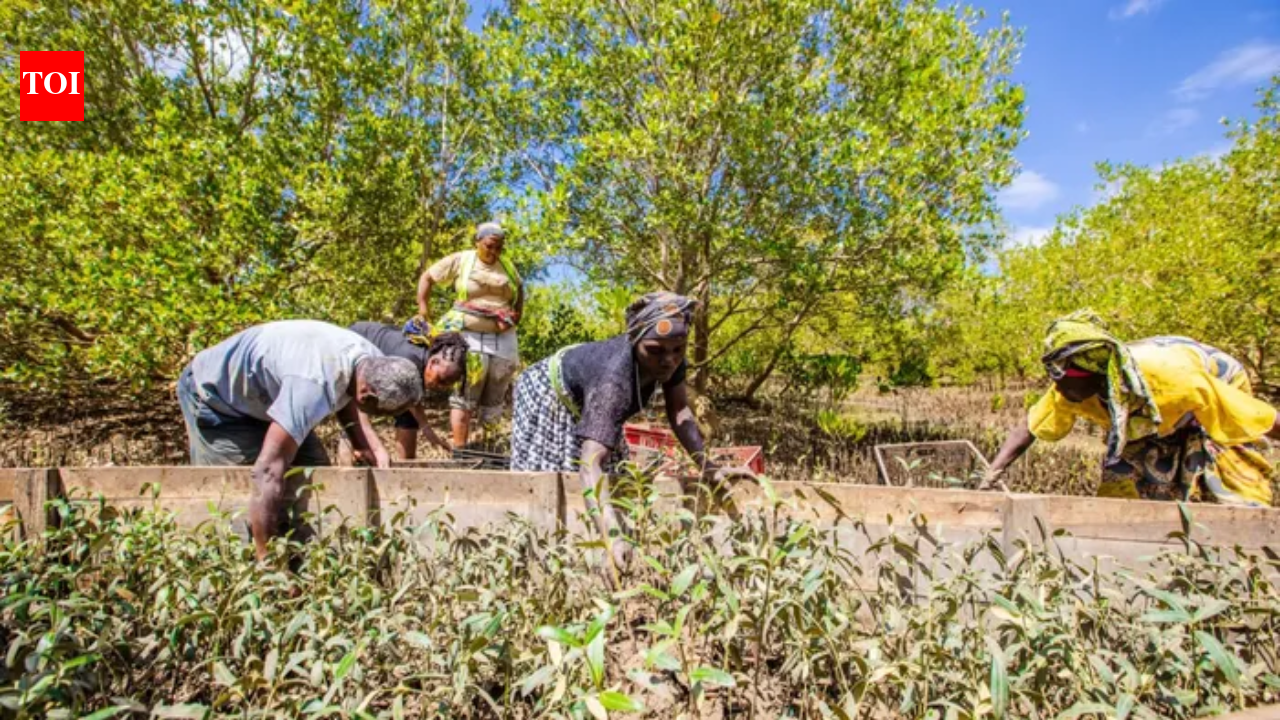
Image: Kenyans.co.ke How an attempt to restore Kenya's coastal forests became a bid to set a new global record Why mangrove restoration matters Part of Kenya's wider reforestation efforts Thousands of students and scouts from Kenya's coastal region took part in an ambitious attempt to set a new Guinness World Record for the largest number of people planting mangrove trees simultaneously. The event, held at the Jomvu Kuu Mangrove Site in Mombasa County to mark World Mangrove Day, brought together young volunteers, conservation groups and government agencies in a large-scale effort to restore one of the country's most important coastal ecosystems. While organisers hope the attempt will earn international recognition, the primary objective was to promote mangrove conservation and inspire young people to take an active role in protecting the environment.The Guinness World Record attempt was organised by the Kenya Forest Service (KFS) in collaboration with the Kenya Scouts Association (KSA).
According to local broadcaster Diana Imanene from Kenyans, more than 4,000 participants gathered for the event, with organisers aiming to break the existing world record for simultaneous mangrove tree planting.In order to comply with Guinness World Records regulations, KFS also trained 50 forest rangers to be stewards.Each steward would have been responsible for ensuring that 100 people planting the mangroves were doing so according to the Guinness World Records’ standards. This included making sure that each plant was placed at the correct distance and in the right place. The event was further documented through photography, videos, and witness testimonies.Though the world record-breaking was the main event, the message that mangrove reforestation is the larger objective should be remembered. Mangroves help to prevent coastline erosion and minimise the effect of storm surges, as well as serve as habitats for marine life like fish and crabs.These forests are also recognised as one of the world's most effective natural carbon sinks.
By storing large quantities of carbon in both their trees and waterlogged soils, mangroves play an important role in helping combat climate change while supporting biodiversity and local livelihoods.The initiative forms part of Kenya's broader environmental campaign to increase tree cover through the government's 15 Billion Tree Growing Programme. Forestry officials said restoring mangrove ecosystems is a key element of the country's climate resilience strategy, particularly along vulnerable sections of the Indian Ocean coastline.Organisers also hope the event will encourage more schools and youth organisations to participate
 The BriefWire