Data Privacy, Student Relief, Police Accountability: Top 5 Takeaways From SC Order On NEET Protests
Data Privacy, Student Relief, Police Accountability: Top 5 Takeaways From SC Order On NEET Protests Written By, Last Updated: July 28, 2026, 13:21 IST Protests
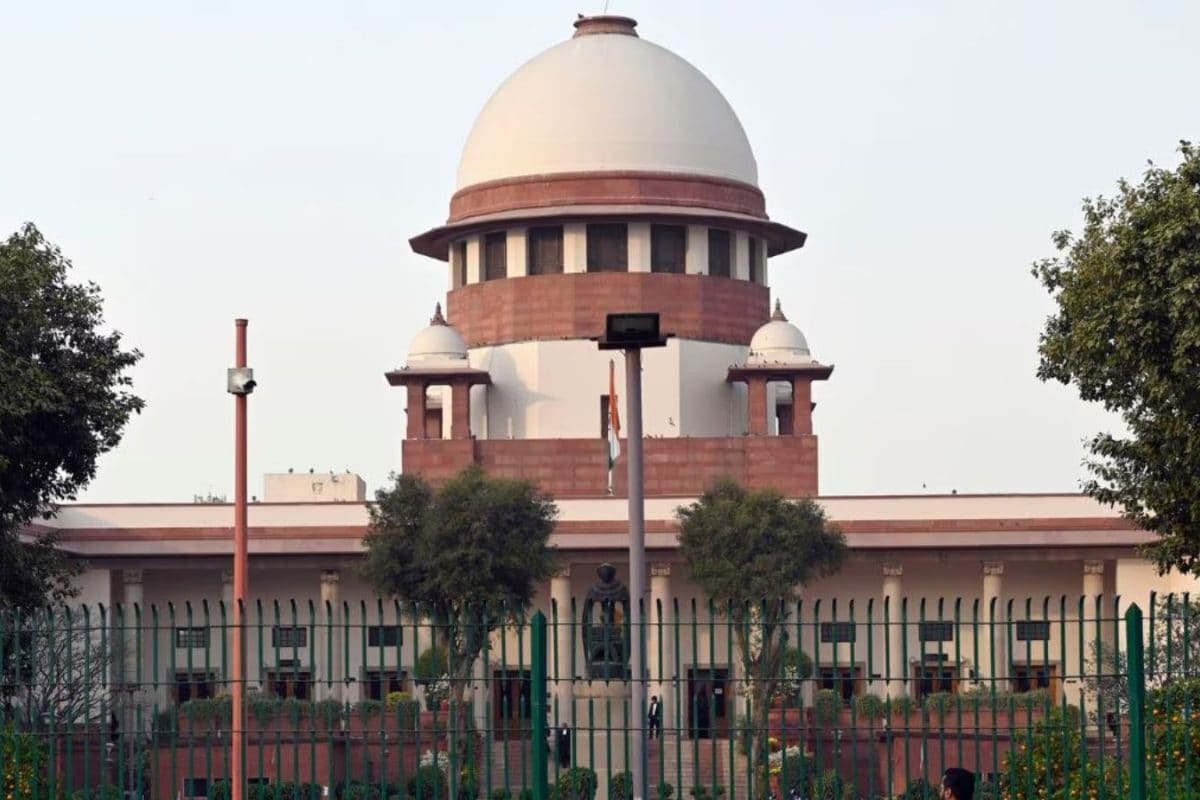
Data Privacy, Student Relief, Police Accountability: Top 5 Takeaways From SC Order On NEET Protests Written By, Last Updated: July 28, 2026, 13:21 IST Protests in the national capital turned violent on July 20 when a crowd, led by CJP, tried to break barricades and march towards Parliament from Jantar Mantar Rapid Read Supreme Court of India | PTI Image The Supreme Court, while hearing petitions against alleged police excesses during the crackdown on student protesters pan-India on Tuesday, called for an independent investigation to fix accountability. Headed by Chief Justice of India Surya Kant, the Bench sought responses from the Centre and the governments of Delhi, Maharashtra, Bihar, Assam, Kerala and Uttar Pradesh over the police crackdown on protesters demonstrating under the Cockroach Janta Party (CJP) banner against competitive exam paper leaks. “There has to be a completely independent probe. Whoever has committed excess, law will take its course. Probe is meaningless if no responsibility is fixed," the court said, noting that the cops did not follow the SoP adopted earlier during the student protests.
Protests in the national capital turned violent on July 20 when a crowd, led by CJP, tried to break barricades and march towards Parliament from Jantar Mantar when the session was in progress. Police fired tear gas and used batons to disperse the protest, triggering clashes. Tuesday’s observation comes a day after the three-judge bench said police excesses cannot be justified merely because an agitation is held. “Right to protest, peaceful protest, lawful protest, is absolutely guaranteed under the constitutional scheme. So long as there is a peaceful allegation, there can’t be excesses." Here are the top five takeaways from the Supreme Court’s Tuesday order 1. The Supreme Court ordered that all digital data of protesters must be preserved. “Personal data should not be brought to public domain. State or police will not publish any personal data collected during protests," the court said. 2. The Supreme Court ordered states to release all students below the age of 18 and those without any criminal antecedents who were arrested or detained during the nationwide protests over exam paper leaks.
It also ordered that no coercive action be taken in connection with any FIRs lodged against the students involved in the protests. The protection, however, will not extend to those with criminal background. 3. The court noted that allegations of excessive force, including the use of pellet guns, rubber bullets, and nail-embedded lathis, prima facie make out a case for a comprehensive inquiry that also addresses attacks on on-duty police personnel. 4. On Monday, the apex court had noted that the right to peaceful protest is an essential constitutional guarantee that cannot be denied, while emphasising that injury to any individual, whether a student or a police officer, is of equal concern. 5. The next hearing in the case will be on Monday, August 3. Till then, the Supreme Court has sought answers from both the Centre and states. On the basis of these reports, it will be decided whether there should be a high-powered committee to probe the entire case.
 The BriefWire