New York spent 8 years planting one million trees. Now the city is aiming for 30% tree cover by 2040 to transform its fight against rising heat
PC: AI Generated How New York planted one million trees to reshape its urban landscape Why planting trees does more than add green spaces How
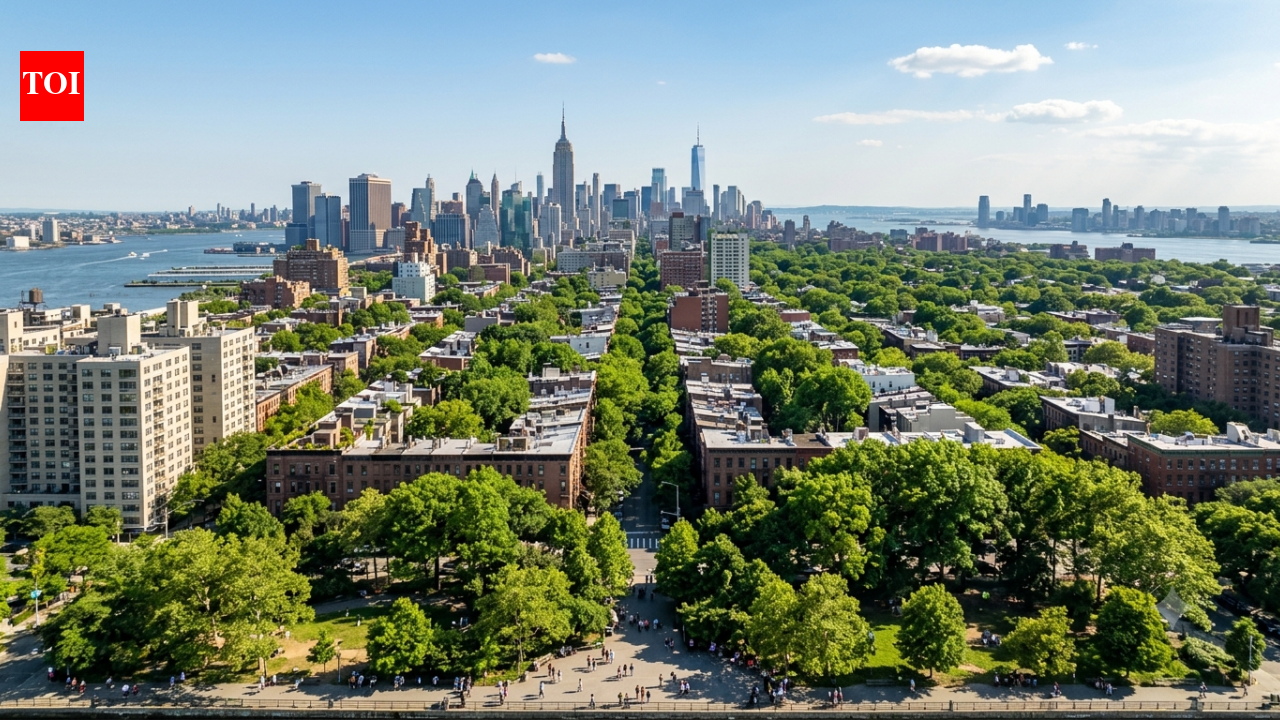
PC: AI Generated How New York planted one million trees to reshape its urban landscape Why planting trees does more than add green spaces How tree cover helps reduce heat in vulnerable communities The growing economic and environmental value of city trees How New York is growing its tree canopy beyond one million trees For decades, New York has been associated with skyscrapers, traffic and tightly packed neighbourhoods rather than large-scale environmental restoration. Yet across the city's streets, parks and residential areas, an enormous change has been taking place almost unnoticed. Trees planted years ago are now reaching maturity, casting wider shade over pavements, cooling busy roads and gradually altering the character of many communities. As hotter summers become more common, the long-term value of those earlier planting efforts is becoming easier to measure.New York's attention has now shifted from reaching a numerical milestone to expanding tree cover across the city in a more balanced way. As reported by NYC Mayor's Office of Climate & Environmental Justice, officials have set a goal of increasing overall canopy coverage to roughly 30% by 2040, while continuing to prioritise neighbourhoods that experience the greatest exposure to extreme heat.In 2007, New York City launched MillionTreesNYC with a target that sounded unusually large even by the city's standards: planting one million trees across the five boroughs.The work extended well beyond parks.
New trees appeared beside streets, inside school grounds, around public housing developments, near hospitals and places of worship, and on many pieces of public land that previously had little vegetation.The campaign depended on far more than municipal workers. Community groups, volunteers and environmental organisations all became part of the effort, with the New York Restoration Project serving as one of the leading partners. Thousands of residents also took part by helping with planting events across their neighbourhoods. Reportedly, the millionth tree was planted in 2015, reaching the goal ahead of the original schedule.Planting trees was never simply about making neighbourhoods look greener. City planners viewed the expanding urban forest as infrastructure capable of providing practical environmental benefits for decades after each sapling entered the ground.As the trees matured, they began changing local conditions in small but measurable ways. Streets with larger canopies receive less direct sunlight, reducing the amount of heat absorbed by asphalt and concrete. At the same time, trees release moisture through their leaves, which helps cool the surrounding air naturally during warm weather.Heat does not affect every part of New York equally.
 The BriefWire