Plastic notes in India coming soon: Why?
The Indian government has approved the Reserve Bank of India's (RBI) proposal to introduce RBI polymer notes in the ₹10 and ₹20 denominations for field
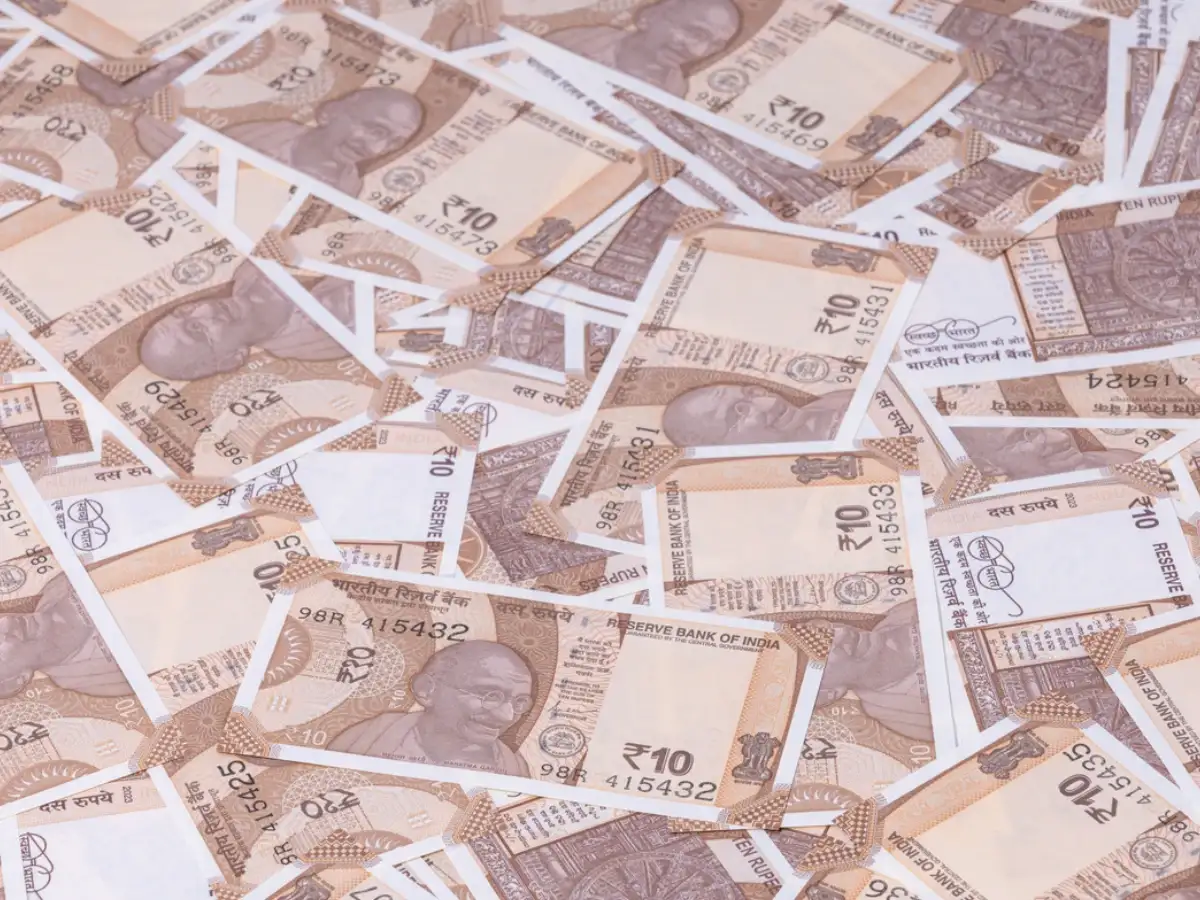
The Indian government has approved the Reserve Bank of India's (RBI) proposal to introduce RBI polymer notes in the ₹10 and ₹20 denominations for field trials, reviving a plan that was first announced more than a decade ago. At the same time, the Centre has made it clear that there is no proposal to replace existing paper-based Indian currency with RBI plastic notes.Also Read: Govt approves RBI's trials of ₹10, ₹20 polymer notesTwo billion pieces of ₹10 and ₹20 RBI plastic notesThe decision comes weeks after Bharatiya Reserve Bank Note Mudran Private Limited (BRBNMPL), an RBI subsidiary, floated a tender indicating that the central bank was preparing to move ahead with a fresh trial of RBI polymer notes, around 14 years after a similar proposal was announced but never materialised.Also Read: RBI steps ahead on plan for plastic rupee notesReplying to a question in the Lok Sabha on Monday, Minister of State for Finance Pankaj Chaudhary said the RBI, on the recommendation of its Central Board, had proposed introducing one billion pieces each of ₹10 and ₹20 RBI polymer notes for field trials. Regular issuance would follow if the trials are successful. He said the government has approved the proposal.According to the minister, the RBI has informed the government that international studies show RBI polymer notes have a much longer lifespan than conventional paper notes, making them significantly more durable.Will Indian plastic notes affect digital payments?On whether RBI plastic notes could affect digital payments, Chaudhary said the proposal is still at a preliminary stage and any impact can only be assessed after regular issuance begins. He added that physical banknotes and digital payment systems complement each other and both remain available to the public.The government also clarified that RBI polymer notes will circulate alongside existing paper-substrate Indian currency. It said there is no proposal to replace paper banknotes entirely with polymer-based notes.Why RBI plastic notes are back on the agendaThe renewed push follows a recent Expression of Interest (EOI) issued by BRBNMPL, which earlier in July invited competitive bids from manufacturers and suppliers of opacified polymer substrate with security features suitable for printing banknotes.The RBI subsidiary said the requirement mentioned in the EOI was only for the immediate need.
It added that if the field trials of RBI polymer notes are successful, it intends to procure larger quantities of polymer substrate across different denominations through future Requests for Proposal (RFPs) or subsequent tenders.What govt said about plastic currency notes?The latest move marks a revival of an idea earlier announced in 2012. According to a Press Information Bureau (PIB) release dated December 13, 2012, the RBI, in consultation with the Government of India, had considered various options, including printing banknotes on polymer substrate. At that time, a decision had been taken to introduce one billion pieces of ₹10 RBI polymer notes on a field trial basis in five cities.The PIB release had also clarified that the primary objective of introducing polymer or plastic notes was to increase the life of banknotes and not to combat counterfeiting.Even so, India, one of the world's five largest economies, is still evaluating RBI plastic notes nearly three decades after Australia introduced a complete series of polymer banknotes. Today, around 60 countries use polymer currency in some form.What are polymer notes and how are they different from Indian currency today?RBI polymer notes are printed on a non-fibrous and non-porous polymer substrate rather than conventional banknote paper.Current Indian currency is printed on paper made entirely from long cotton fibres obtained from cotton comber and linter. This means there is no direct link between paper-based banknotes and the cutting of trees.132675303The biggest reason for introducing RBI polymer notes is their longer lifespan, particularly for lower-denomination notes that change hands more frequently and wear out much faster.While a longer lifespan means fewer replacements, lower printing costs and reduced waste, it may also help curb counterfeit notes.Which countries use plastic notes?Countries including Australia, the United Kingdom and Canada already use polymer banknotes made from durable plastic films. These notes last much longer than conventional paper banknotes and are more resistant to wear and tear, helping reduce replacement costs over time.Australia became the first country to issue polymer banknotes in 1988.
 The BriefWire