RBI To Roll Out Rs 10, Rs 20 Polymer Notes? Govt Clears Field Trials, Says Paper Currency Will Continue
RBI To Roll Out Rs 10, Rs 20 Polymer Notes? Govt Clears Field Trials, Says Paper Currency Will Continue Published By, Last Updated: July 28
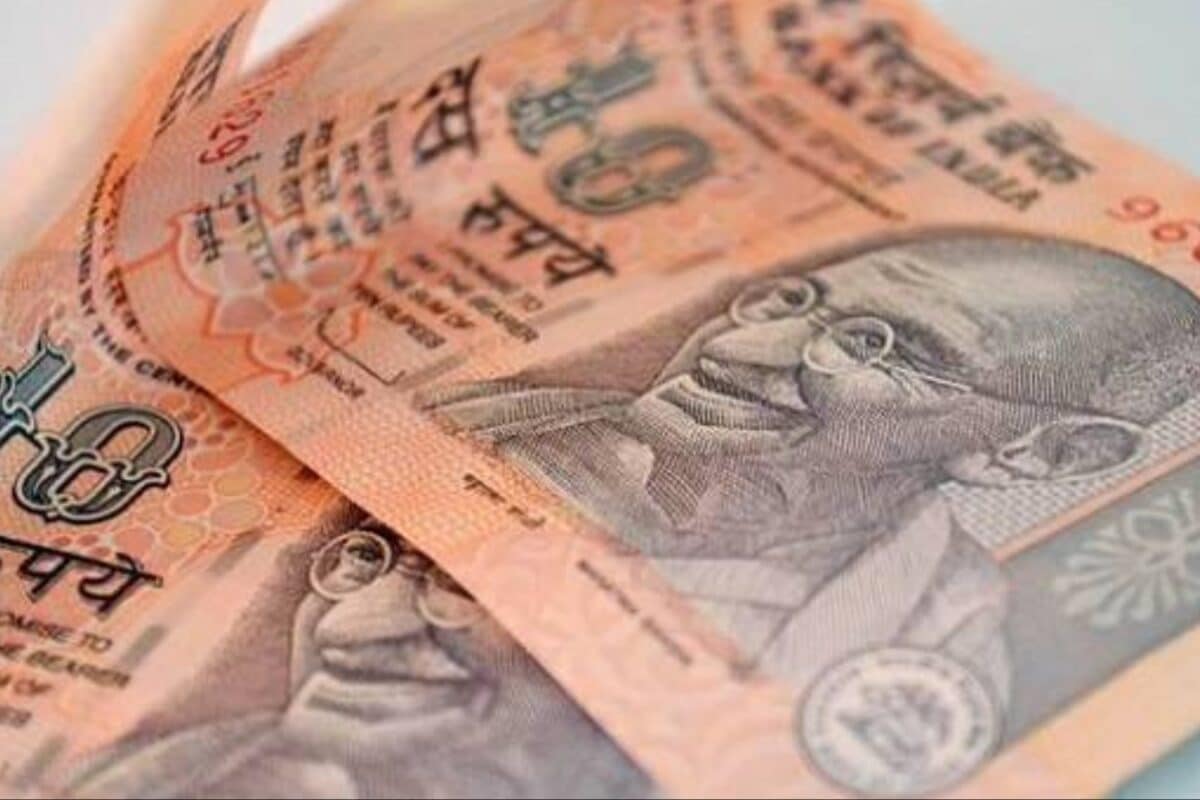
RBI To Roll Out Rs 10, Rs 20 Polymer Notes? Govt Clears Field Trials, Says Paper Currency Will Continue Published By, Last Updated: July 28, 2026, 10:25 IST The Centre has approved RBI's field trial of Rs 10 and Rs 20 polymer notes. The government clarified there is no plan to replace paper currency in India. RBI to conduct field trials of new Rs 10 and Rs 20 polymer currency notes after Centre's approval (File photo/PTI) The Centre has approved the Reserve Bank of India’s (RBI) proposal to conduct field trials of polymer currency notes in the Rs 10 and Rs 20 denominations, paving the way for India to test a more durable form of banknotes. However, the government has categorically clarified that there is no proposal to replace existing paper currency, with both types of banknotes expected to coexist if the trials prove successful. The approval was disclosed by Minister of State for Finance Pankaj Chaudhary in a written reply to a question in the Lok Sabha on Monday.
According to the government, the RBI will issue one billion polymer banknotes each in the Rs 10 and Rs 20 denominations as part of the nationwide field trials. The pilot project is aimed at evaluating how polymer notes perform under India’s climatic and circulation conditions before any decision is taken on a wider rollout. The Finance Ministry stressed that the field trial should not be viewed as the beginning of a transition away from paper currency. Instead, polymer notes are being tested as an additional option, and there is no proposal under consideration to replace paper substrate-based banknotes with polymer substrate-based notes. The RBI has maintained that polymer banknotes offer several advantages over conventional paper currency. Drawing on international experience, the central bank has said polymer notes are significantly more durable and remain in circulation for longer periods, making them particularly suitable for economies like India where cash transactions continue to be widespread. Lower-denomination currency notes, especially Rs 10 and Rs 20, are among the most frequently used and therefore deteriorate much faster than higher-value notes.
Their short lifespan requires repeated printing, transportation and destruction, adding to operational costs. Polymer notes, the RBI believes, could help reduce these replacement costs while also cutting down on waste generated from discarded paper notes. Apart from durability, polymer banknotes also provide better protection against counterfeiting. According to the RBI, the plastic substrate can accommodate advanced security features such as transparent see-through windows and specialised security threads, making fake notes more difficult to manufacture. The government also addressed questions over whether polymer currency could influence the country’s rapidly growing digital payment ecosystem. The RBI said it is too early to assess any such impact, as meaningful conclusions can only be drawn after the notes are introduced into regular circulation and sufficient data is available. At the same time, the central bank emphasised that physical cash and digital payment systems are not competing forms of payment but complementary ones. Both are expected to continue playing important roles in India’s payment ecosystem. “There is no proposal under consideration to replace paper substrate-based banknotes with polymer substrate-based banknotes," Pankaj Chaudhary said in his written reply, reiterating that the exercise is only a field trial to assess the feasibility and performance of polymer currency under Indian conditions.
 The BriefWire