Will Anti-Paper Leak Bill Be Passed Today? After Debate In Lok Sabha, Here's What Happens Next
Will Anti-Paper Leak Bill Be Passed Today? After Debate In Lok Sabha, Here's What Happens Next Published By, Last Updated: July 28, 2026, 10:26 IST
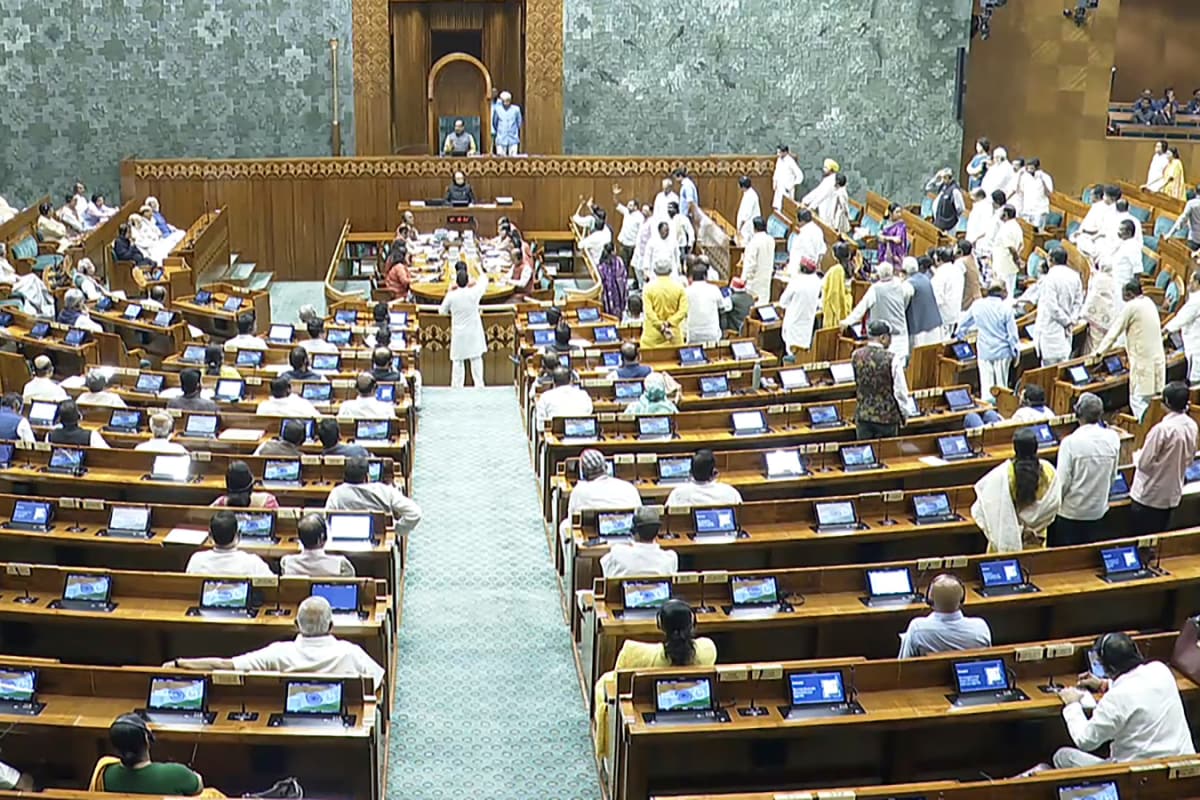
Will Anti-Paper Leak Bill Be Passed Today? After Debate In Lok Sabha, Here's What Happens Next Published By, Last Updated: July 28, 2026, 10:26 IST The government has introduced the Public Examinations (Prevention of Unfair Means) Amendment Bill, 2026 in Lok Sabha. An 8-10 hour discussion is expected if House runs normally Rapid Read Discussion on NEET Paper Leak Bill on July 28 The anti-paper leak legislation is set to become one of the most significant debates of the Monsoon Session of Parliament. The bill, which proposes much tougher punishment for exam fraud, comes after months of political confrontation over the NEET paper leak controversy and nationwide student protests. The government has introduced the Public Examinations (Prevention of Unfair Means) Amendment Bill, 2026 in the Lok Sabha. It seeks to strengthen the 2024 law that was enacted to curb paper leaks and other unfair practices in public examinations conducted by agencies such as the UPSC, SSC, Railways, banking recruitment bodies and the Testing Agency (NTA). The proposed amendments come in the backdrop of the NEET paper leak row, protests by students, Education Minister Dharmendra Pradhan’s resignation and Opposition attacks on the Centre over the credibility of public examinations. Parliamentary Affairs Minister Kiren Rijiju has appealed to all parties to participate in the debate, while the Opposition has argued that stricter punishment alone may not be enough to prevent leaks. An 8-10 hour discussion is expected if proceedings run normally. What Are The Big Changes Proposed To The Anti-Paper Leak Bill? The Bill substantially increases penalties and creates a faster investigation and trial framework.
Under the Bill, individuals involved in paper leaks or other unfair examination practices could face five to ten years of imprisonment and a fine of up to Rs 50 lakh. For organised paper leak syndicates, the penalties are even harsher, with a minimum jail term of seven years and fines that may extend to Rs 10 crore. The legislation also seeks to speed up the criminal justice process by requiring investigations to be completed within two months, while trials should be concluded within three months of the filing of the chargesheet. To ensure faster adjudication, states and Union Territories may designate special fast-track courts for such cases, and the Centre will have the power to constitute a Special Task Force to investigate large or organised examination frauds. The Bill further identifies multiple forms of exam-related fraud, including question paper leaks, OMR sheet tampering, fake websites, and fake admit cards, bringing them within a stricter legal framework. Is This A New Law? India already has the Public Examinations (Prevention of Unfair Means) Act, 2024. That law was introduced after earlier paper leak controversies. The 2026 Bill is an amendment Bill, which means Parliament is being asked to modify and strengthen an existing law rather than create a completely new statute. What Will Happen In Lok Sabha Today? A Bill, to be passed, has to go through several stages. Stage 1 is the introduction of the bill, called the First Reading. The minister formally introduces the Bill. This has already happened on Monday, July 27. Stage 2 is a general discussion (Second Reading) on the bill.
 The BriefWire