Houthis, Red Sea And Oil: How The US-Iran War Opened A New Front Against Saudi Arabia
Houthis, Red Sea And Oil: How The US-Iran War Opened A New Front Against Saudi Arabia Published By, Last Updated: July 27, 2026, 21:04 IST
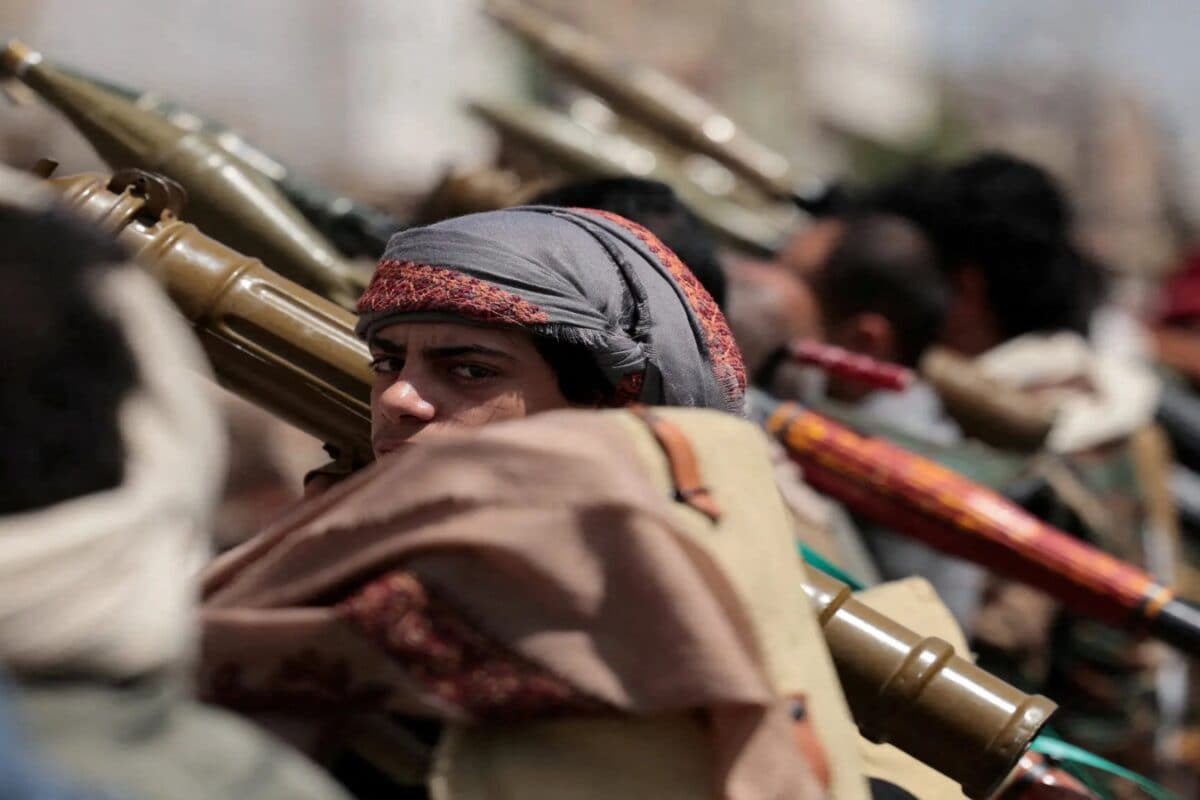
Houthis, Red Sea And Oil: How The US-Iran War Opened A New Front Against Saudi Arabia Published By, Last Updated: July 27, 2026, 21:04 IST Over the past week, the Houthis have launched missiles and drones at Saudi Arabia and targeted ships in the Red Sea, disrupting global energy markets. A Houthi follower in Sanaa in April. With Iranian support, the Houthis started a civil war and overran Sanaa in 2014, routing the internationally recognized government. (Photo: Reuters) A fragile truce that had held in Yemen for more than four years is rapidly unravelling, with the Iran-backed Houthi militia and Saudi Arabia moving closer to another full-scale conflict. The latest escalation follows the US war with Iran, which has reignited tensions between the two sides after years of relative calm. While Saudi Arabia has shown little appetite for another military confrontation, the Houthis appear determined to increase pressure on the kingdom to secure political and economic concessions inside Yemen, according to a New York Times ground report. Truce gives way to renewed tensions The conflict in Yemen had largely remained frozen since a truce was declared in 2022 after years of fighting between a Saudi-led military coalition and the Houthis. The war had pushed Yemen to the brink of famine and left hundreds of thousands dead from violence, hunger and disease, stated the NYT report. Although both sides had paused large-scale fighting, negotiations for a lasting peace gradually stalled. Saudi officials hoped the uneasy calm would continue, but the Houthis became increasingly frustrated over the lack of progress. According to officials and diplomats familiar with the militia quoted by the NYT report, the Houthis believe they have much to gain from renewed confrontation, including access to Yemen’s oil revenue and greater political authority.
Researchers studying the group say the Houthis are acting not only in support of Iran but also to force Saudi Arabia and the international community to make concessions. “The Houthis have one solution for every problem in the world, which is go to war," said Farea al-Muslimi, a Yemen-focused fellow at Chatham House. Missile attacks raise fears of wider war Over the past week, the Houthis have launched missiles and drones at Saudi Arabia and targeted ships in the Red Sea, disrupting global energy markets. In response, the Saudi-led coalition has carried out airstrikes in Houthi-controlled territory for the first time in years. “There is a real concern that the internal Yemeni war could reignite," said April Alley, a senior fellow at the Washington Institute who previously worked on Yemen’s peace process at the United Nations. The account is based on interviews with Yemeni officials, current and former Western diplomats involved in Yemen’s peace process and regional analysts, most of whom spoke anonymously because of the sensitivity of ongoing political negotiations. Peace efforts collapsed after Gaza war The Houthis began as a small group of Shiite Muslim rebels in northern Yemen before capturing Sanaa in 2014 with Iranian support and overthrowing the internationally recognised government. Saudi Arabia responded by leading a military coalition against the group, but the campaign became a lengthy and costly conflict. Under international pressure over Yemen’s humanitarian crisis, the kingdom later reduced its military involvement. By 2022, the Houthis had established de facto control over northern Yemen, while the internationally recognised government retained nominal authority in the south with Saudi financial and military backing.
 The BriefWire